20 Must See Tourist Attractions in Lisbon
There are plenty of lists about Lisbon, but once you compare official guides with major travel sites, the pattern repeats itself: the monuments of Belém, the historic heart of the city, the riverside front and a handful of stronger cultural landmarks always come up as essential. That is why this selection does not try to list everything. It makes a choice: these are the 20 tourist attractions most worth seeing on a first trip to Lisbon, or on a second trip taken with better judgment.
The historic heart of Lisbon
1. São Jorge Castle
If you want to understand Lisbon from above, start here. São Jorge Castle, built in the mid eleventh century, still holds towers, walls and one of the city’s most striking views over Lisbon and the Tagus. It is not just a beautiful castle. It is one of the places that best explains Lisbon’s relationship with the hill and the river.
2. Alfama
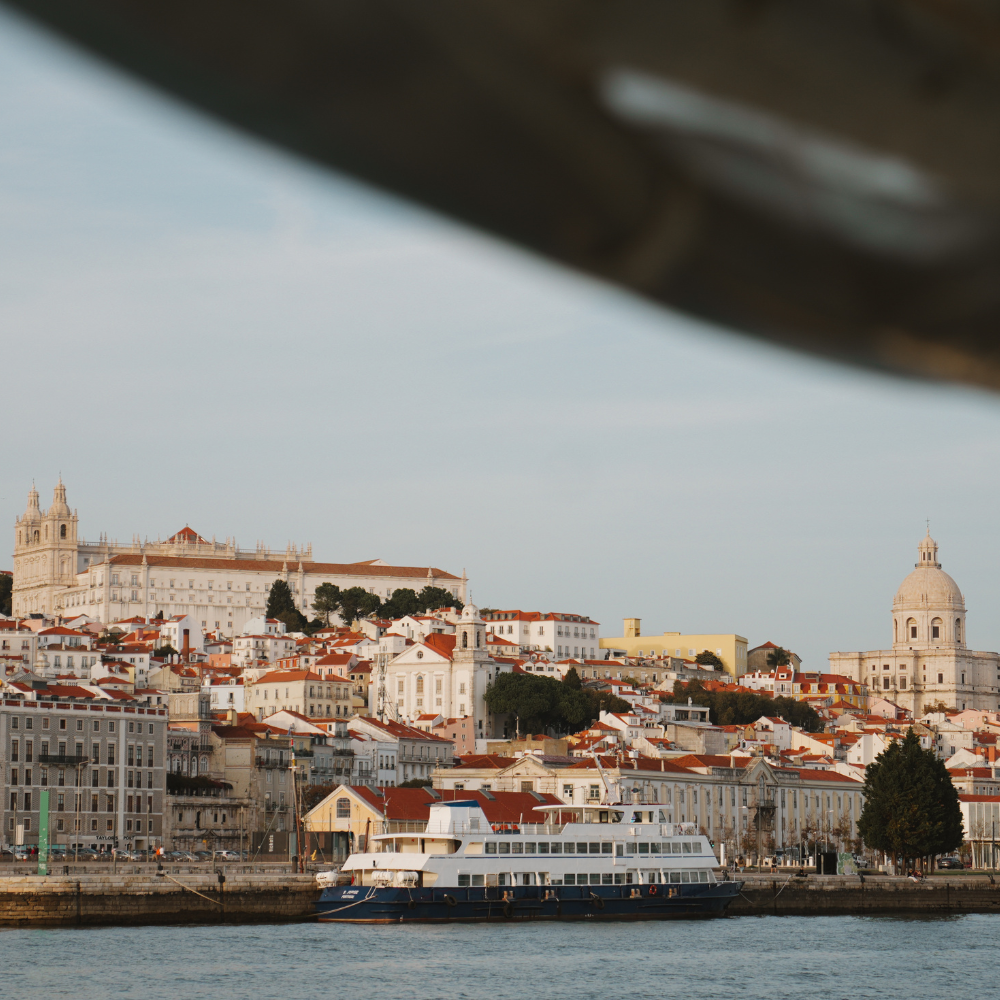
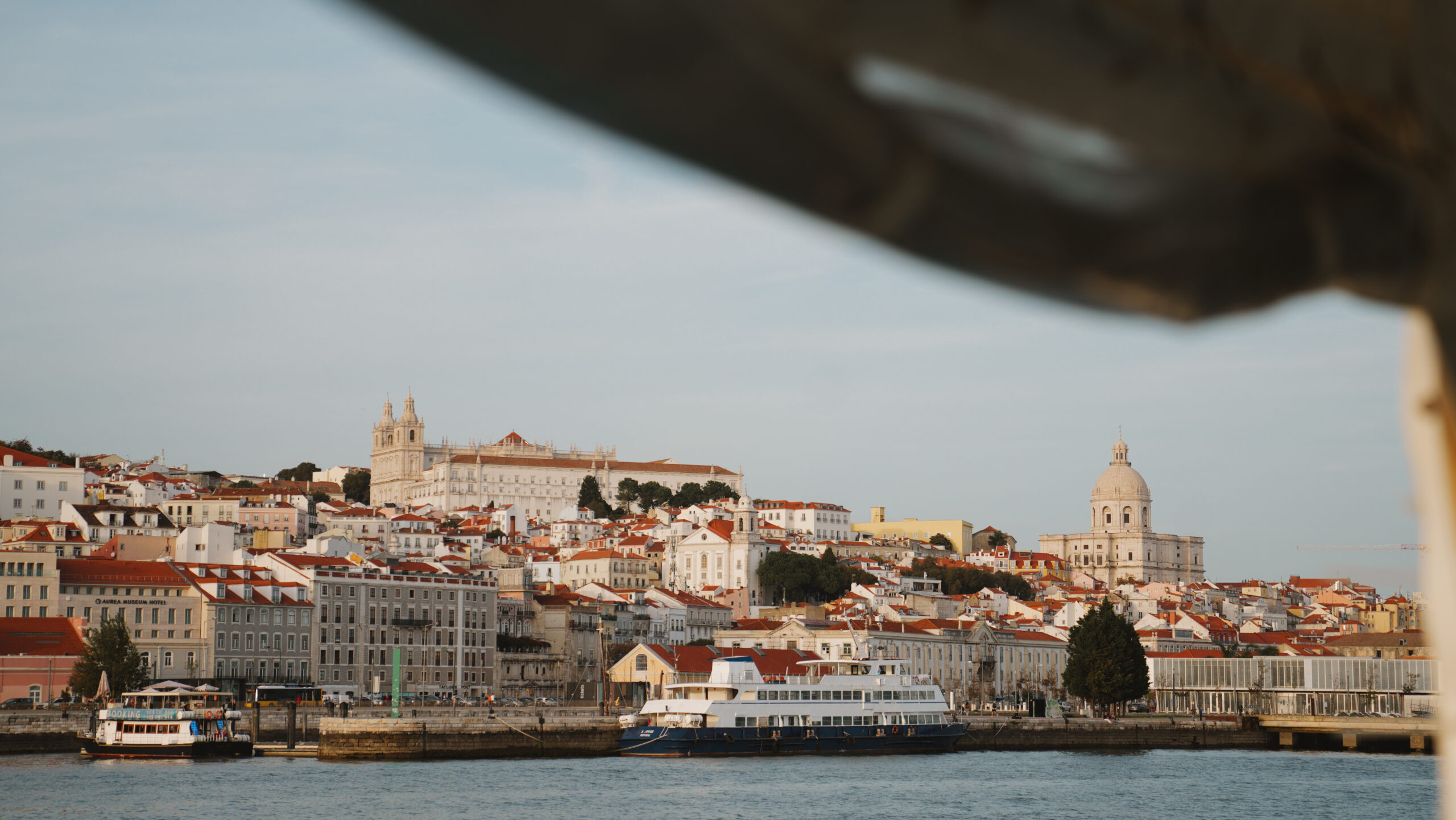
Alfama remains the neighbourhood that best preserves old Lisbon. Narrow streets, stairways, balconies, washing lines, viewpoints and fado houses make it the right place to feel the city slowly, not just photograph it. It is one of the places that appears most consistently on every serious list of Lisbon essentials.
3. Lisbon Cathedral
The Cathedral is the oldest and most important church in the city, with more than 800 years of history. It is worth visiting not only for its religious and architectural value, but because it helps explain how Lisbon has been built, destroyed and rebuilt over the centuries.
4. Praça do Comércio, also known as Terreiro do Paço
There are beautiful squares, and then there is this one. Praça do Comércio remains one of Lisbon’s strongest images because of its scale, its opening to the Tagus and the historical weight it has carried since long before the 1755 earthquake. Even people spending little time in the city should stop here.
5. Santa Justa Lift
This is one of the most recognisable landmarks in Baixa. It connects Rua do Ouro to Largo do Carmo in a neo Gothic structure that stands apart from the rest of the city, and it remains one of the easiest ways to gain perspective over the historic centre.
6. National Pantheon
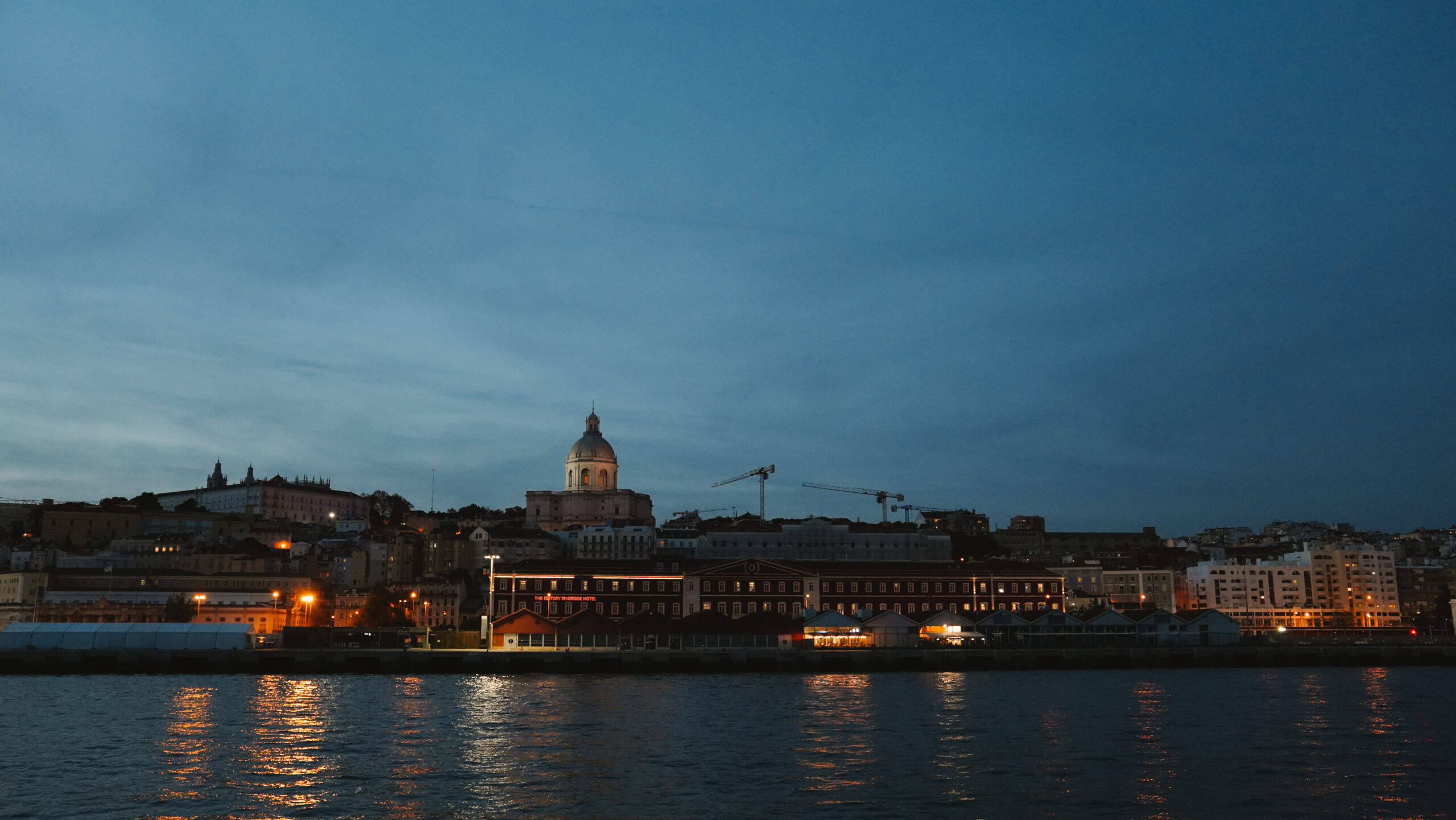
The National Pantheon, installed in the former Church of Santa Engrácia, impresses immediately because of its dome and the scale of the building. What really matters, though, is the combination of baroque architecture, national memory and a wide view over the historic part of Lisbon.
7. Miradouro da Senhora do Monte
Lisbon has many viewpoints, but this is still one of the strongest. Visit Lisboa itself describes it as one of the calmest and one with exceptional panoramic views. If you want a broad image of the city, it is hard to beat.
The riverside stretch that helps you read Lisbon
8. Cais do Sodré
Many people see Cais do Sodré only as a passing area, but that is too narrow a reading. It is one of the city’s big transport nodes, with metro, train and ferry connections, and it works as a gateway to the Tagus, to Cascais and to the riverside. It is worth knowing it as a starting point, not just as a station.
9. Ribeira das Naus
Ribeira das Naus has a rare advantage: it is historic and simple at the same time. The former shipyard of the Portuguese naus is now an open space by the river, with steps, grass and one of the best urban pauses in Lisbon. For many people, this is where the Tagus is felt most clearly, with almost no distraction.
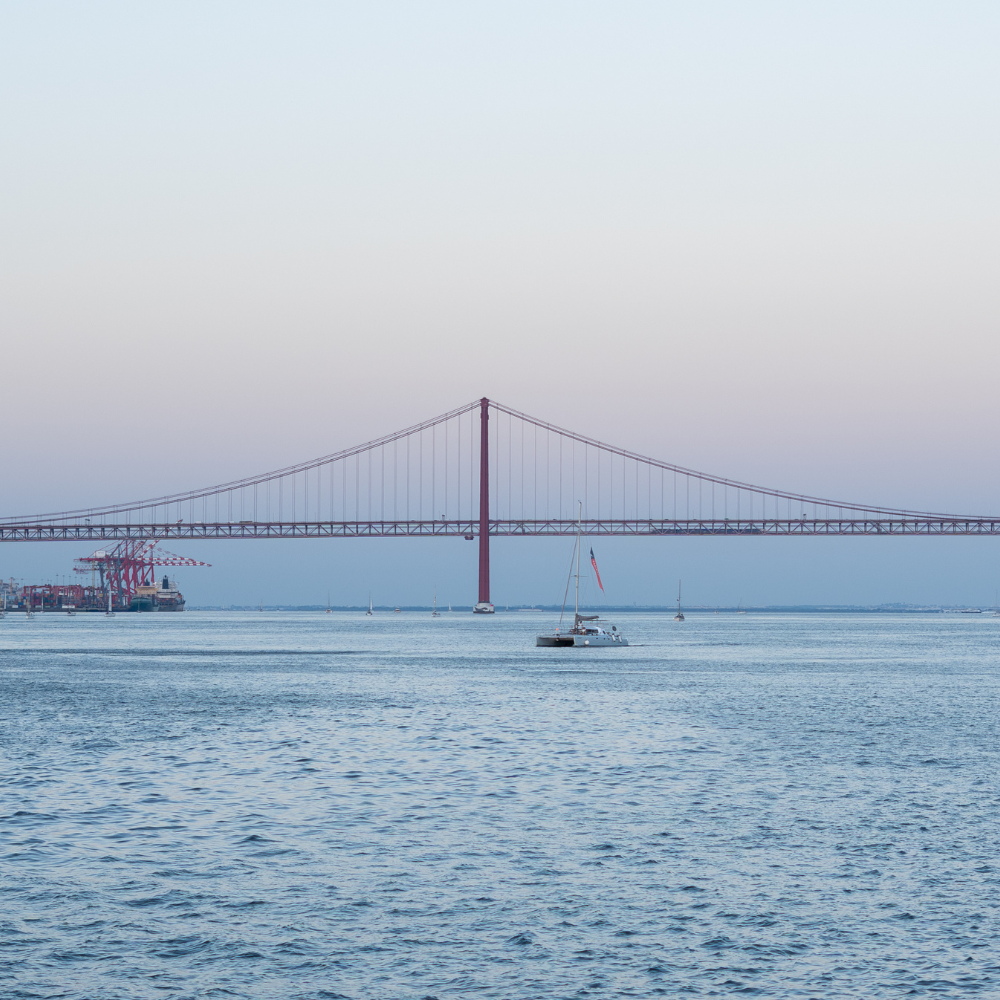
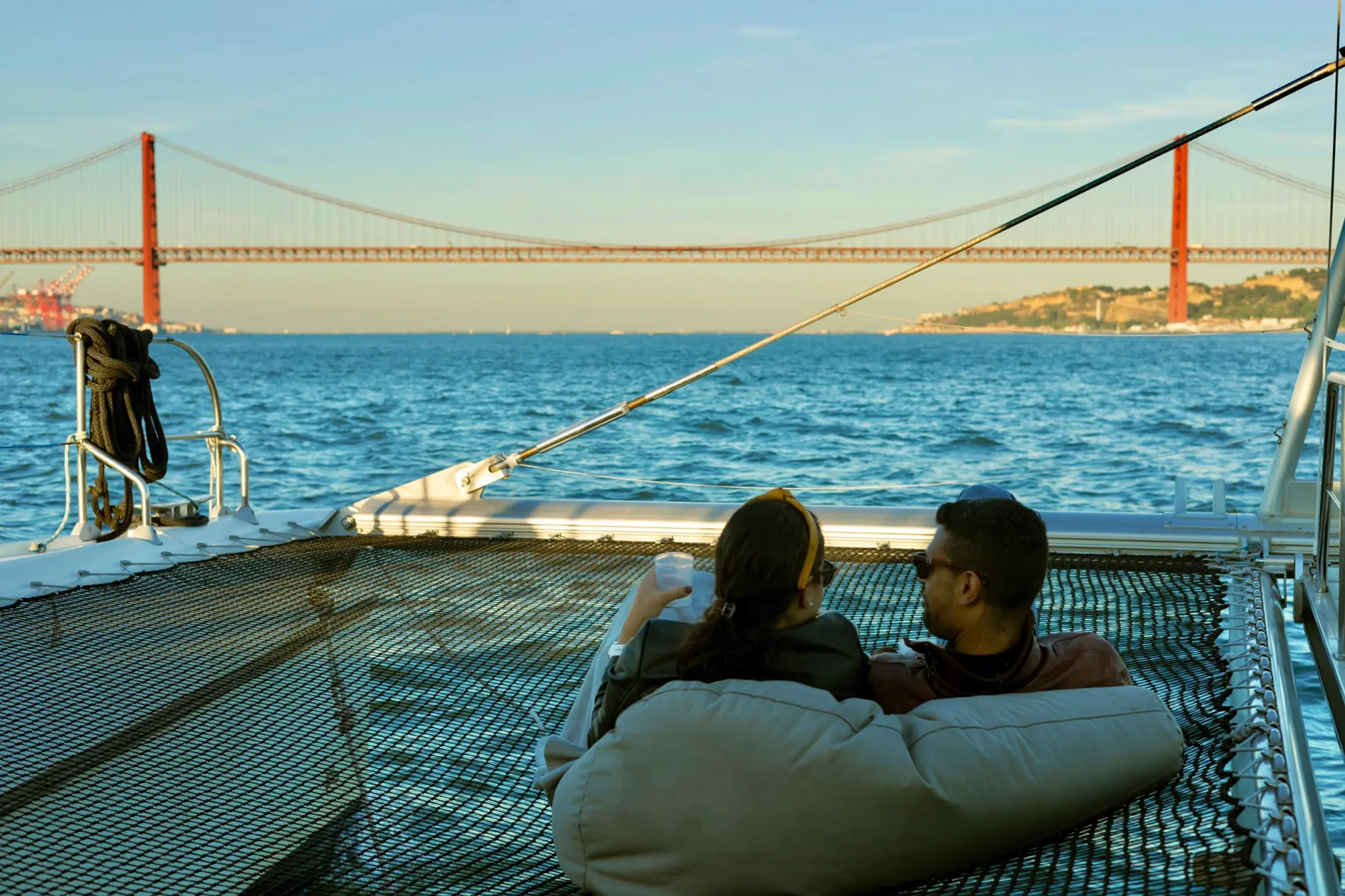
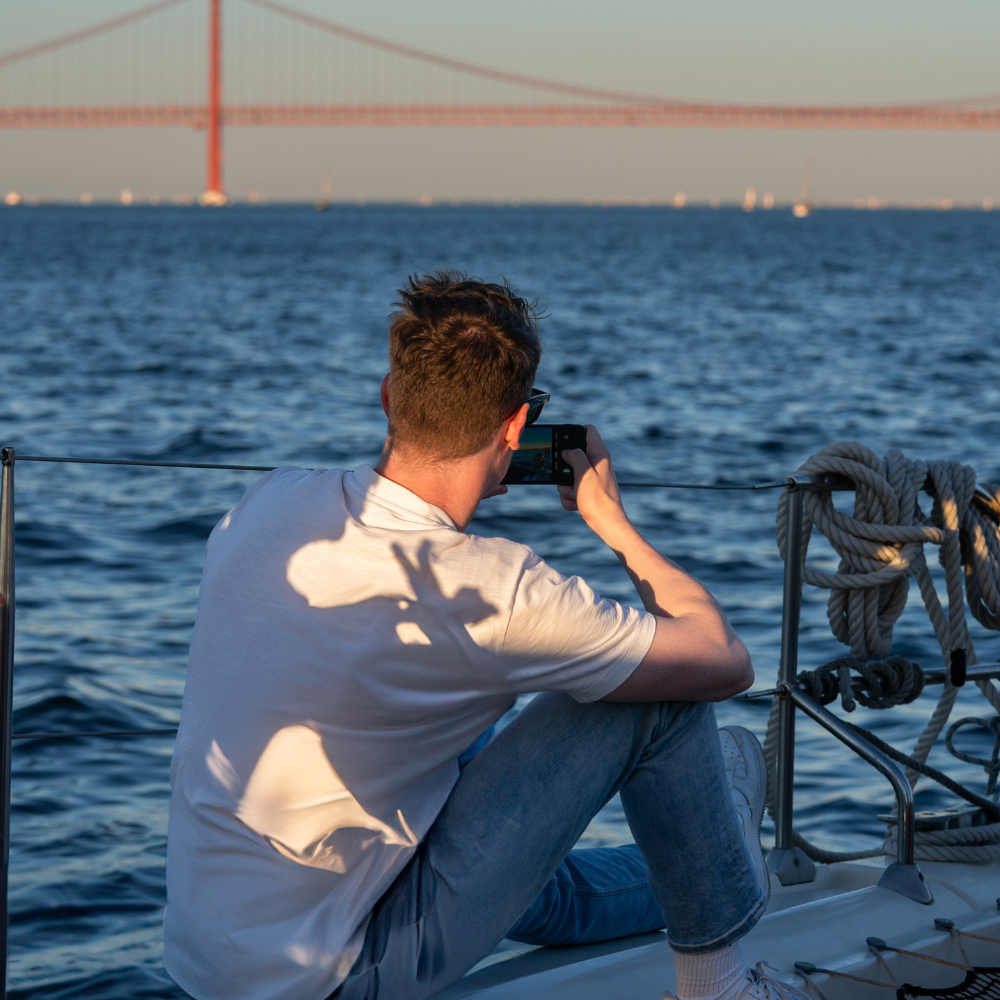
10. 25 de Abril Bridge
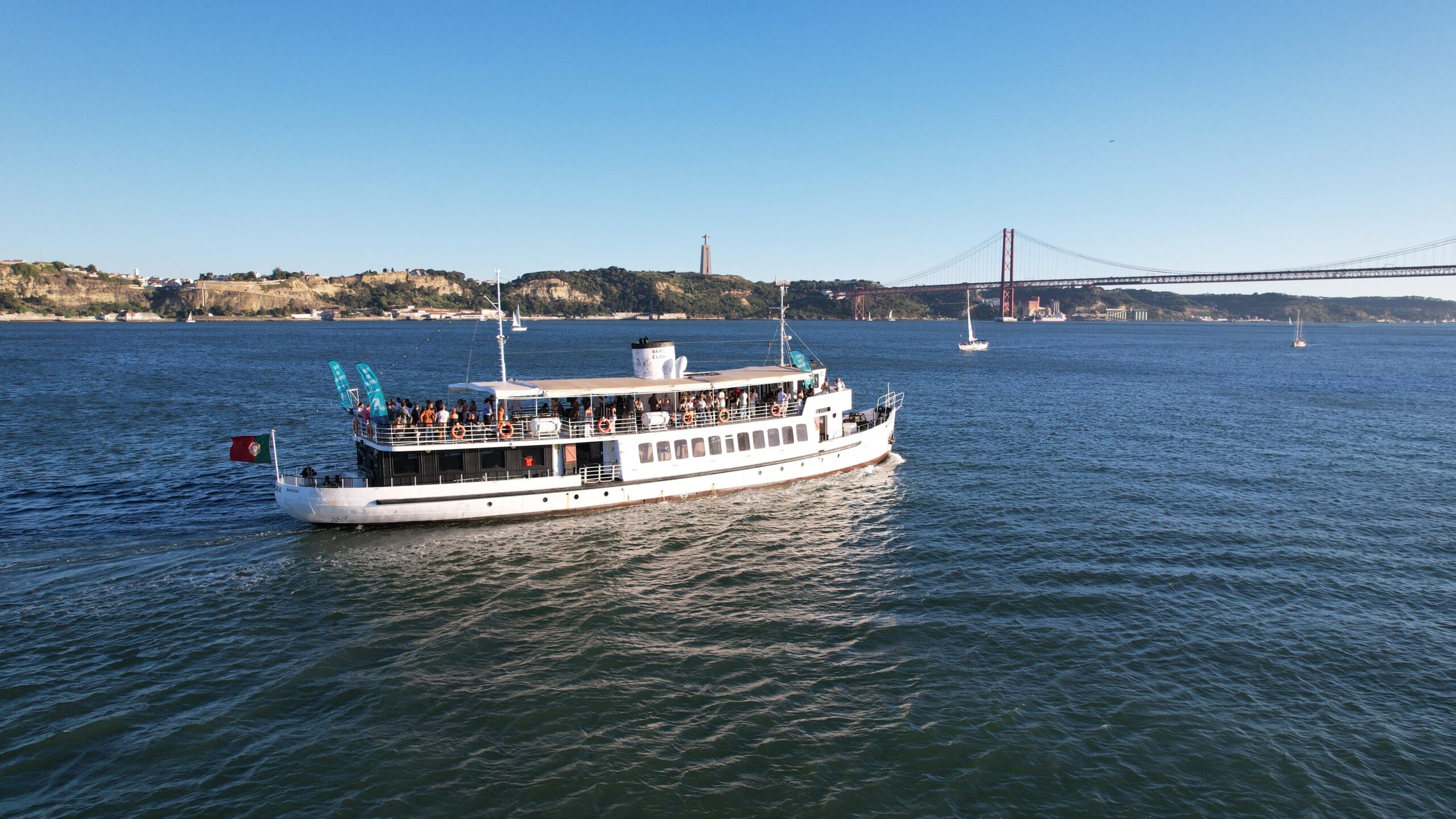
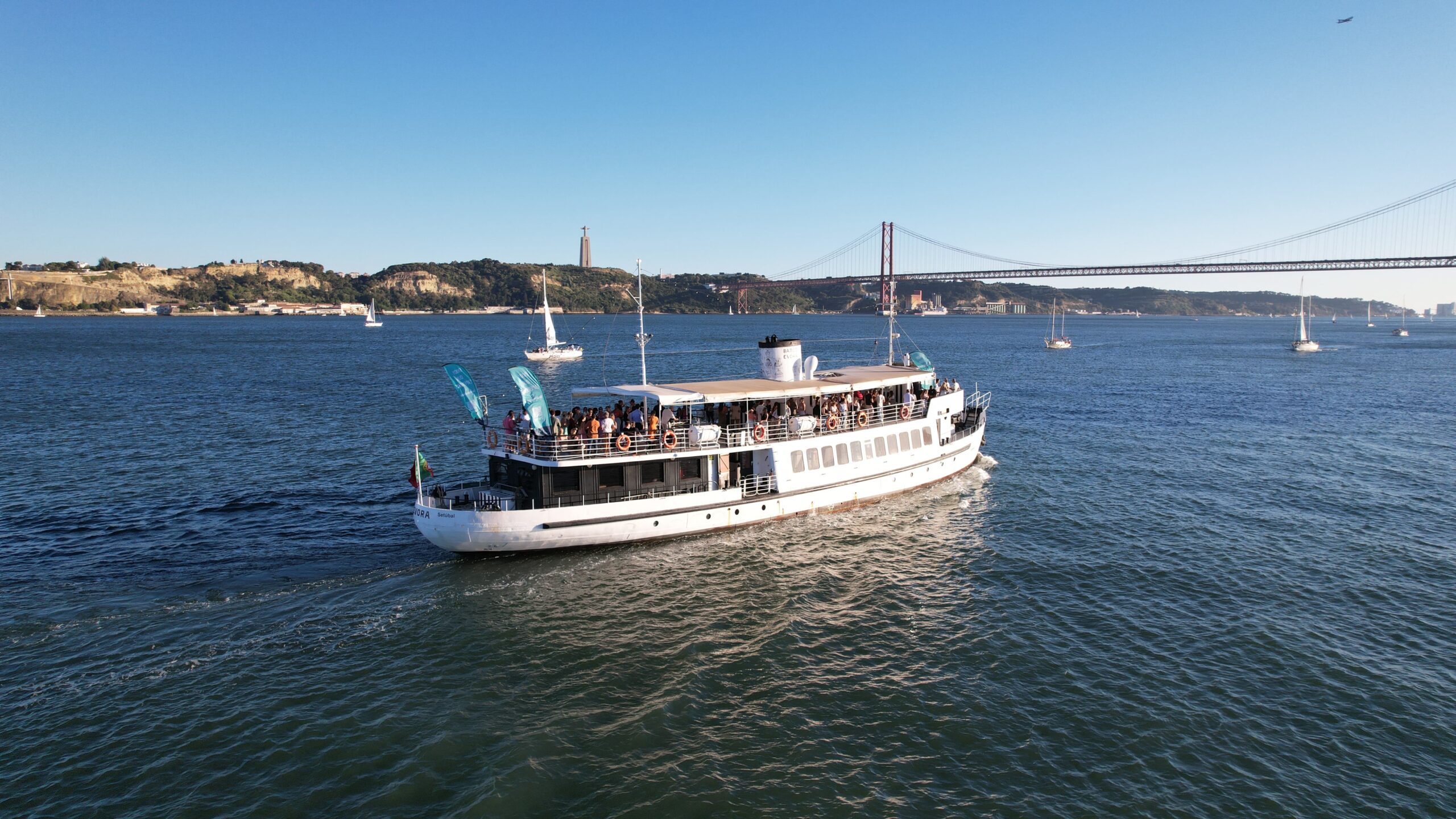
Even when you do not cross it, the 25 de Abril Bridge is part of the Lisbon experience. It is one of the city’s visual icons, stretching 2,300 metres, and it completely changes the way the river and the south bank are perceived. Seen from below, from the water or from Alcântara, it always has real impact.
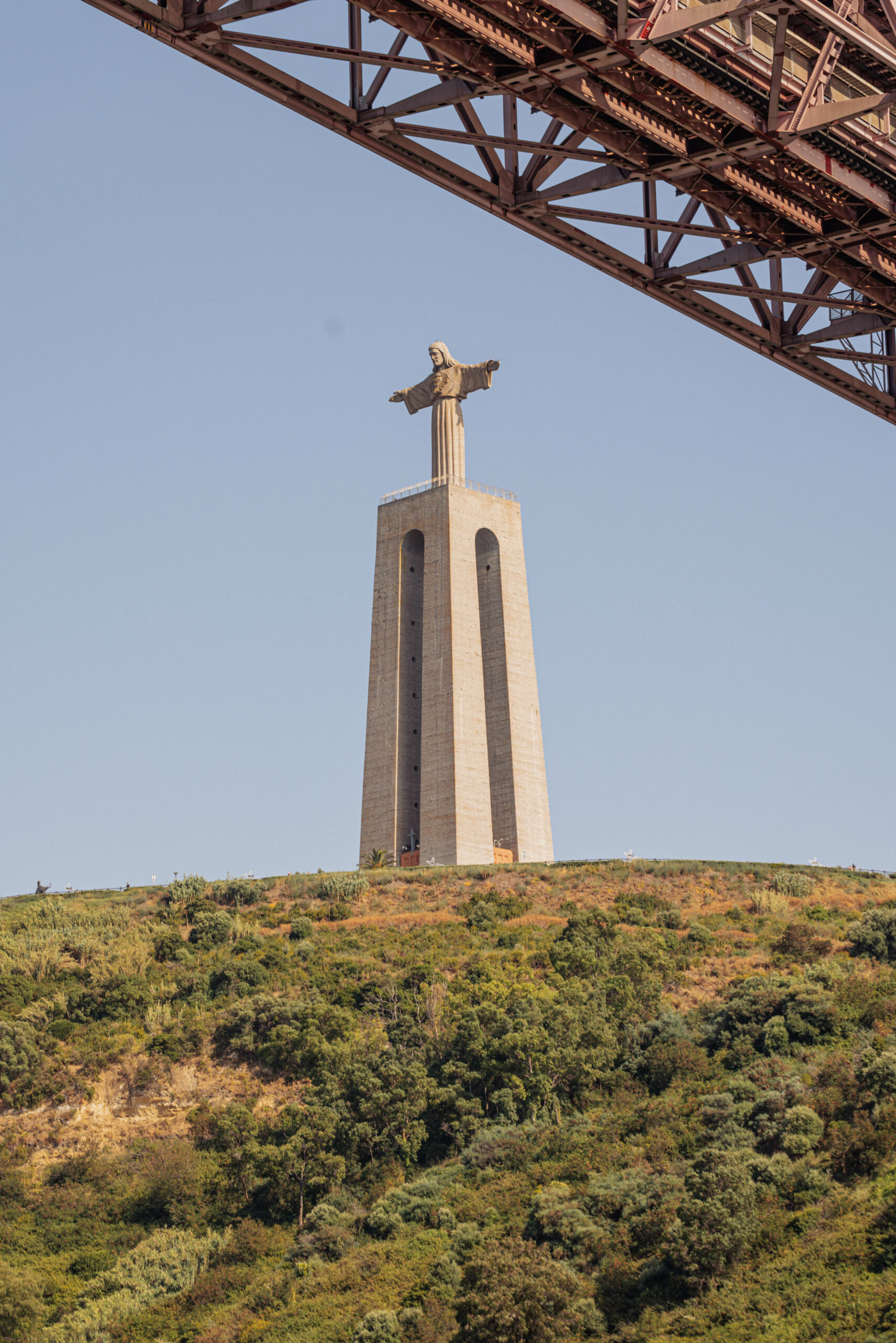
11. Cristo Rei
Technically it stands in Almada, but it belongs to Lisbon’s grand postcard. The Sanctuary of Cristo Rei faces the city and remains one of the most striking elements in the Tagus landscape. For many visitors, it is inseparable from the image of Lisbon seen from the river.
Belém, where Lisbon shows its historic scale
12. Jerónimos Monastery
Few monuments sum up Portugal’s historic grandeur as well as this one. Jerónimos Monastery has been a UNESCO World Heritage Site since 1983 and remains one of the most important works of sixteenth century Portuguese architecture. This is the kind of place that deserves a proper visit, not just a glance from outside.
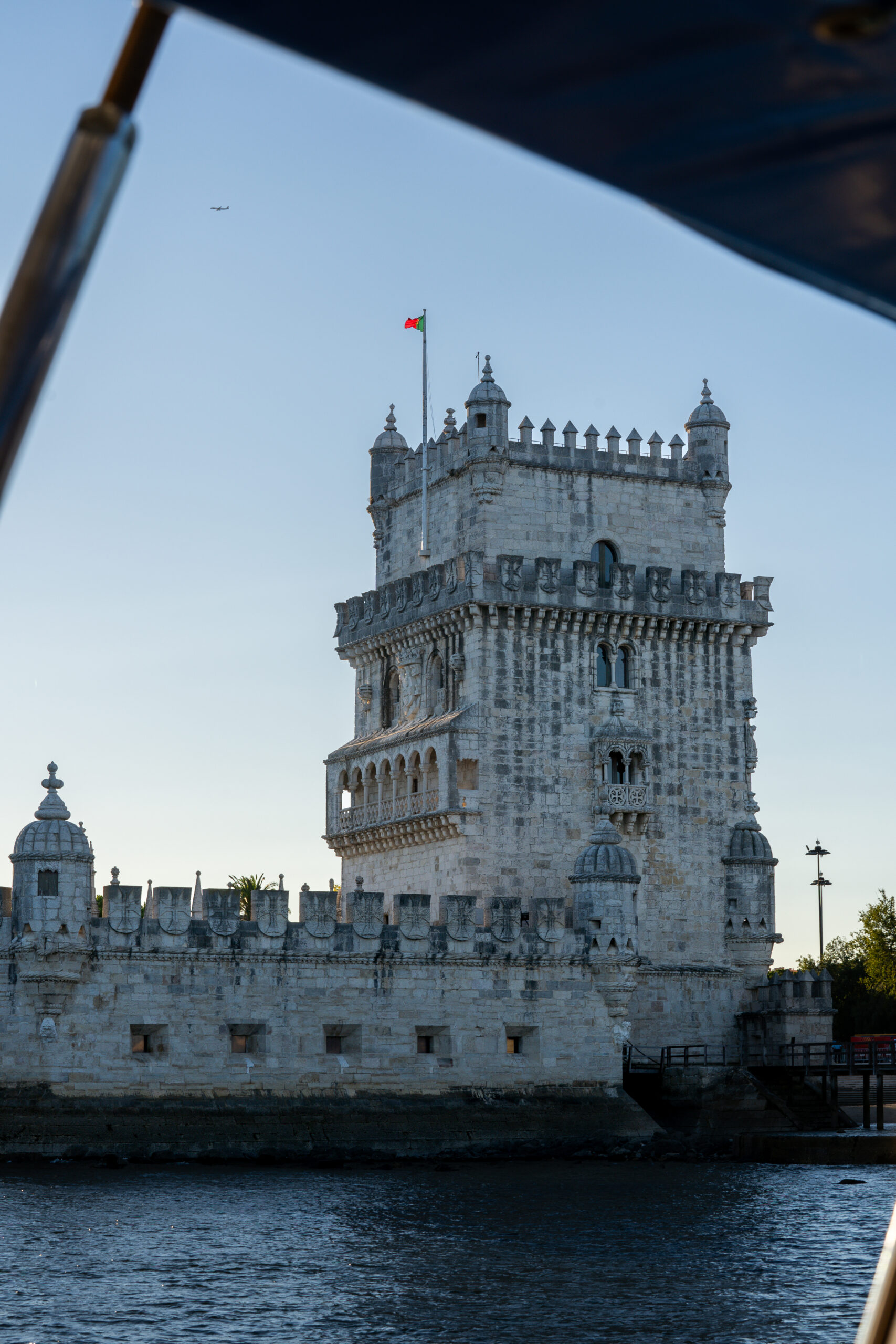
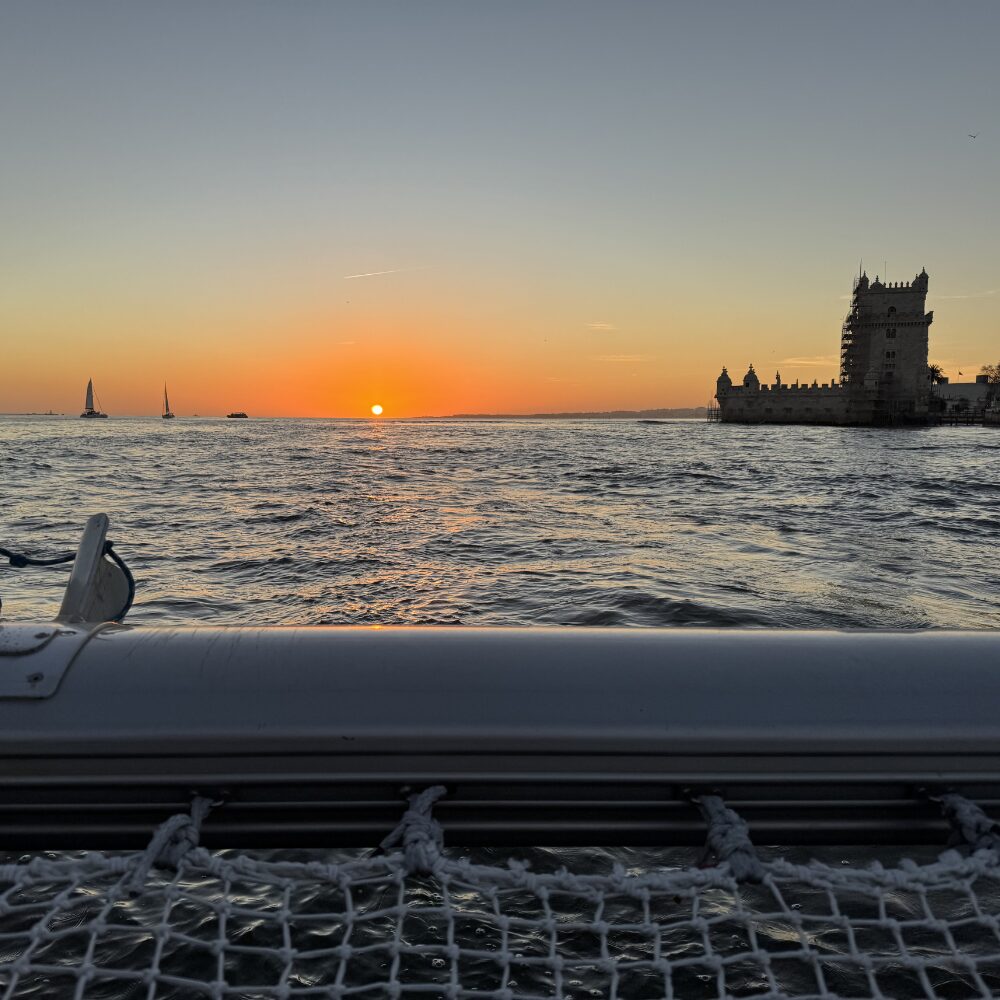
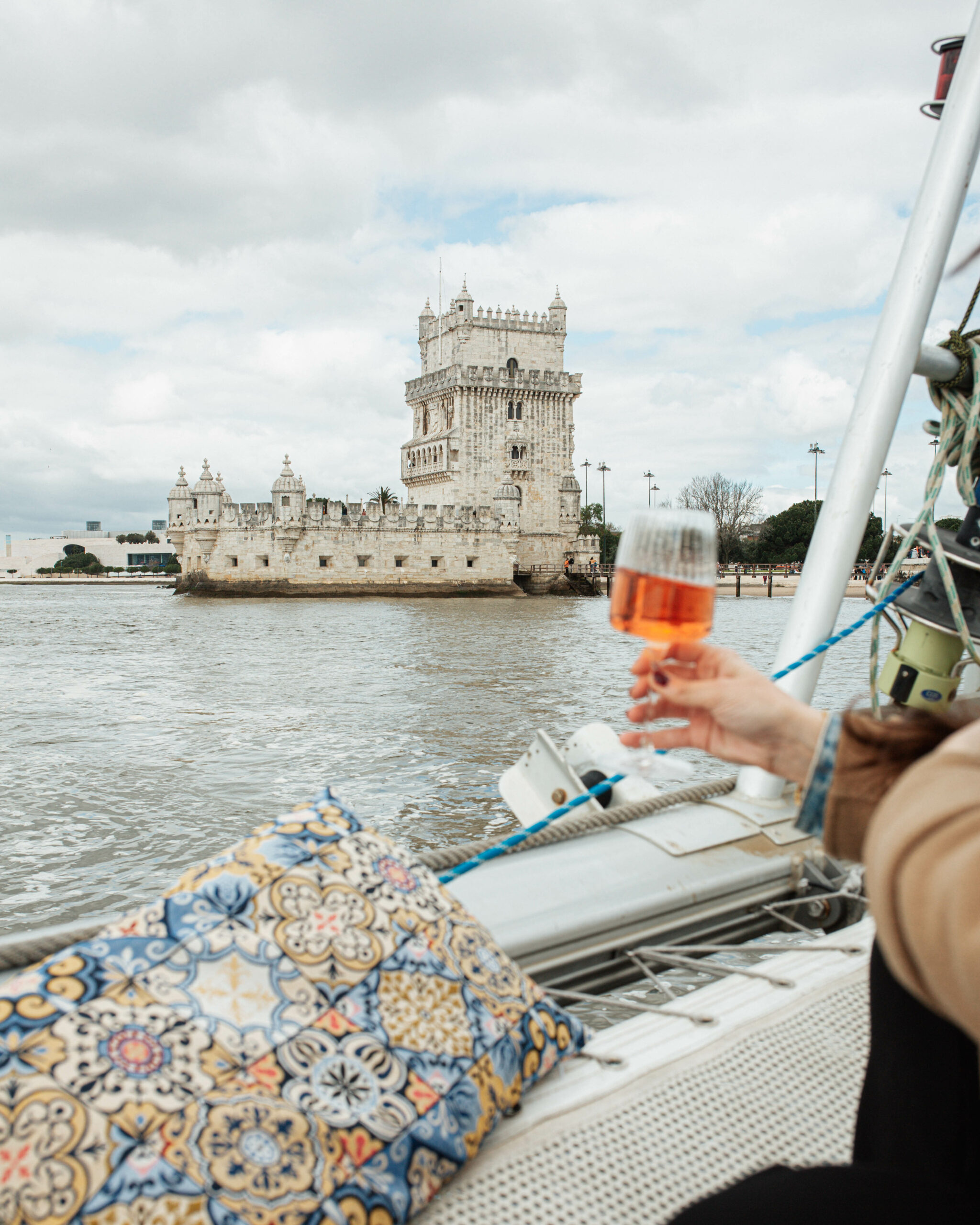
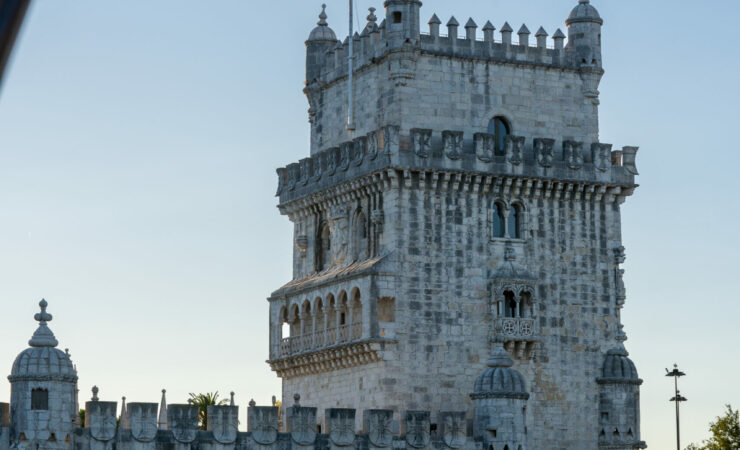
13. Belém Tower
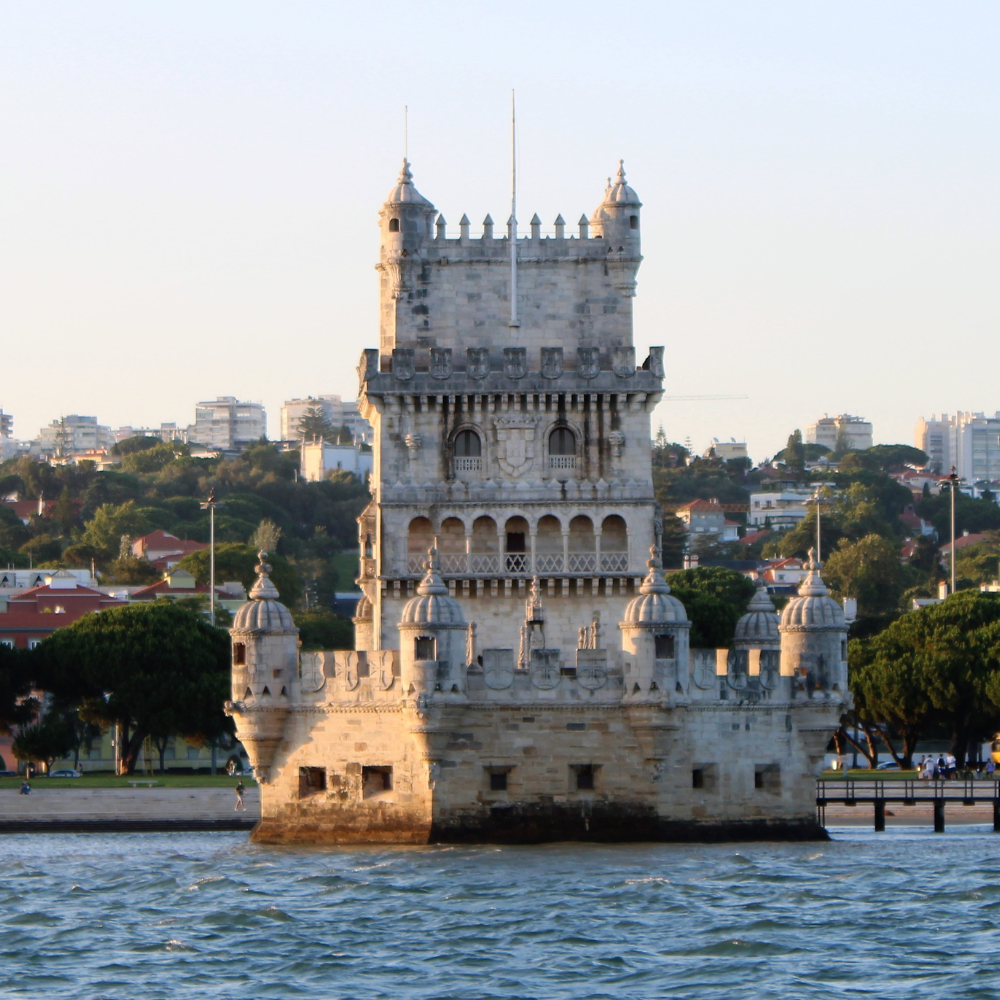
Belém Tower is a symbol of the city and of a country long turned towards the sea. It was completed in the early sixteenth century as part of Lisbon’s maritime defence system and remains one of the most photographed monuments in Portugal, for good reason.
14. Monument to the Discoveries
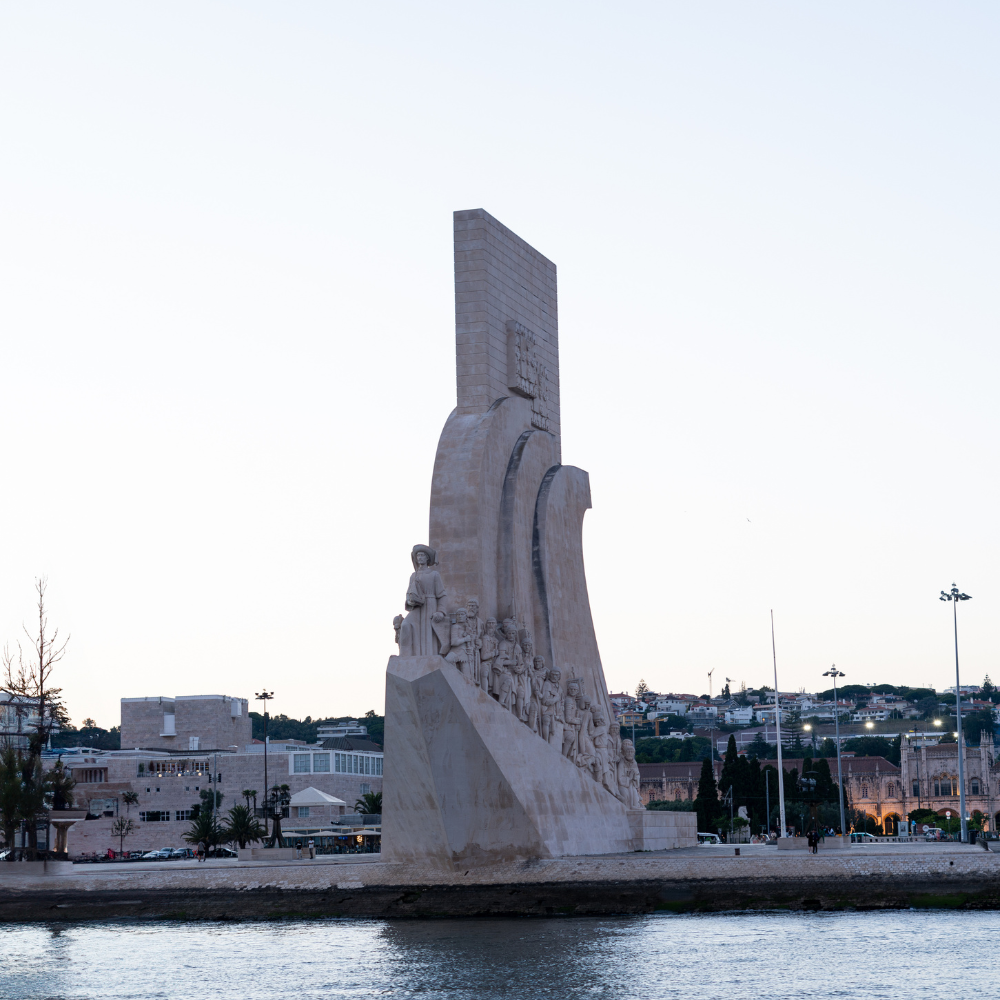
Some people treat it as a quick stop, but it deserves more attention than that. The Monument to the Discoveries was built by the Tagus to evoke the Age of Discovery and remains one of the strongest landmarks in Belém, both because of its scale and because of where it stands.
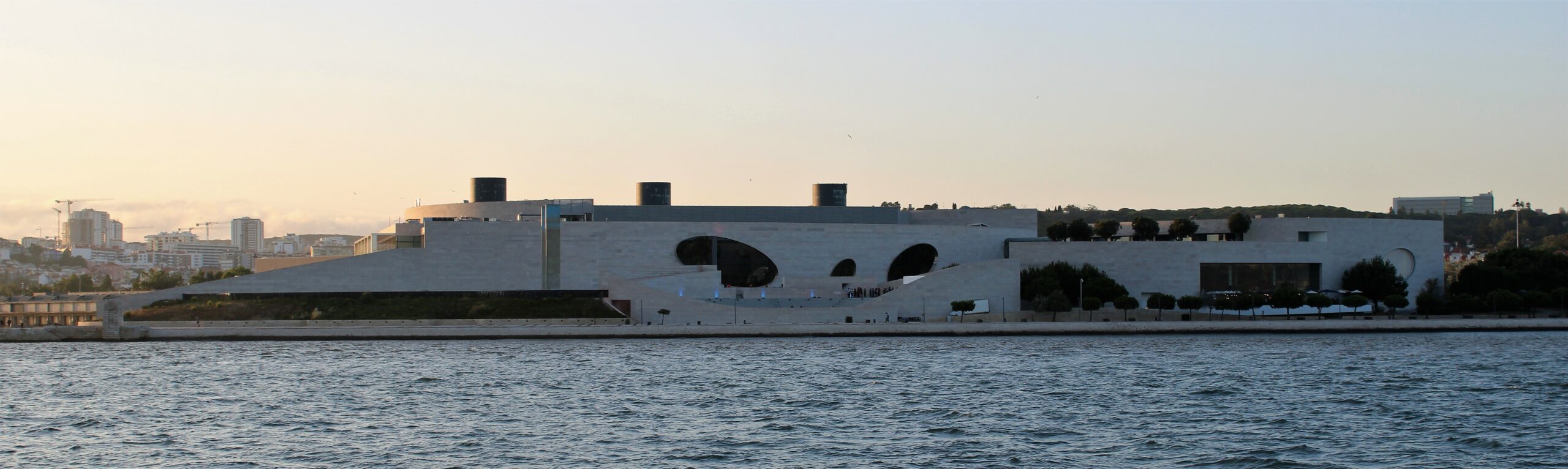
15. MAAT
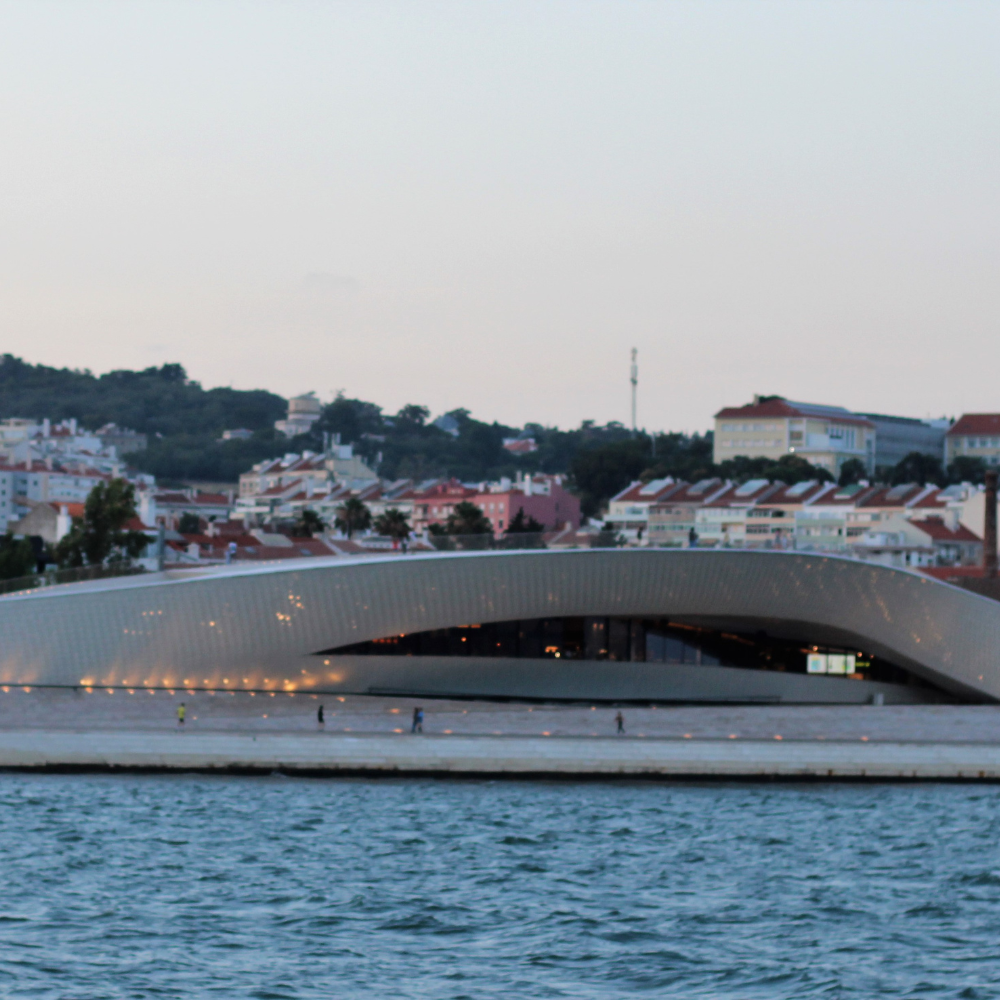
MAAT brought a completely different visual language to the Belém riverfront. Opened in 2016, it brings together art, architecture and technology in a striking contemporary building facing the river, and it has become one of the most photographed places in present day Lisbon.
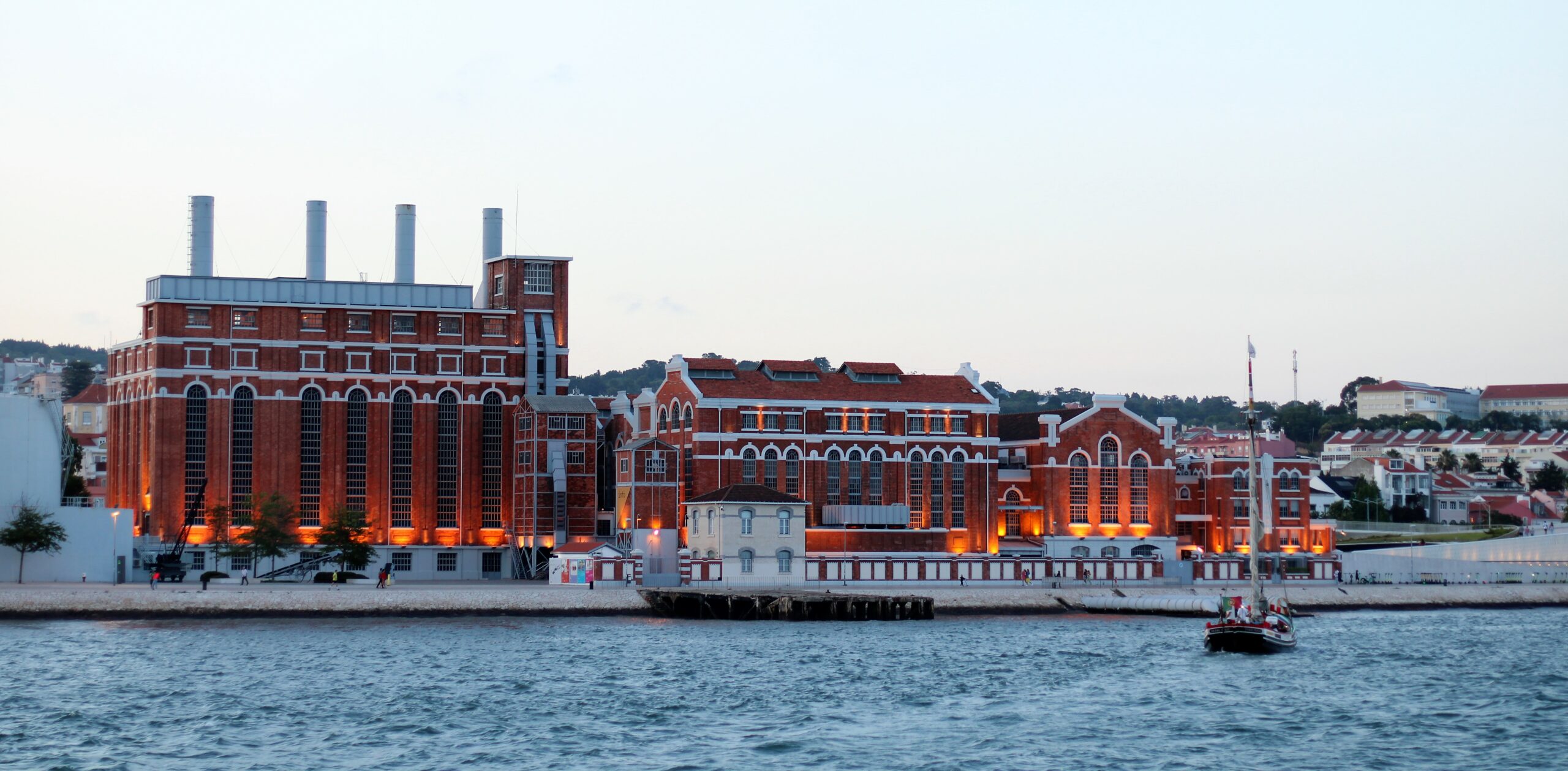
16. The Electricity Museum, in the former Central Tejo
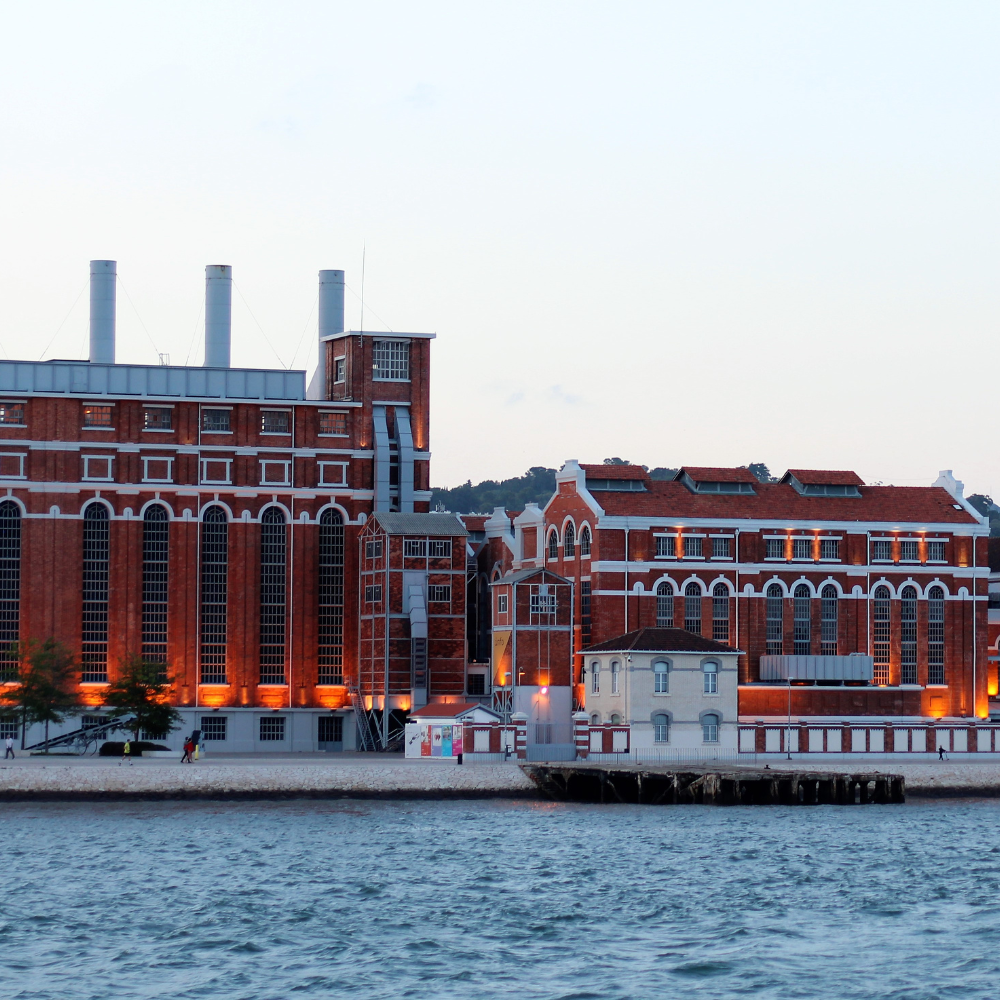
Right next to MAAT, the former Central Tejo remains a very interesting stop for anyone who likes industrial heritage and wants to understand how the city worked and evolved. The current Electricity Factory route connects past, energy and future in a much livelier way than a traditional technical museum.
Cultural and contemporary Lisbon
17. Lisbon Oceanarium
Among the city’s most consistently recommended attractions, the Oceanarium always stands out. Visit Lisboa describes it as a place of closeness to the ocean and to thousands of marine creatures, organised around one large central aquarium. Even for people who are not usually fans of aquariums, this tends to work very well.
18. National Tile Museum
Anyone who wants to understand an essential part of Portuguese visual identity should come here. Housed in the former Convent of Madre de Deus, the museum follows the history of the azulejo from the fifteenth century to the present day, which makes it much more than a decorative visit.
19. Parque das Nações
Parque das Nações shows a side of Lisbon that many older itineraries handled badly. The district was created out of Expo 98, it combines riverfront, green spaces, contemporary architecture and cultural venues, and it helps balance the idea that Lisbon is only hills, churches and stone pavements.
20. LX Factory
LX Factory does not carry the historical weight of Belém or Alfama, but it has become one of the most recognisable places in creative Lisbon. The former industrial site has been turned into a hub of shops, restaurants, events and urban life, and it remains a good stop for anyone who wants to see a more contemporary side of the city.
One final note, especially useful if you want to see a lot in a short time
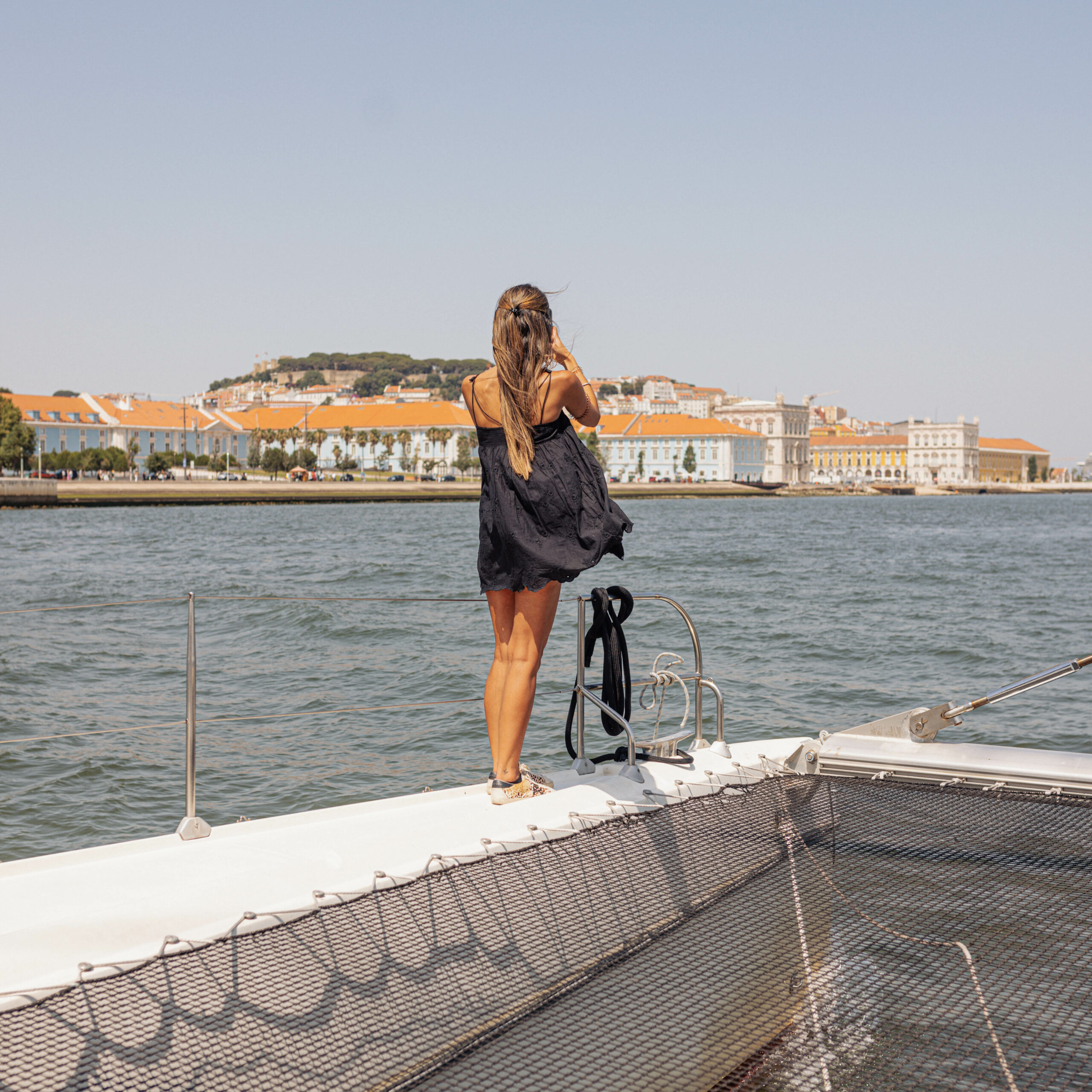
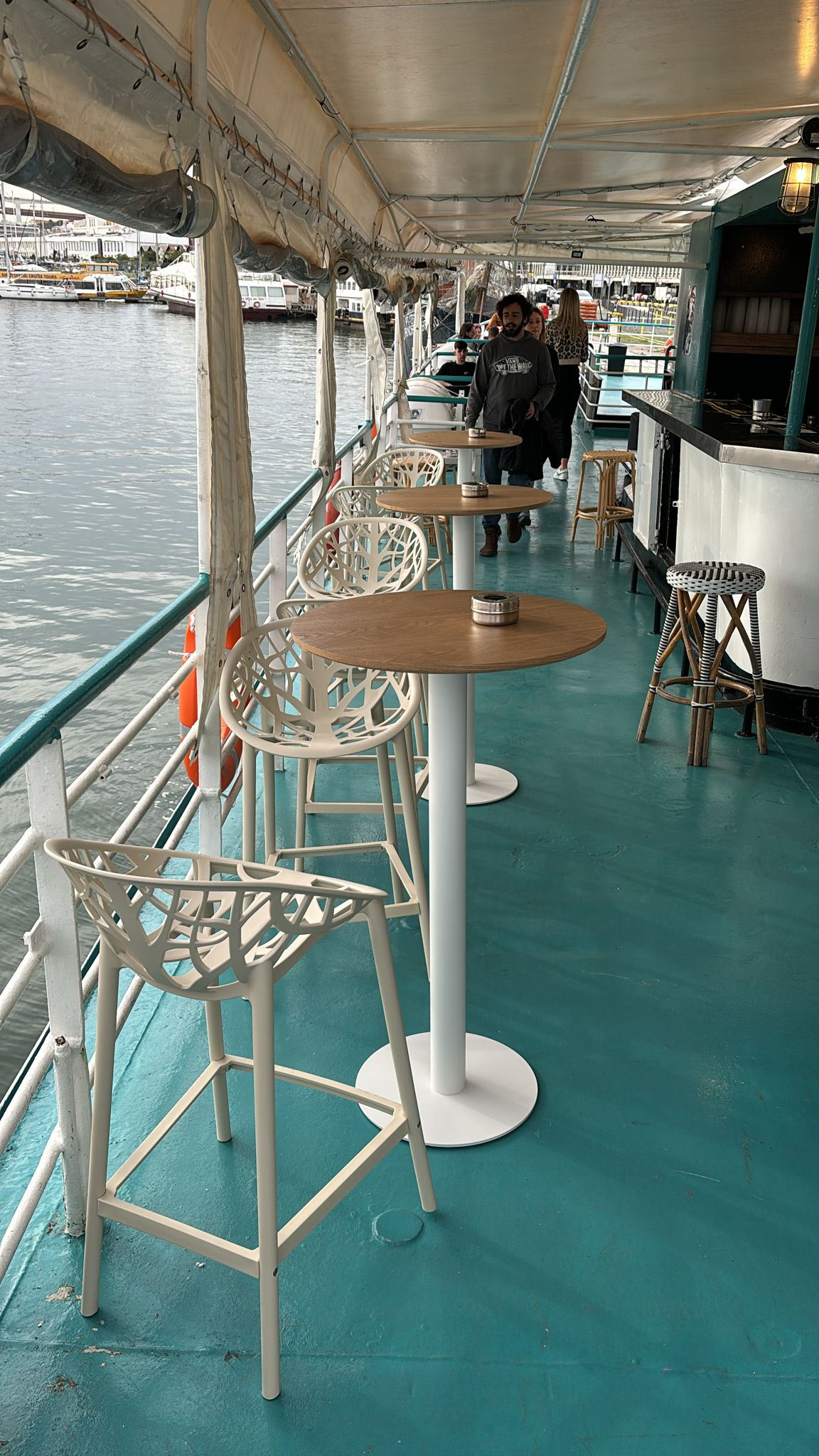
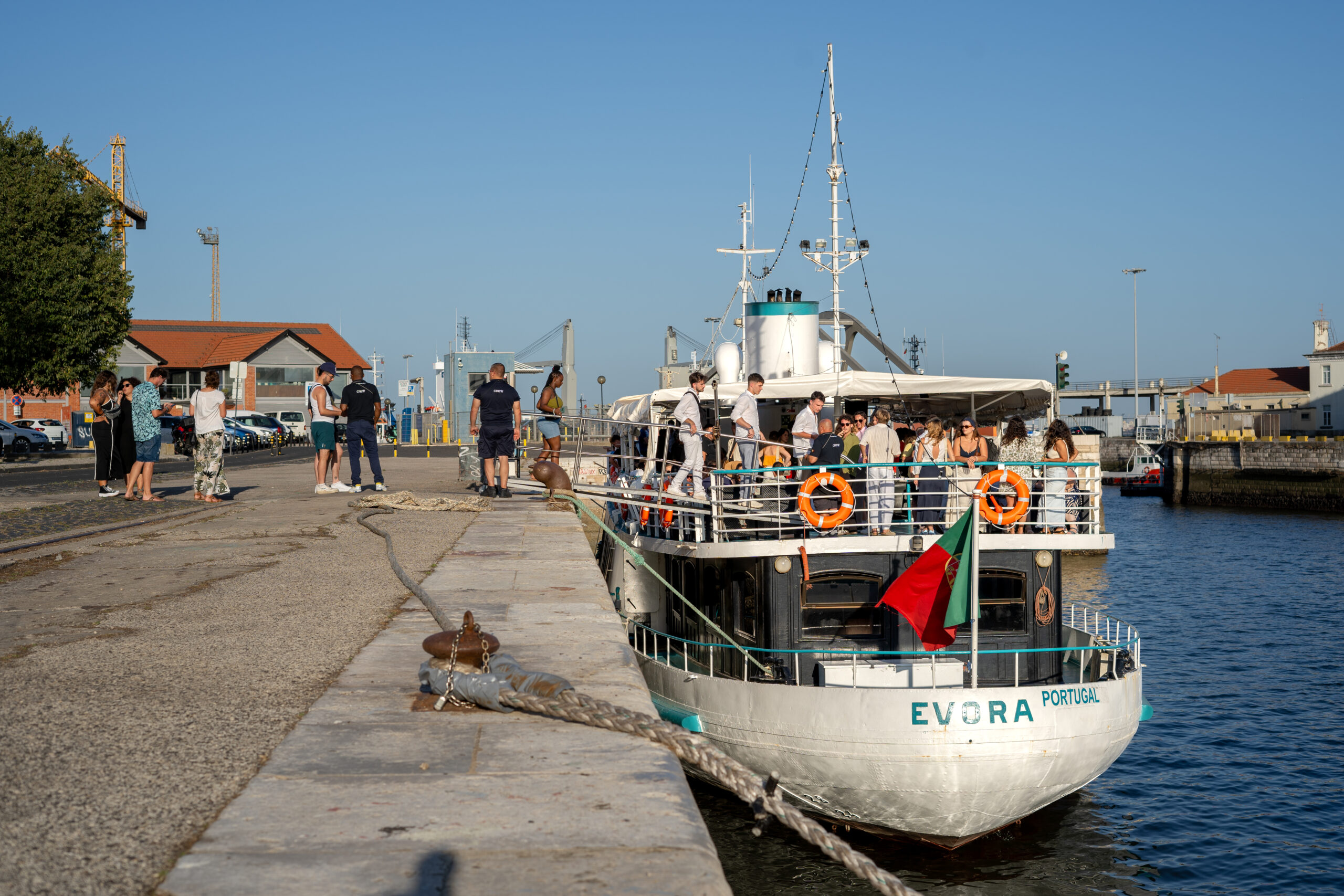
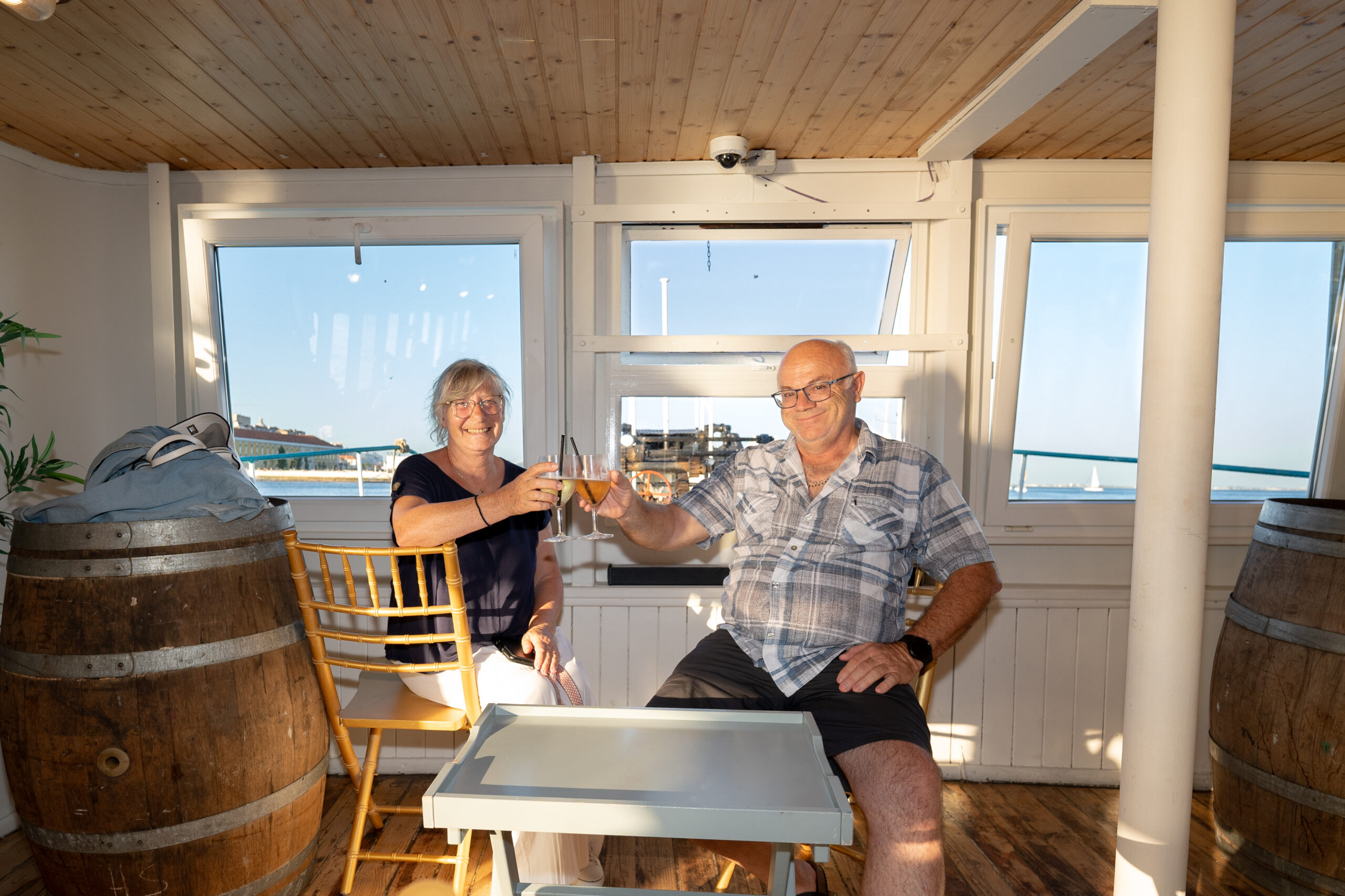
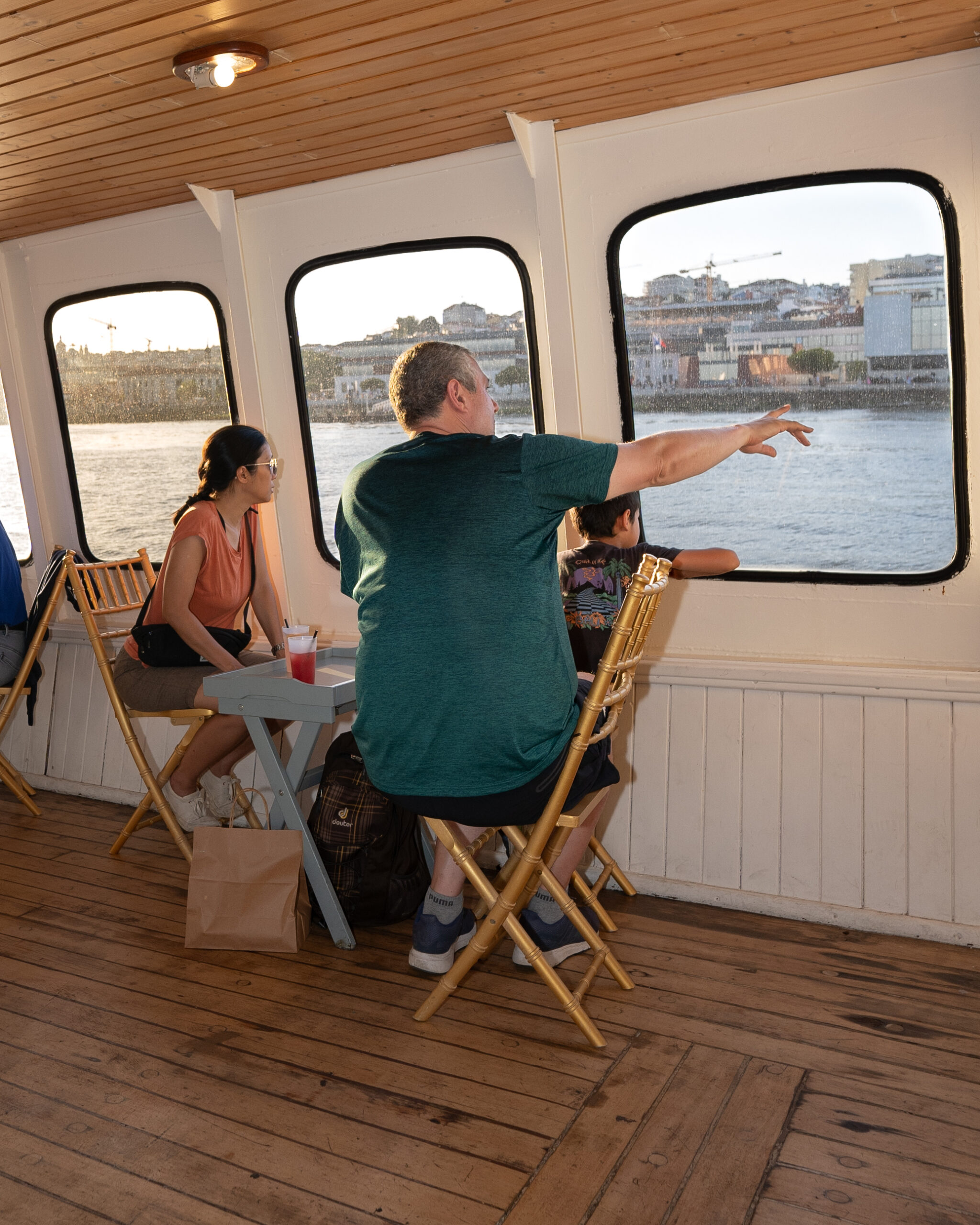
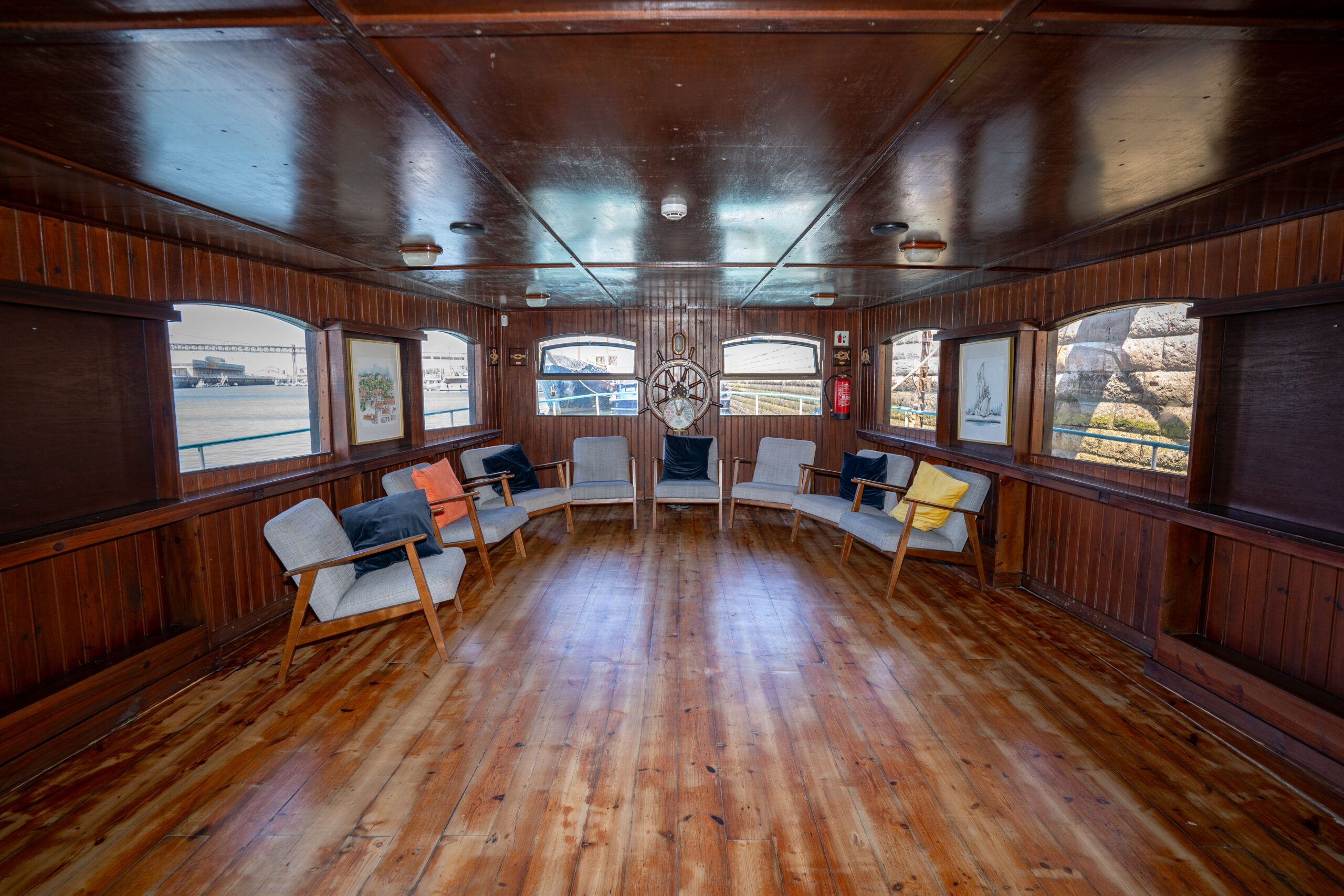
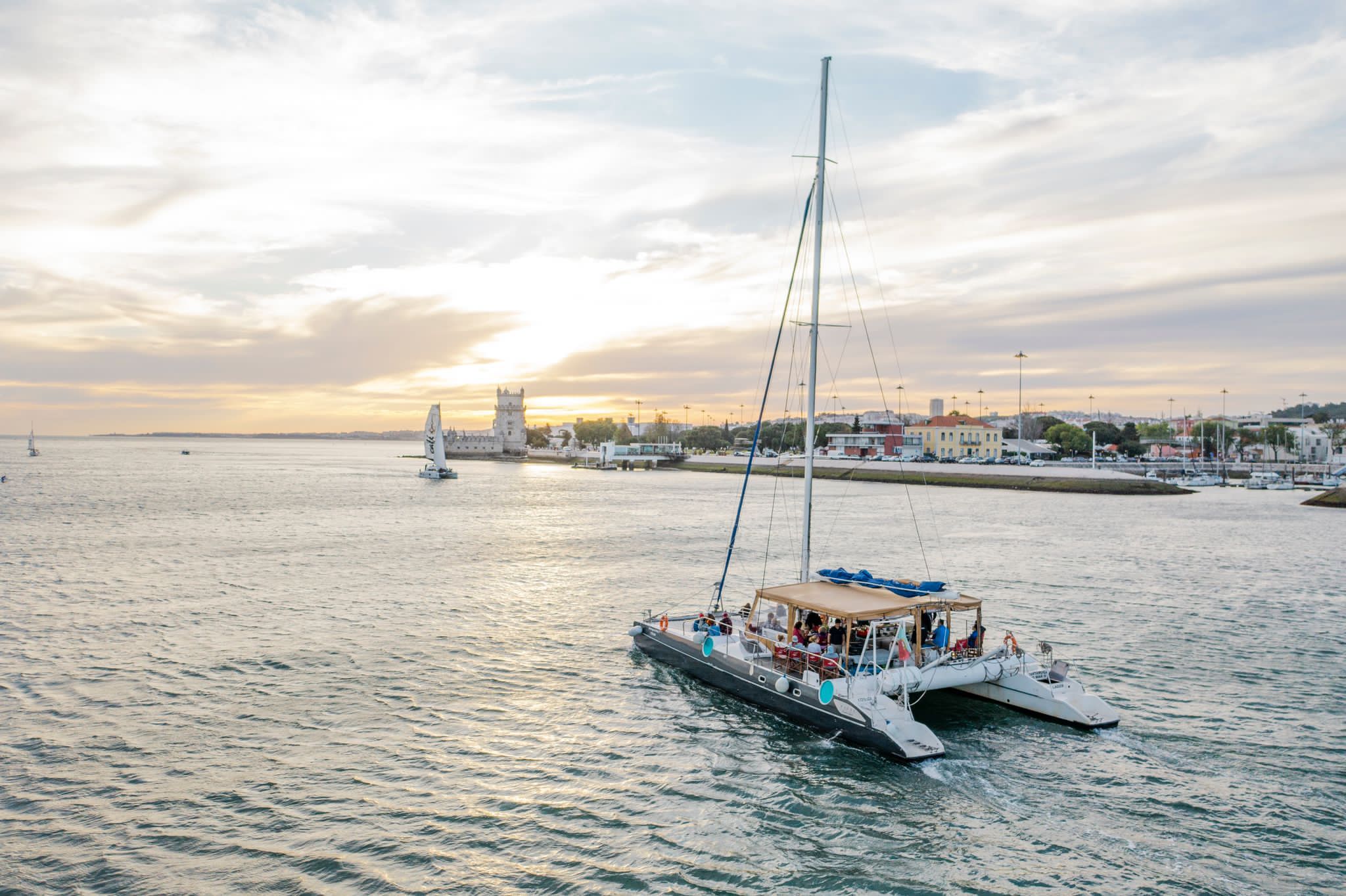
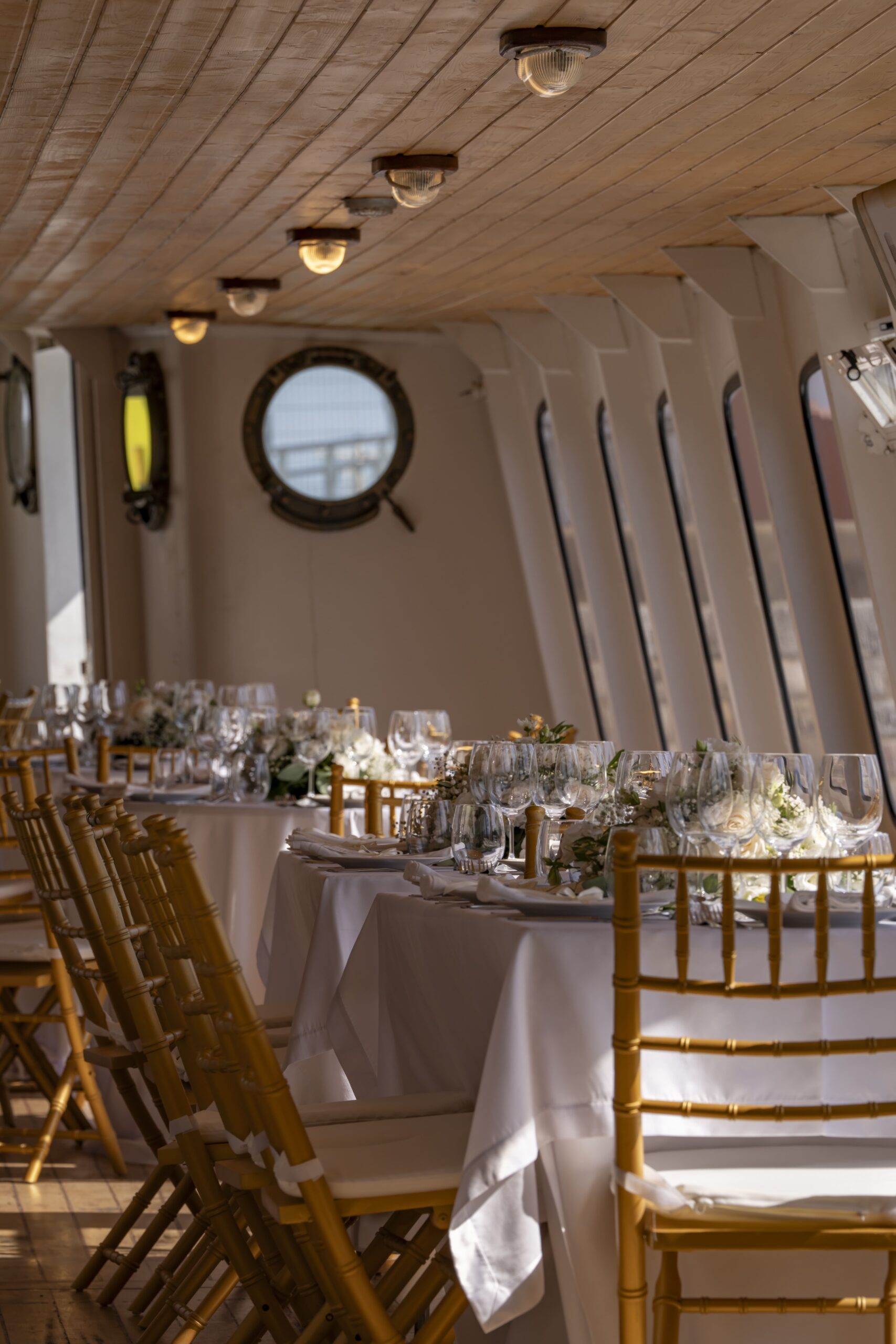
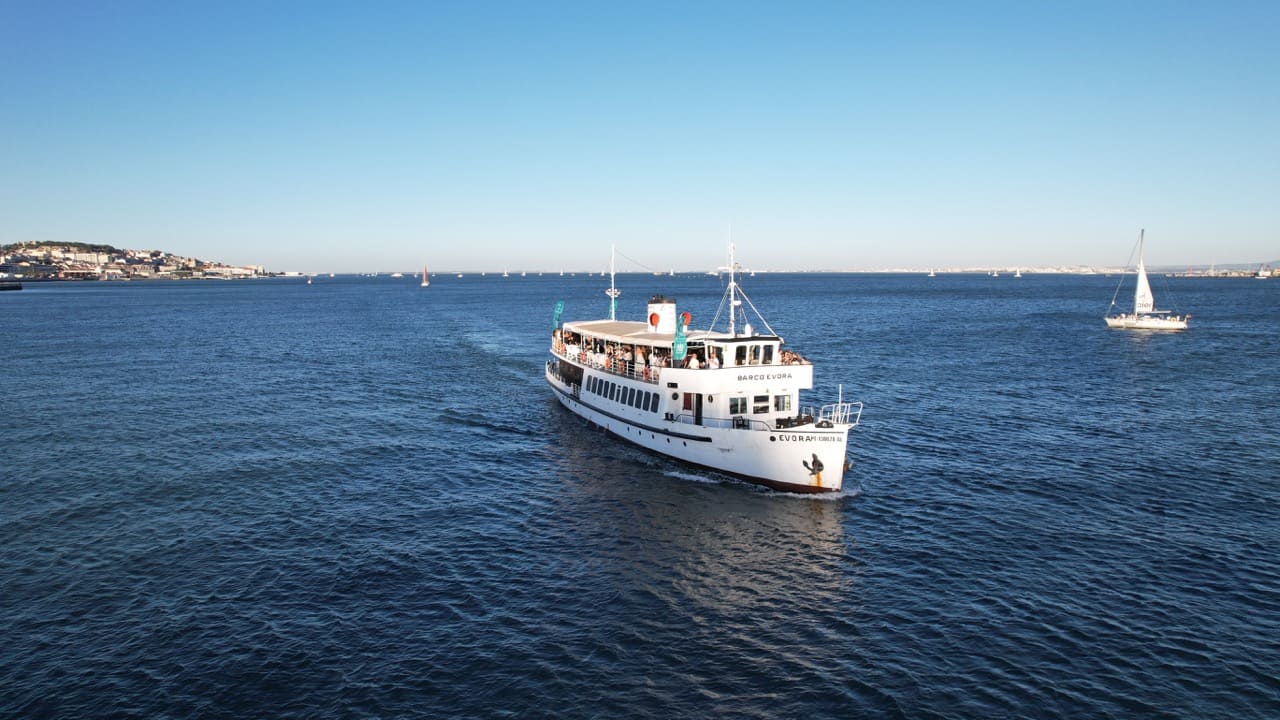
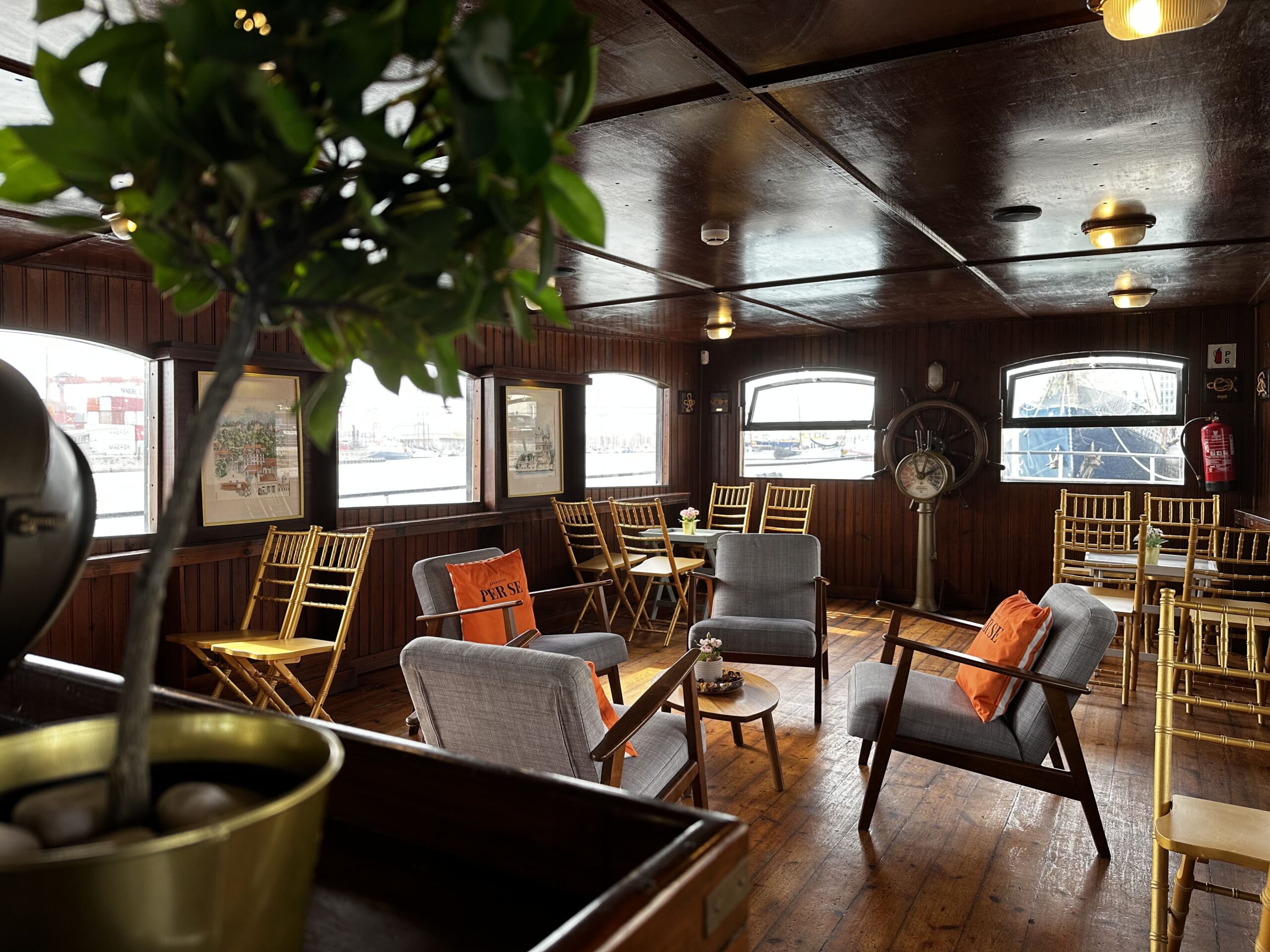
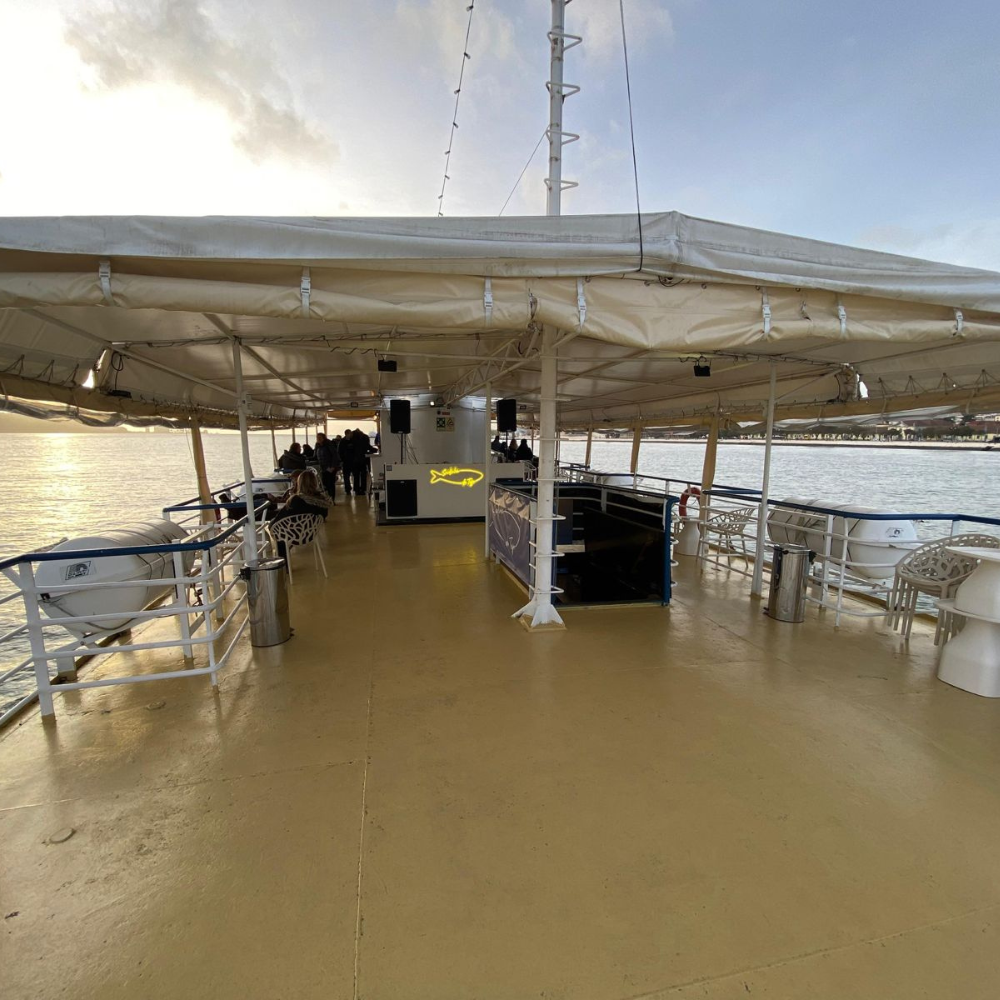
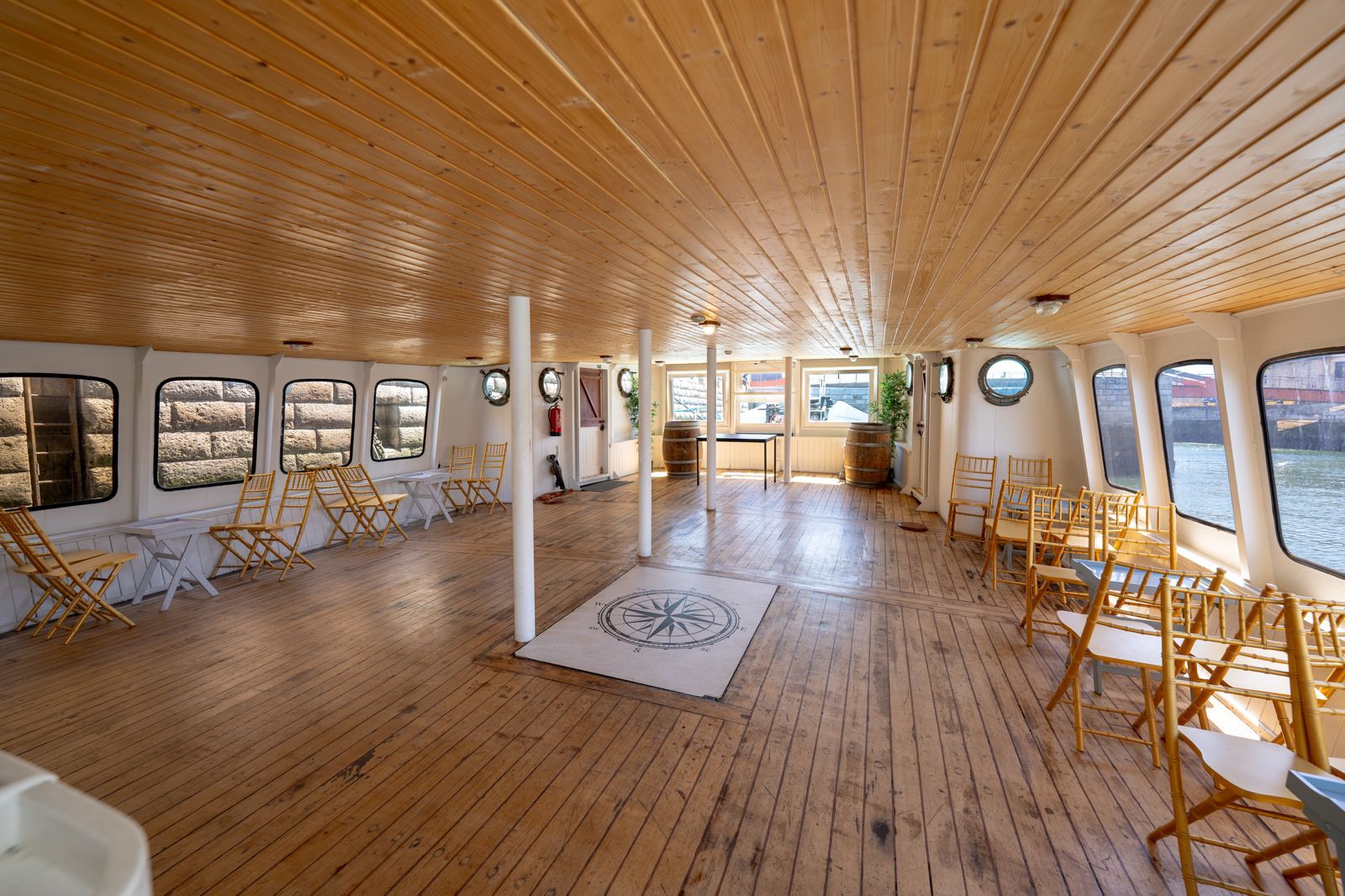
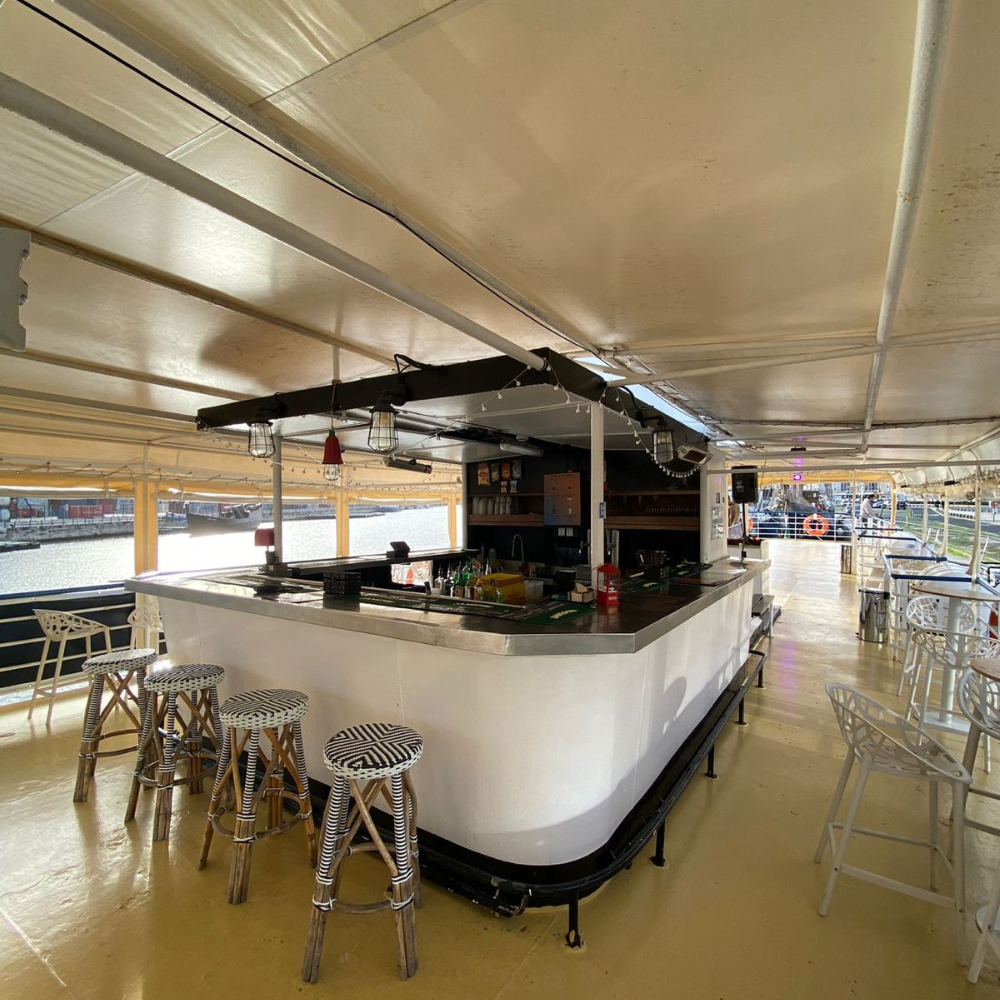
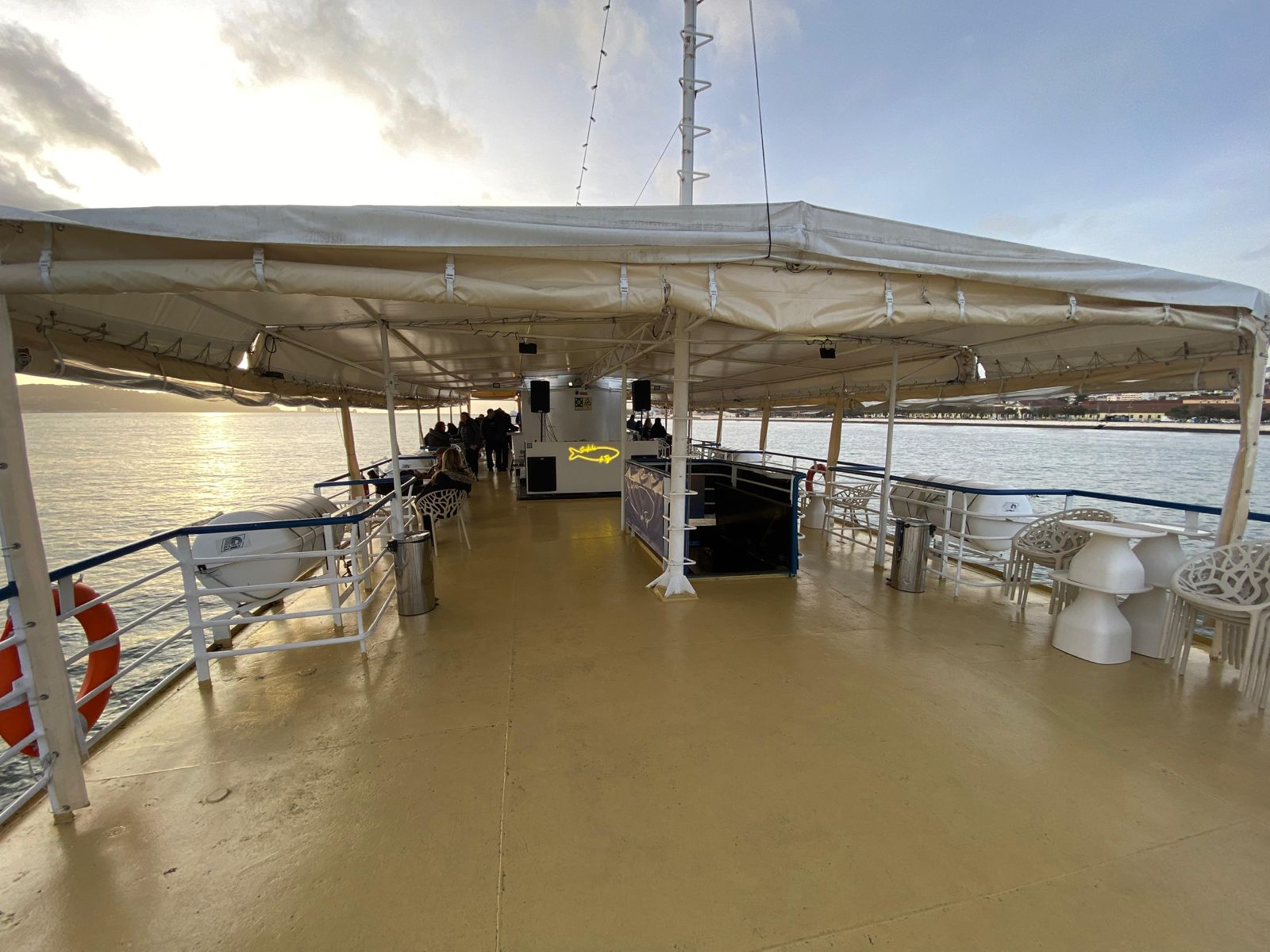
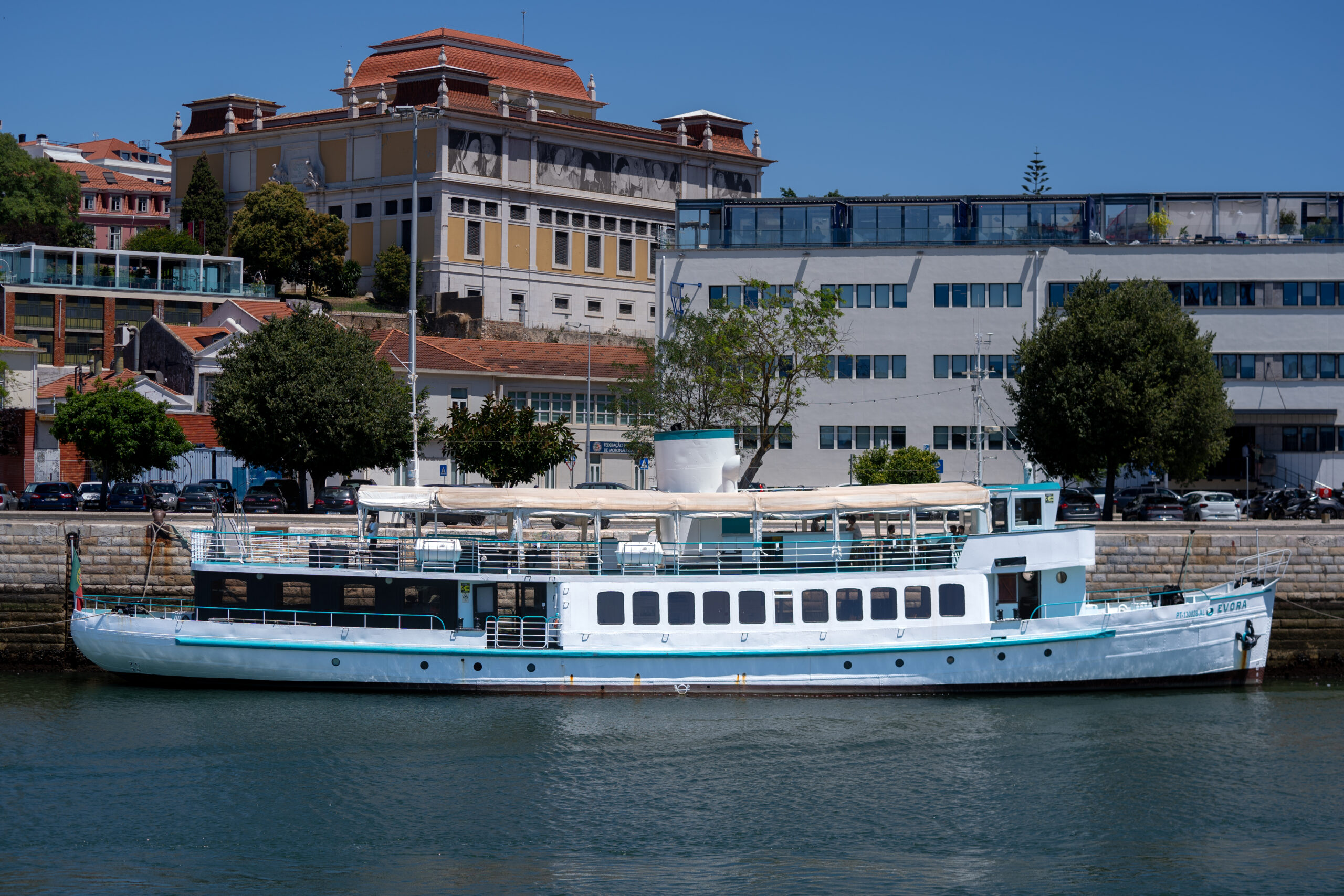
There is one detail that almost never appears in these generic lists: 10 of these 20 attractions can be seen from the Tagus during one short boat trip. On Sardinha do Tejo routes, especially Sunset on Barco EVORA, you pass Cais do Sodré, Ribeira das Naus, Praça do Comércio, Alfama, Cristo Rei, the 25 de Abril Bridge, Belém Tower, the Monument to the Discoveries, MAAT and the Electricity Museum, all in around two hours, with the advantage of seeing Lisbon front on, with no queues, no steep climbs and a completely different sense of scale.
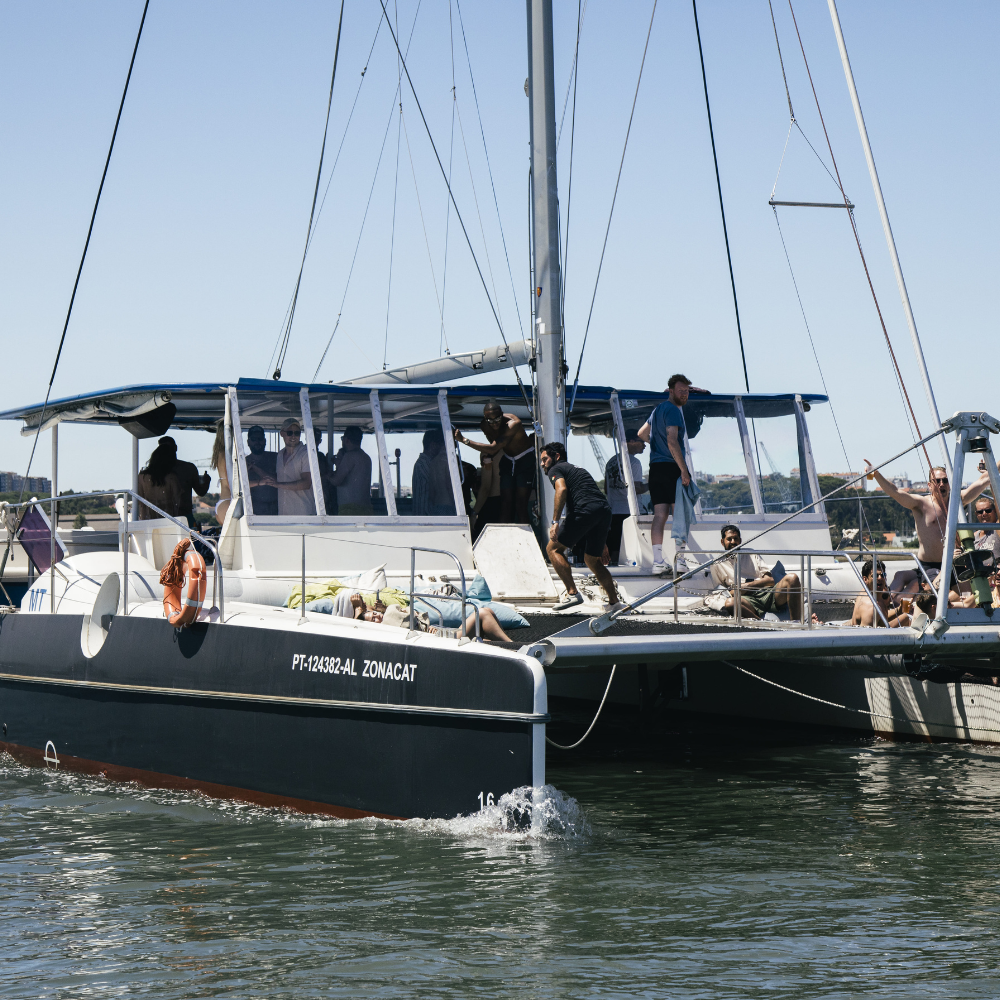
For anyone who wants to choose the right river experience, there are two options worth looking at more carefully: Sunset Catamaran, which is calmer, comfortable and laid back, and Sunset on Barco EVORA, which is livelier and more social.