Best Time of Year to Visit Lisbon, and How Many Days Are Worth Staying
Lisbon works well for visitors through most of the year, which is exactly why so many people answer this question with it depends. But when you compare IPMA climate data with reliable travel guides and the city’s real calendar, the answer becomes much clearer: for most people, the best time to visit Lisbon is between May and June. That is when the city combines long light, pleasant temperatures, less rain than autumn and winter, and none of the weight of the most intense summer period. Strong travel sources repeatedly point to late spring and early autumn as the best overall window, and local sources often highlight May and June as especially good months for feeling Lisbon at its liveliest.
If you force the answer down to one simple choice, May and June are the strongest months. In May, Lisbon has an average maximum temperature of 23.1 degrees Celsius, and in June it rises to 26.1 degrees Celsius. Rain also drops significantly compared with the wetter months, falling to 57.8 millimetres in May and 14.1 millimetres in June, well below the values seen in November, December and January. In practice, that means a city that is easier to walk, more comfortable for viewpoints, historic neighbourhoods and Belém, and friendlier for anyone who wants to spend the day outside without constantly escaping heat or rain.
Why May and June work so well
The strongest argument in favour of these months is balance. August may give you almost guaranteed clear skies, but it also brings more heat and more tourist pressure. IPMA shows average highs of 28.2 degrees Celsius in July and 28.8 degrees Celsius in August, with many more days above 25 and 30 degrees than in May or June. At the same time, several guides underline that summer is the busiest part of the year, while late spring and early autumn usually offer a better relationship between climate, comfort and movement in the city.
There is also one advantage that almost no purely meteorological choice captures very well: atmosphere. June is the month when Lisbon enters its Festas, with historic districts such as Alfama, Bica, Bairro Alto, Castelo and Mouraria especially alive. Visit Lisboa and Visit Portugal are both very clear in putting June at the centre of the city’s popular celebrations. For anyone who wants a Lisbon that feels more festive, louder and more local, June carries real weight.
What about September and October?
They are not out of the running at all. They sit very close to the top, and for some people they may even be the better choice. If your priority is to see Lisbon more calmly, with less city in full celebration mode and slightly less pressure than at the start of summer, September and October are excellent months. Lonely Planet includes April, May, September and October among the best months to explore Lisbon, and other travel guides move in the same direction, precisely because this period still offers good weather without the weight of peak summer.
Even so, the overall decision stays the same: May and June win on balance. September and October are excellent, but May and June usually give a more satisfying mix of a lively city, long light and that feeling of early season energy, without the wear and tear of a full summer city.
Is summer or winter still worth it?
Yes, but for more specific reasons. Summer is a good season for anyone who wants to combine city and beach. Visit Portugal often highlights the fact that Lisbon is the only European capital with Atlantic beaches nearby, and the region offers several options for people who want to alternate monuments with the coast. The issue is that this advantage comes with more heat and, as a rule, more people. August in particular is often pointed out as a heavier month in terms of crowd levels, even though many locals escape towards the coast.
Winter, on the other hand, is better for people who want softer prices and fewer queues. Tripadvisor recommends November to March, outside the major holidays, for travellers looking for cheaper flights and accommodation, and it also notes that late autumn and winter tend to attract fewer tourists. The trade off is shorter days and more rain: November, December and January are among the wettest months in Lisbon according to IPMA climate normals.
So, what is the best time of year to visit Lisbon?
For most travellers, the best time is May and June. For people who want less heat and a slightly lighter city, September and October run very close. August only makes more sense if the priority is beaches, school holidays or a more intense energy. Winter is better value for price and calm than for the best overall city experience.
And how many days should you stay in Lisbon?
t is worth being direct here too: 3 days is the sweet spot for most people. It is the length that appears most often in the best itineraries because it allows time for the historic centre, Belém and still leaves space for a calmer neighbourhood, a museum or a late afternoon on the Tagus without turning the trip into a race. Earth Trekkers, Go Ask A Local and Rough Guides all converge on this idea, even while accepting that 2 days can cover the essentials and 4 days opens the door to Sintra, Cascais or a slower Lisbon.
If you only have 2 days
Two days are enough for a first reading of the city. You can see the great classics, especially if you organise Lisbon by areas and avoid zigzagging between hills and Belém. Several guides defend exactly that logic: in 2 days you can cover the essentials, but the margin for error is small and the pace tends to be quick. It is a good duration for a well planned weekend, not for a relaxed city break.
If you can choose, stay 3 days
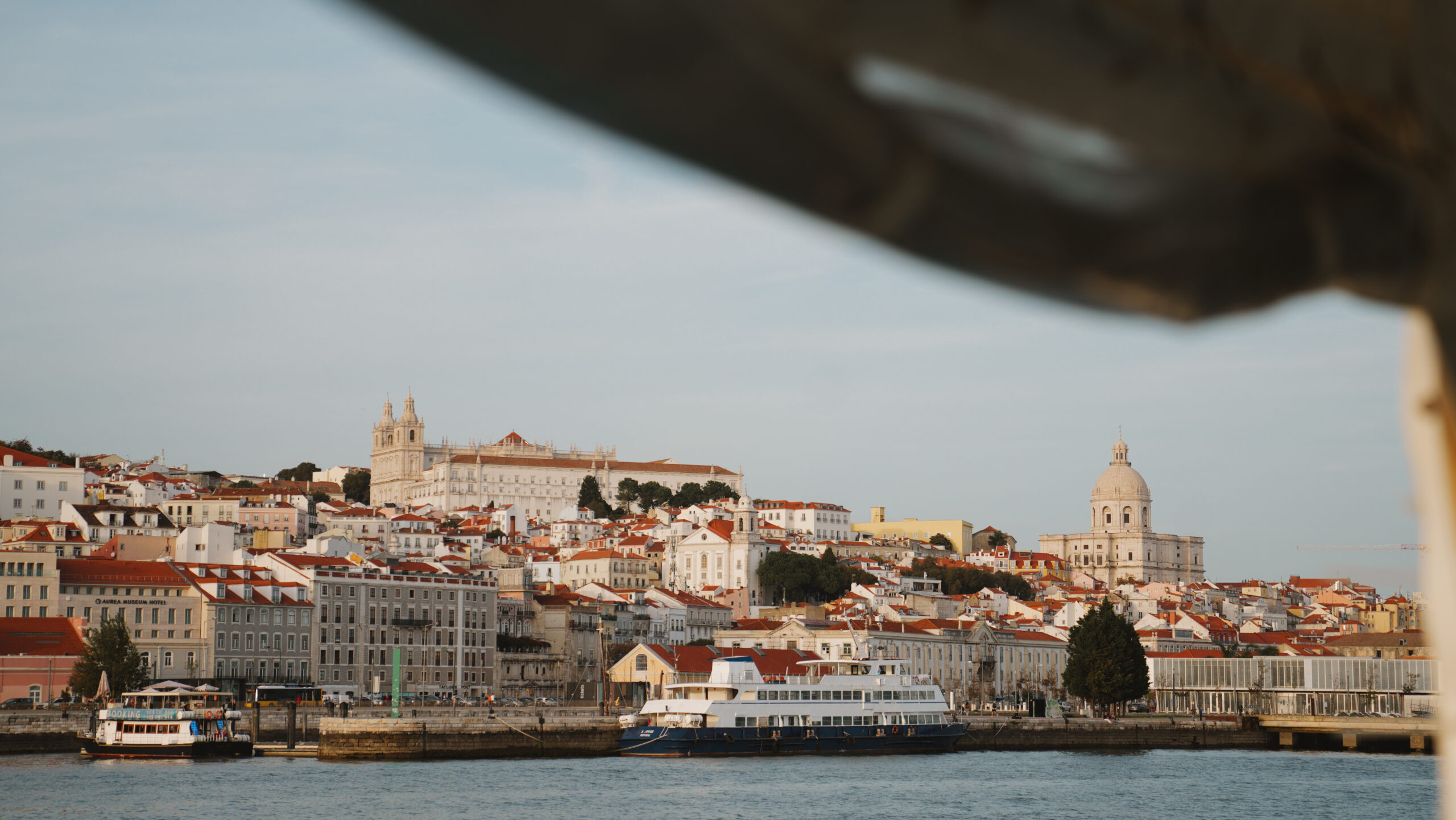
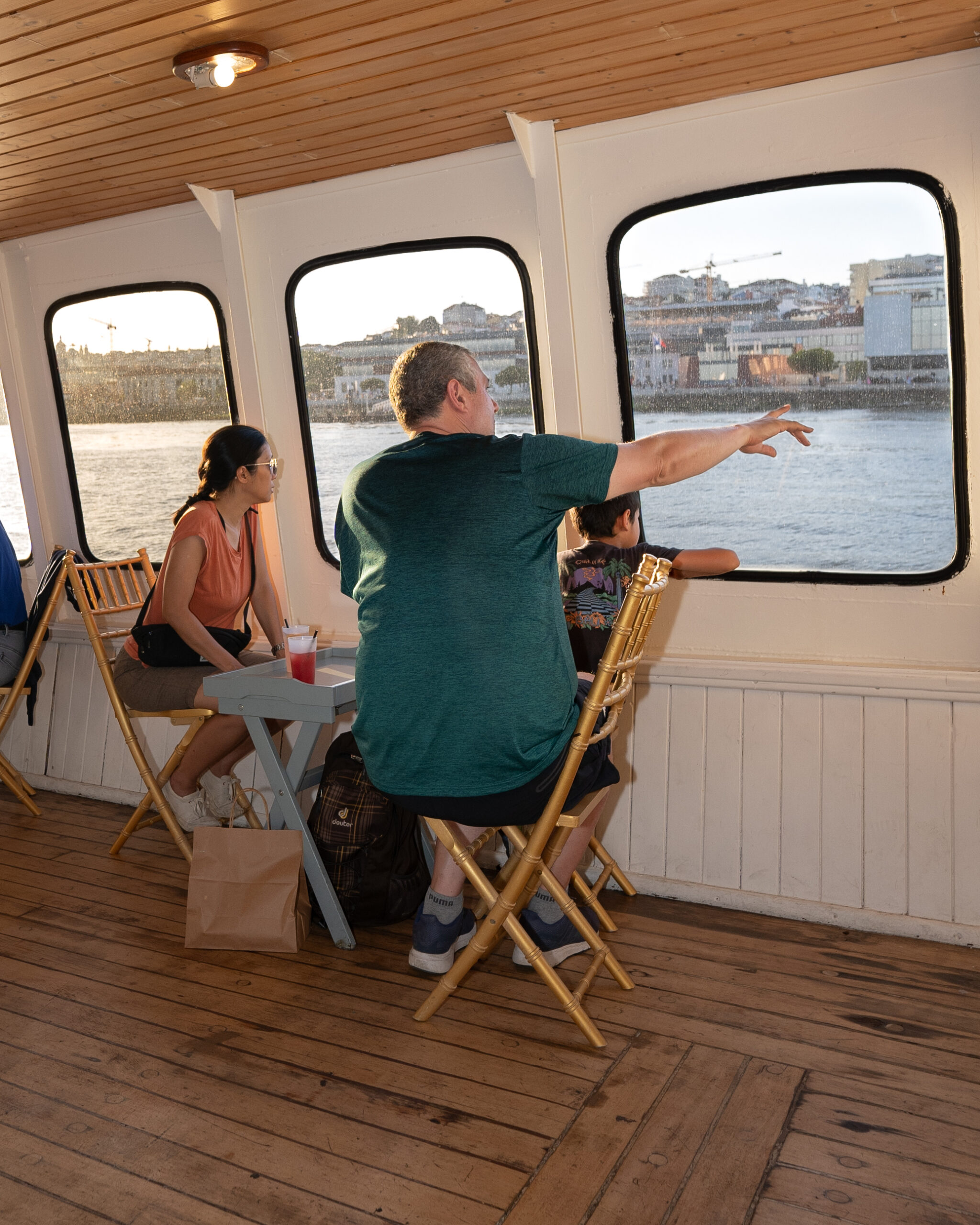
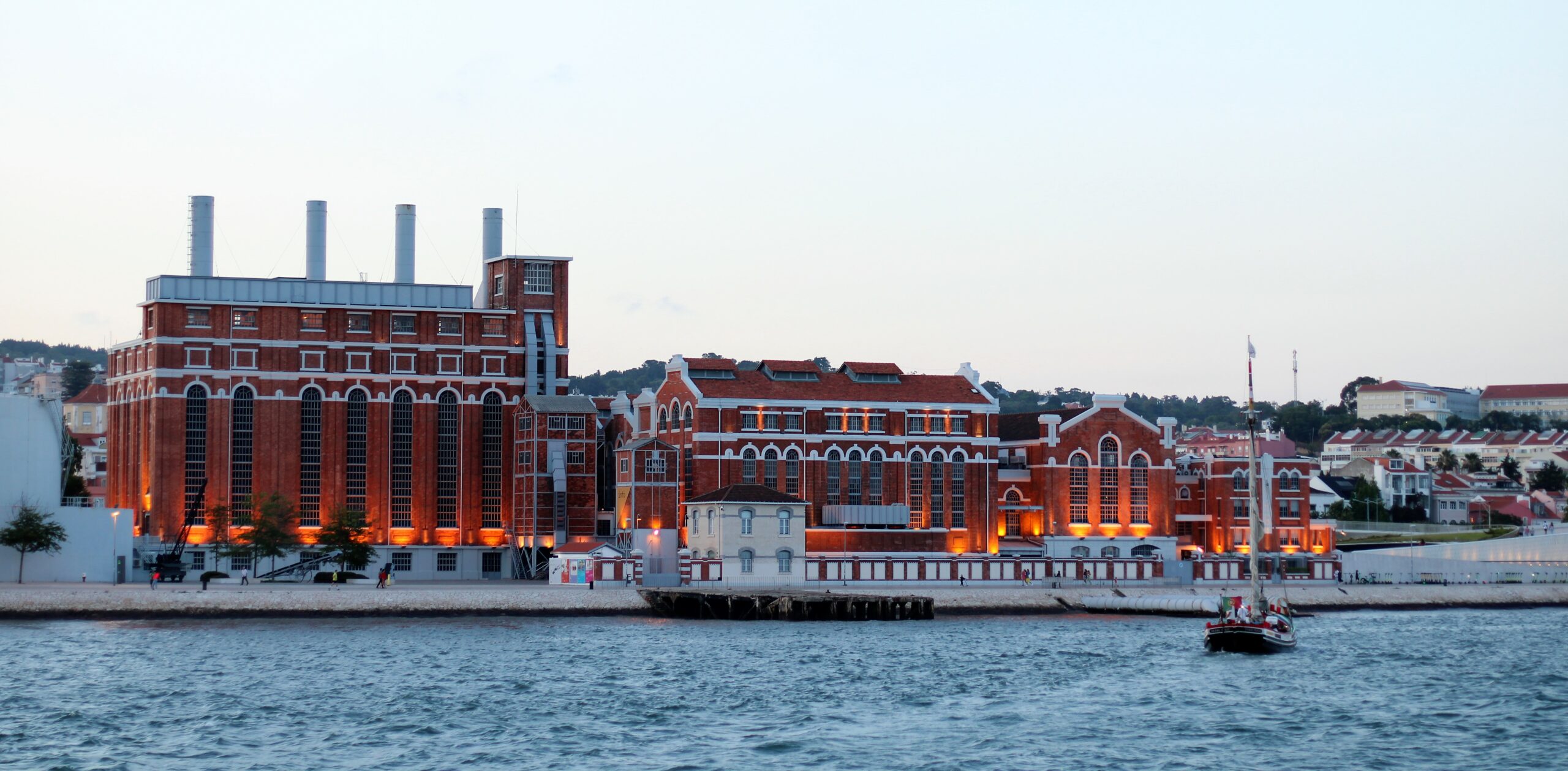
Three days is the best answer for almost everyone. It is enough time to feel the city, not just complete it. It allows you to see the centre, Alfama, Baixa, Chiado and Belém with more air around them, and it still leaves room for one moment that more and more itineraries recommend, seeing Lisbon from the Tagus. Some guides use the third day for Sintra, others keep it for more of the city, but the consensus is clear: 3 days already gives you a serious and satisfying introduction to Lisbon.
And 4 days or more?
Four days starts to become very worthwhile if you want to include a side trip to Sintra or Cascais, visit museums properly or simply stop watching the clock all the time. Rough Guides makes this point very clearly: 4 days opens space to explore the city more deeply or get out nearby. Go Ask A Local goes even further and reminds readers that Lisbon can easily be used as a base for almost a week if you want to explore the metropolitan area and central Portugal.
The detail that improves almost any Lisbon trip
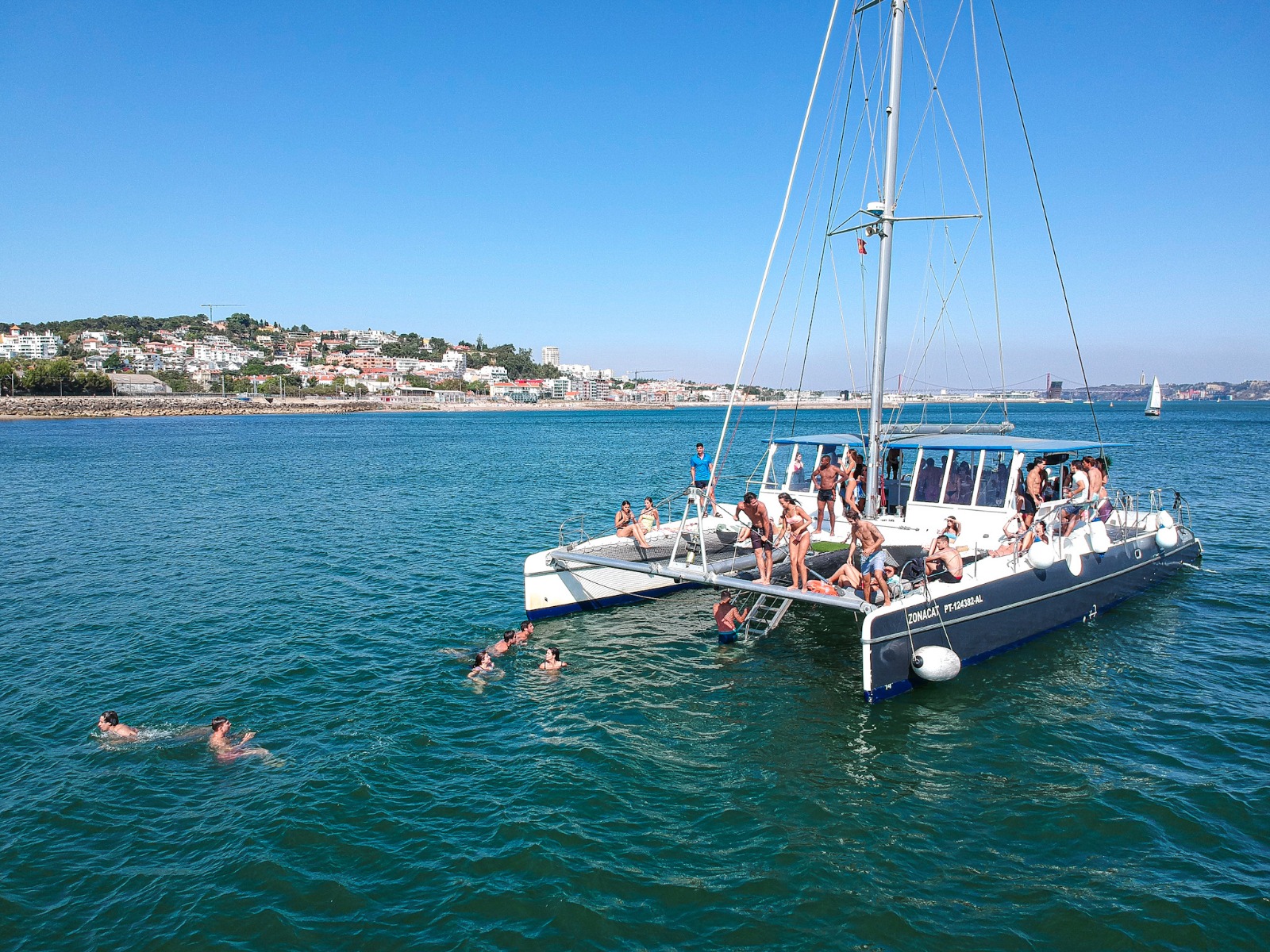
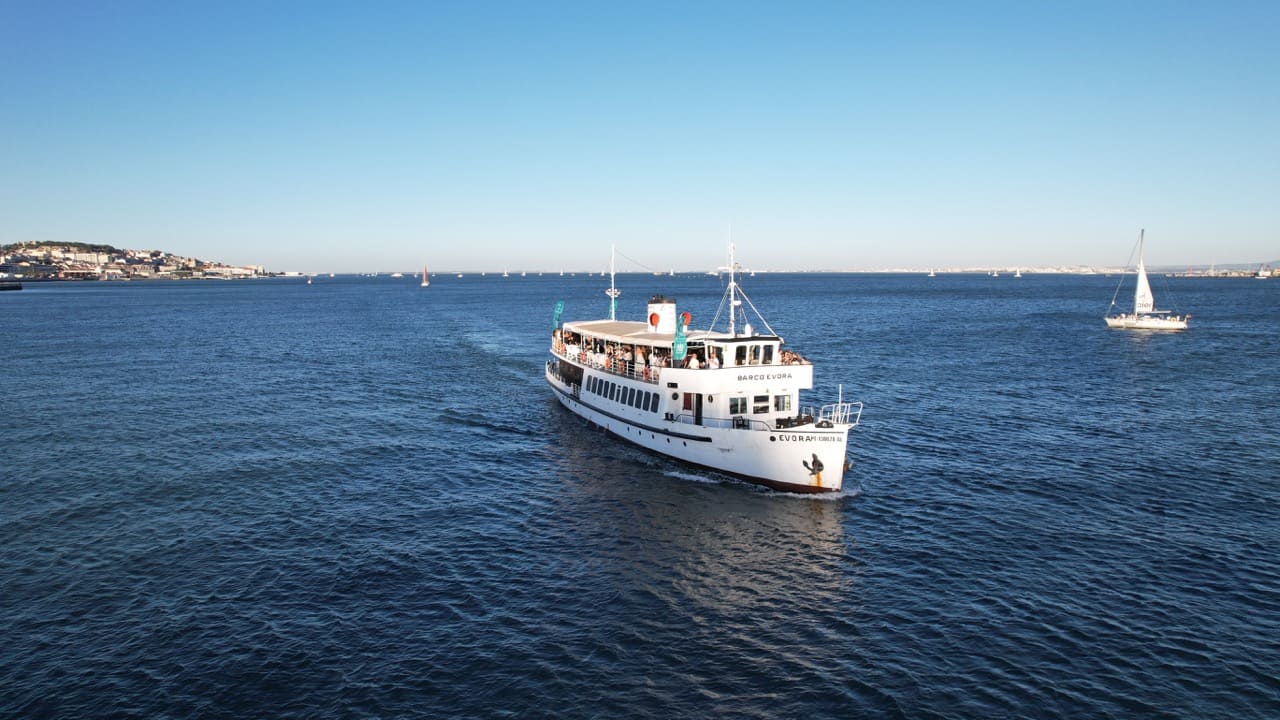
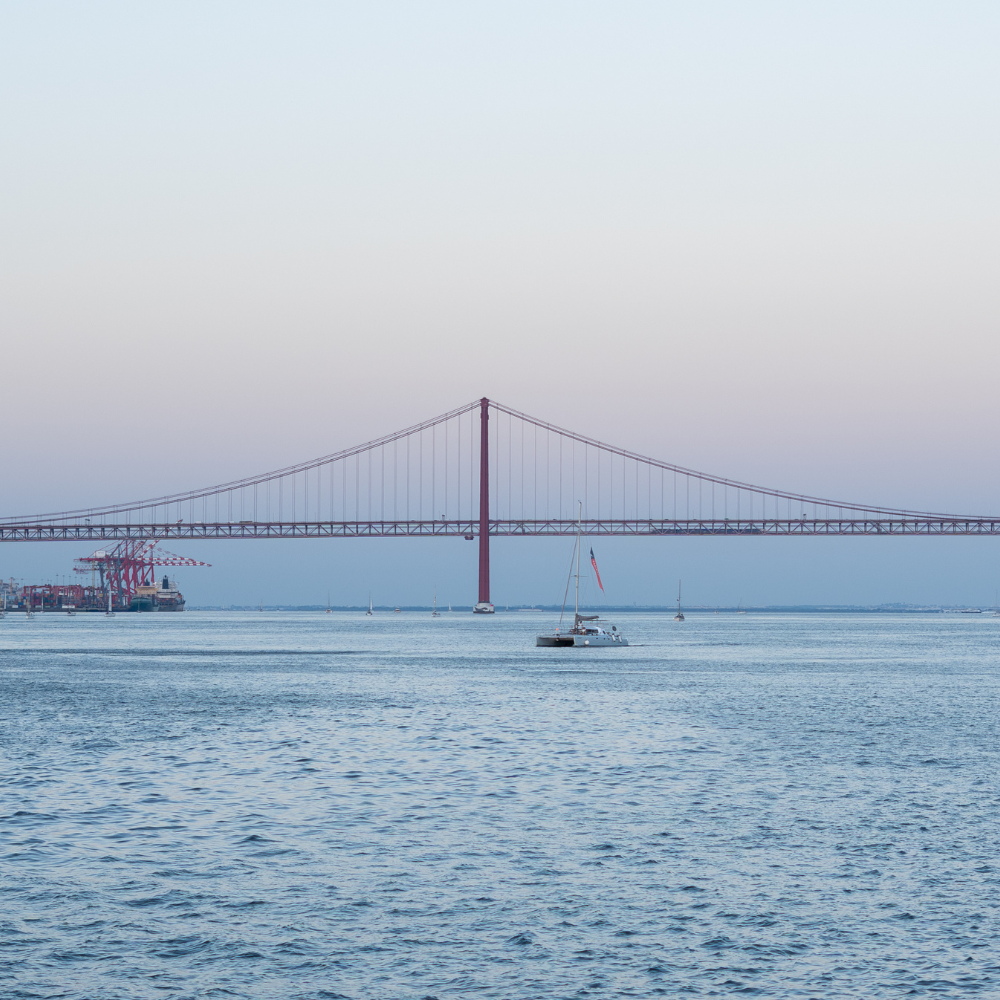
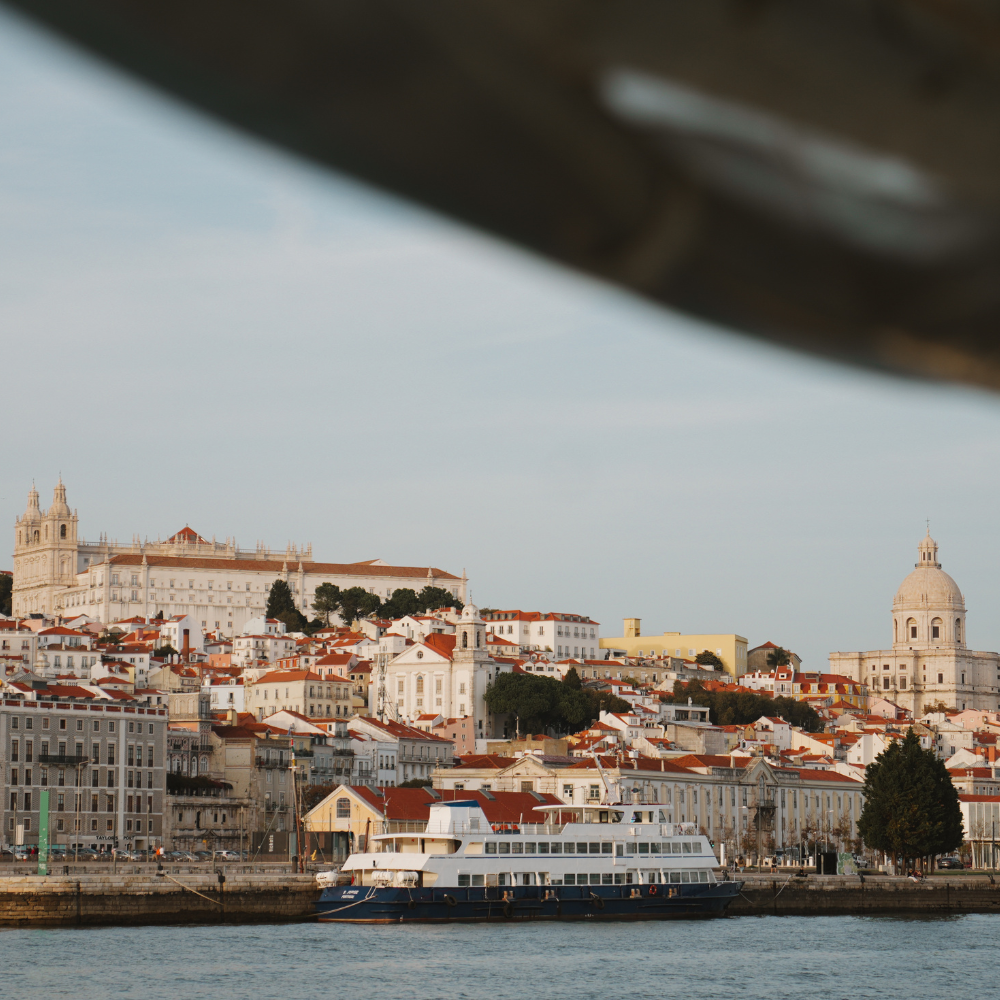
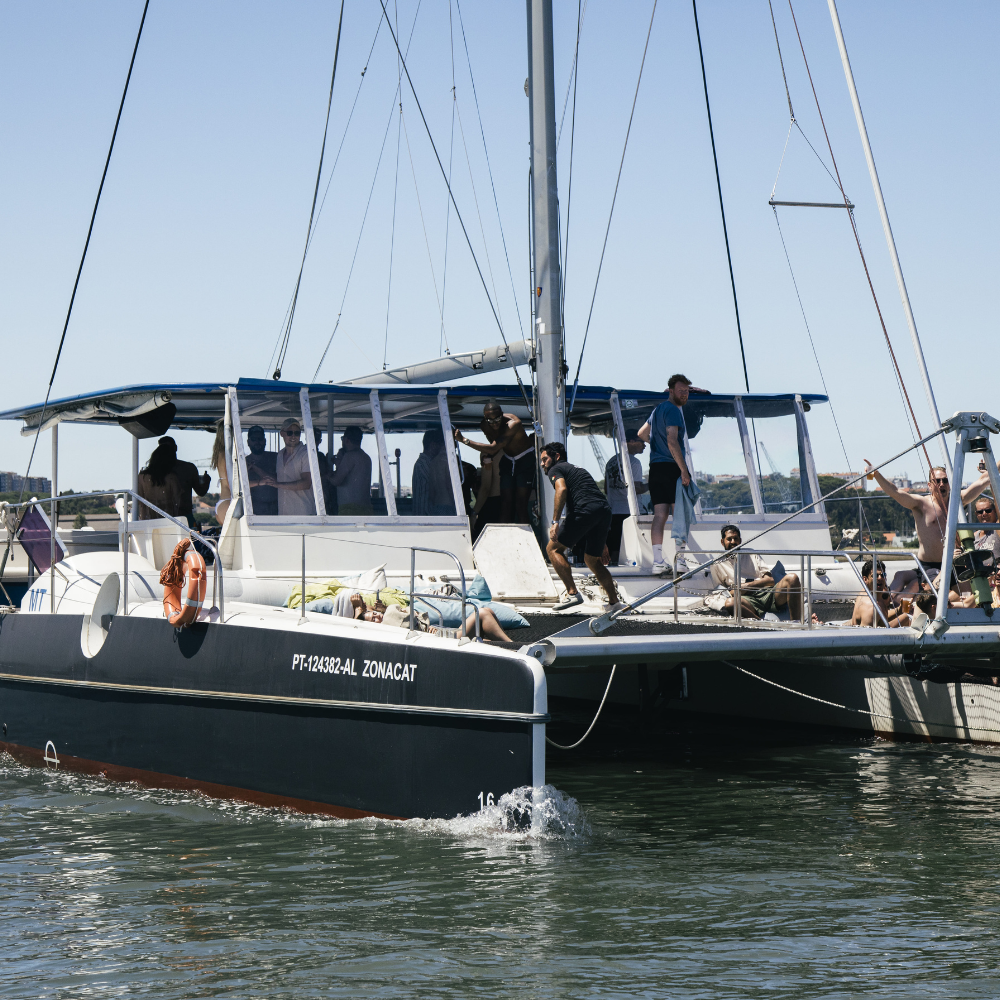
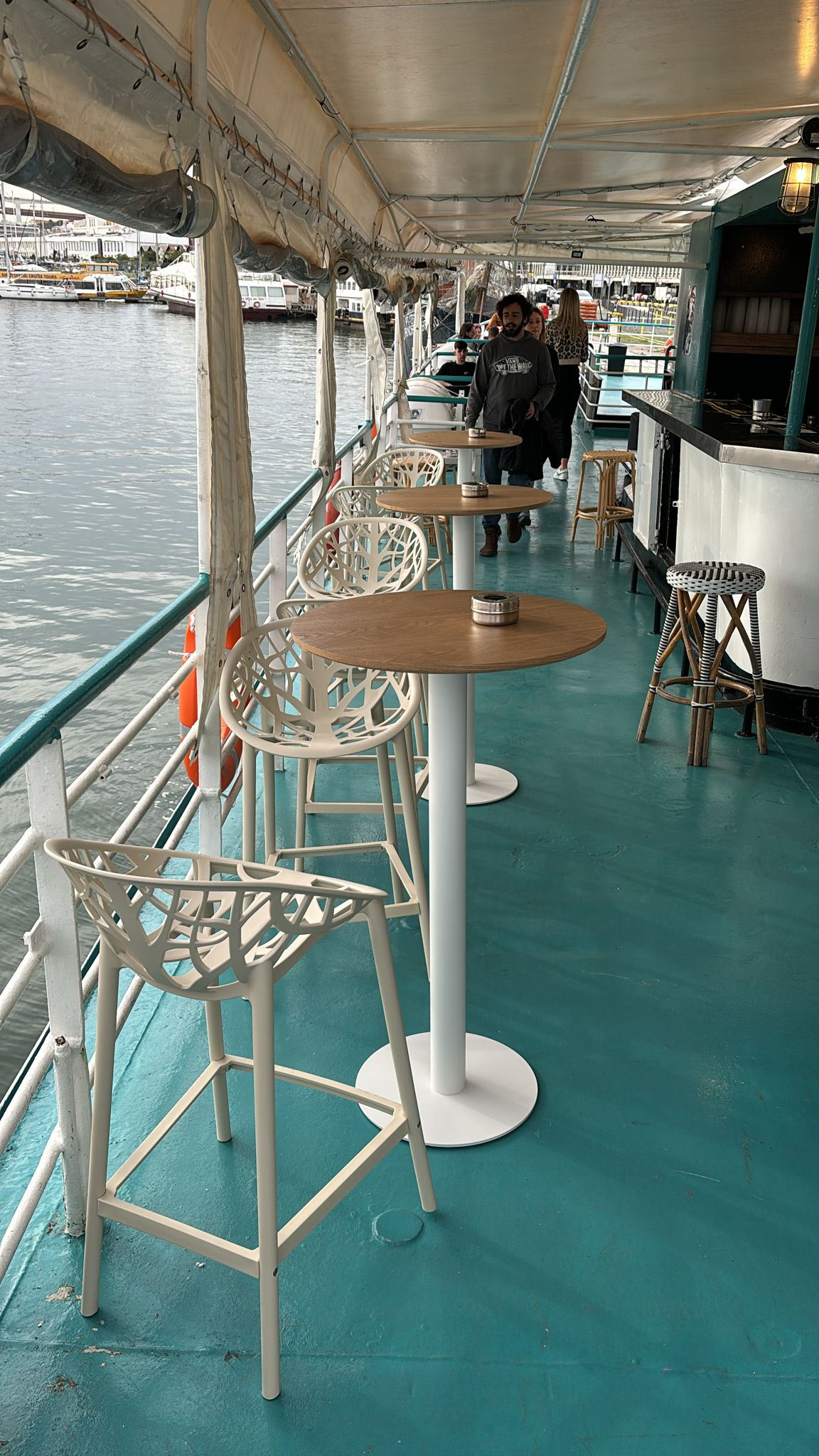
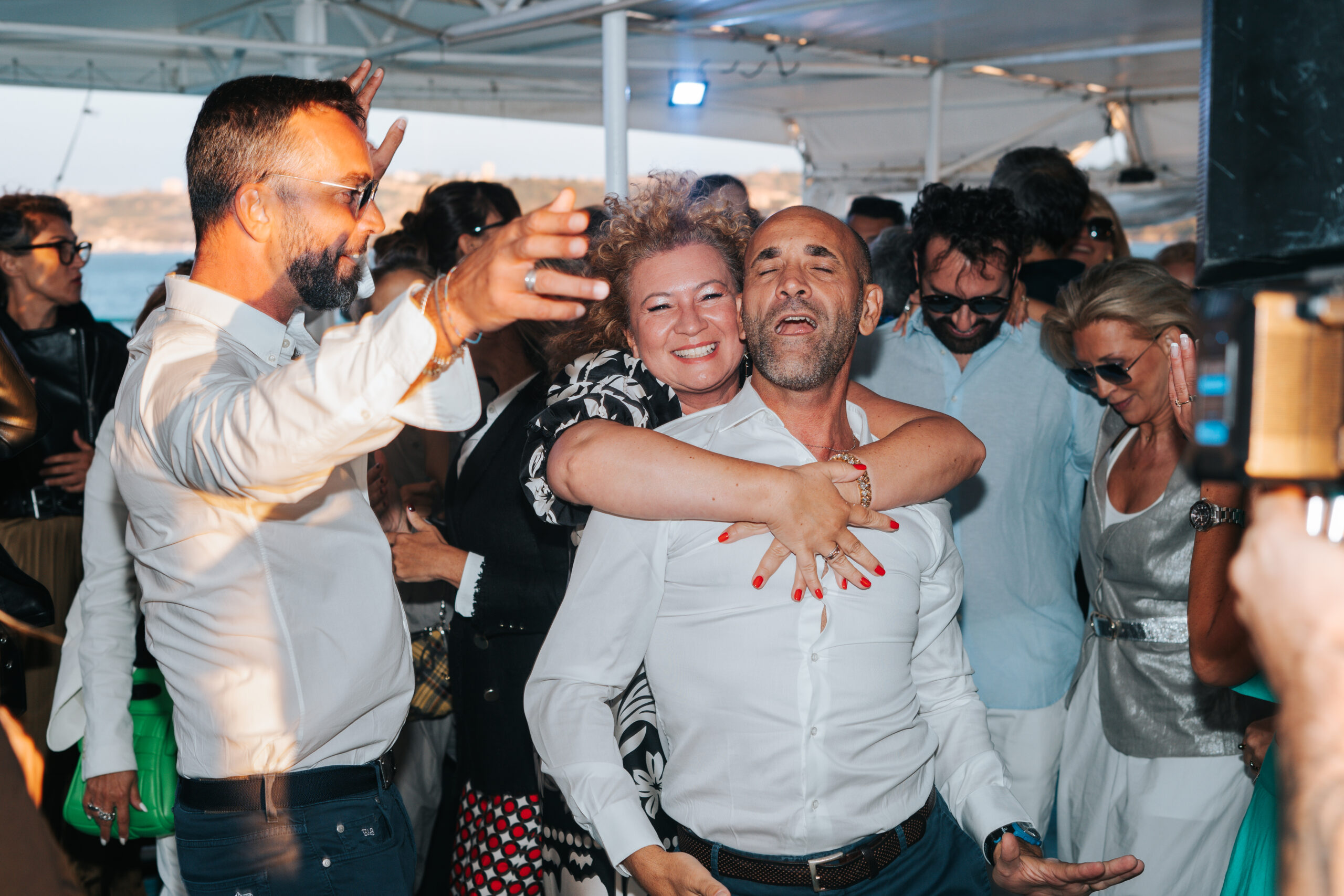
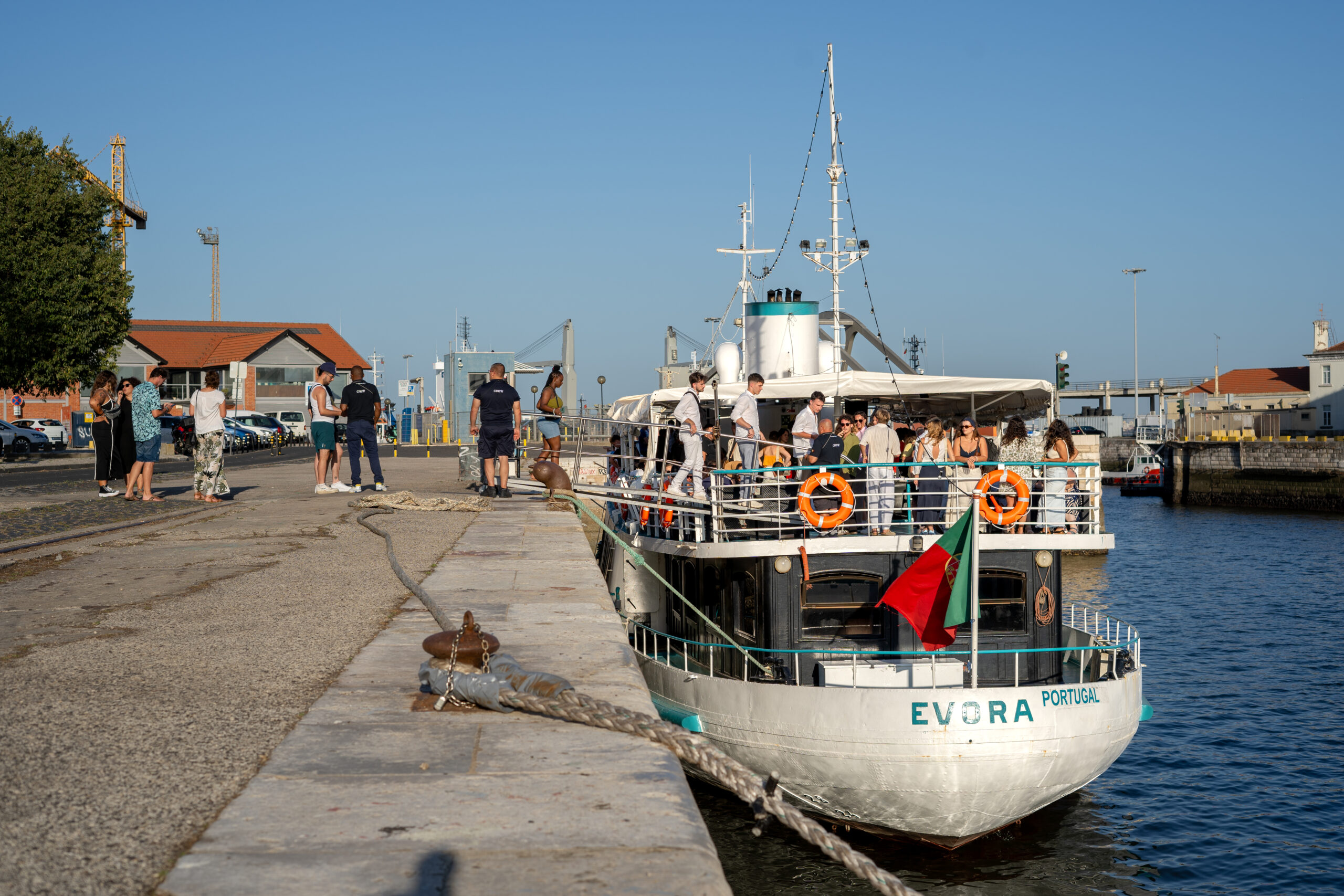
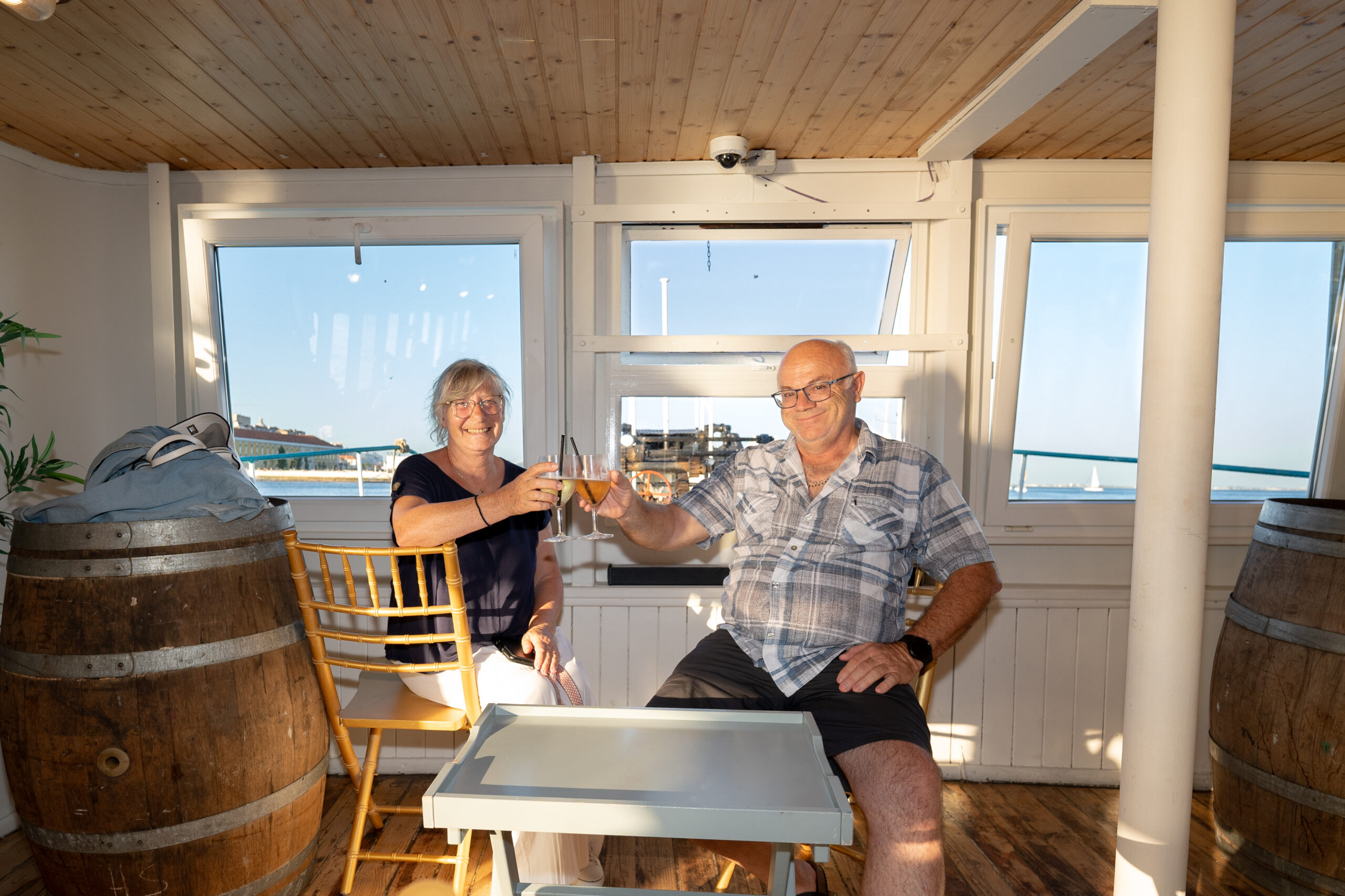
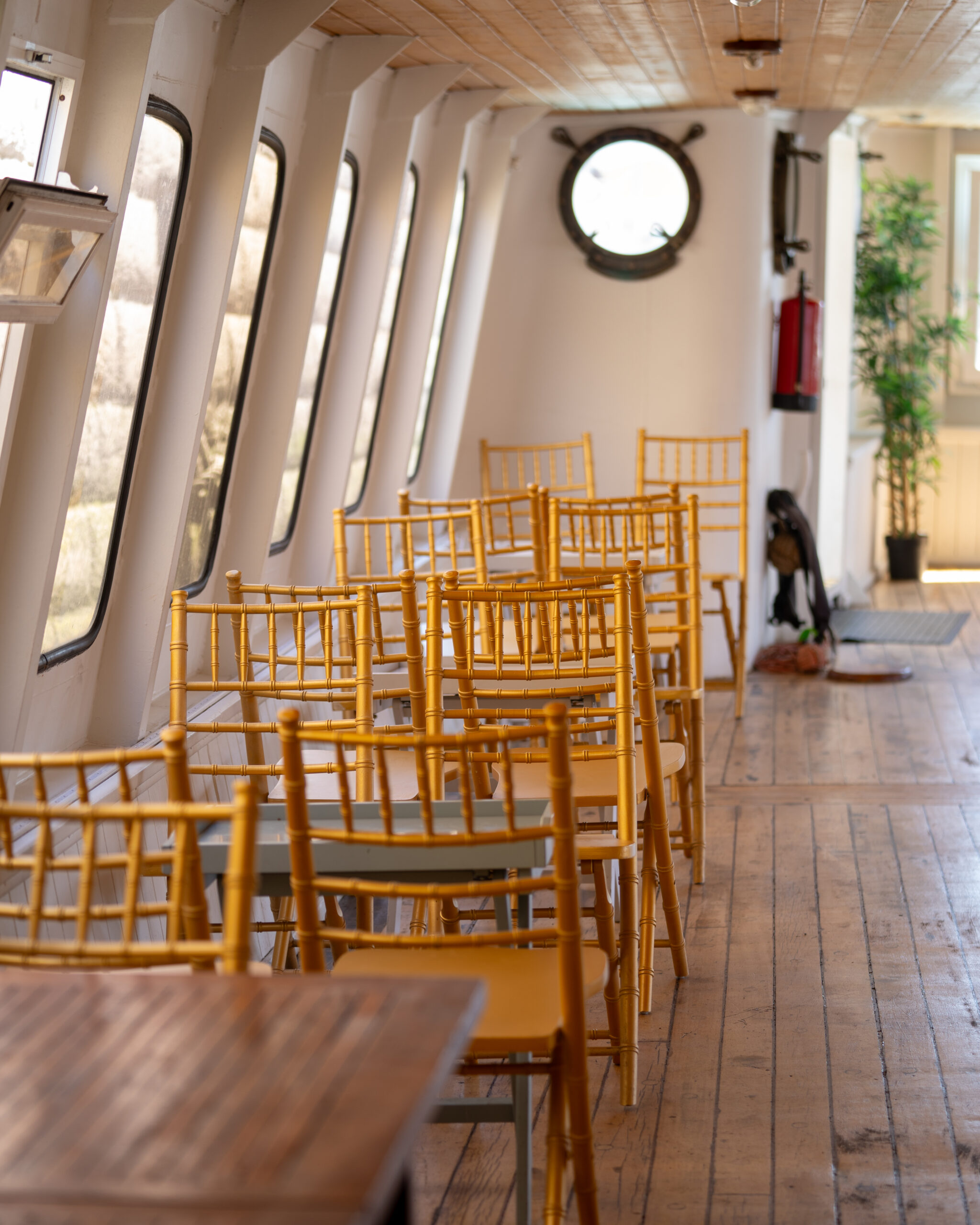
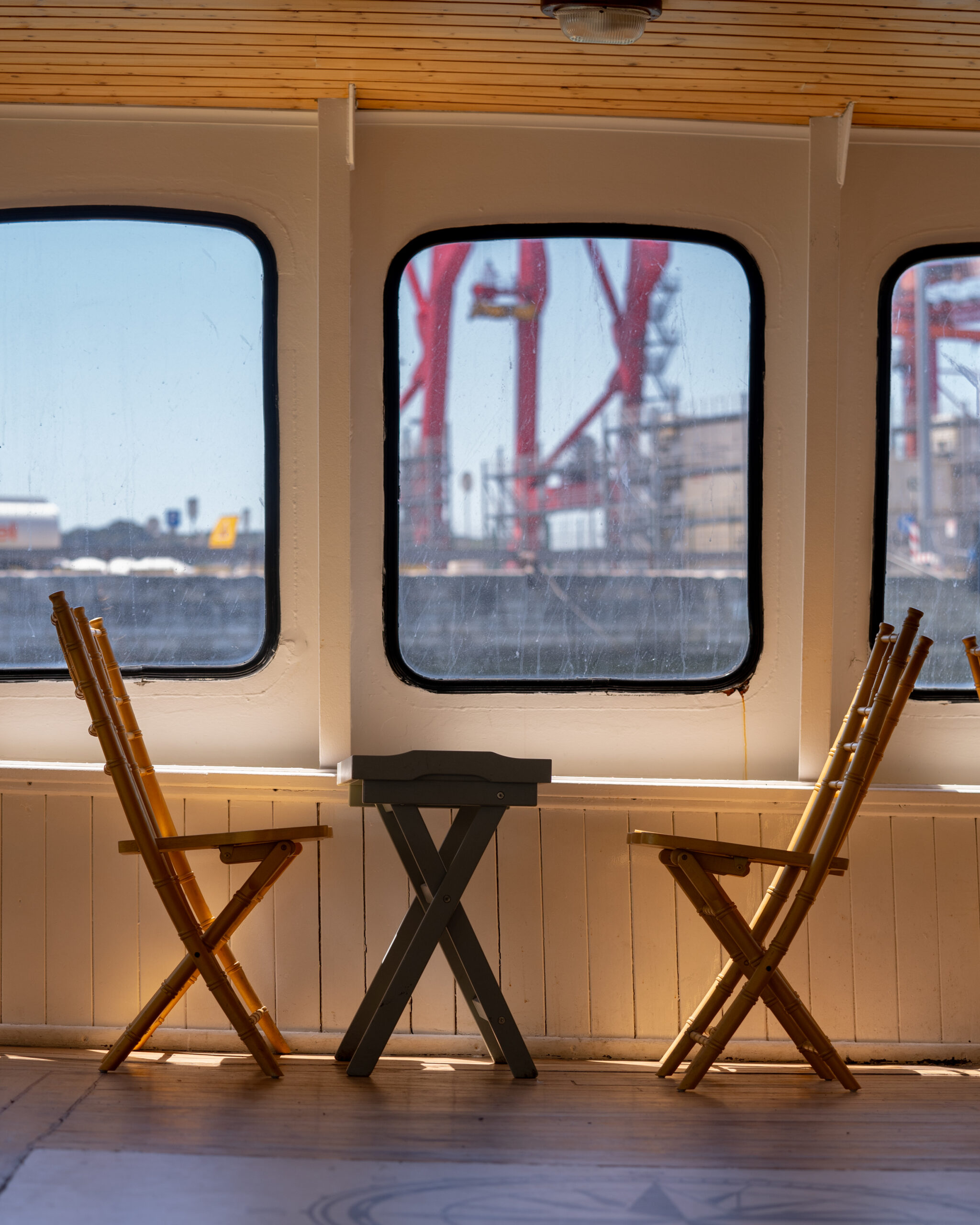
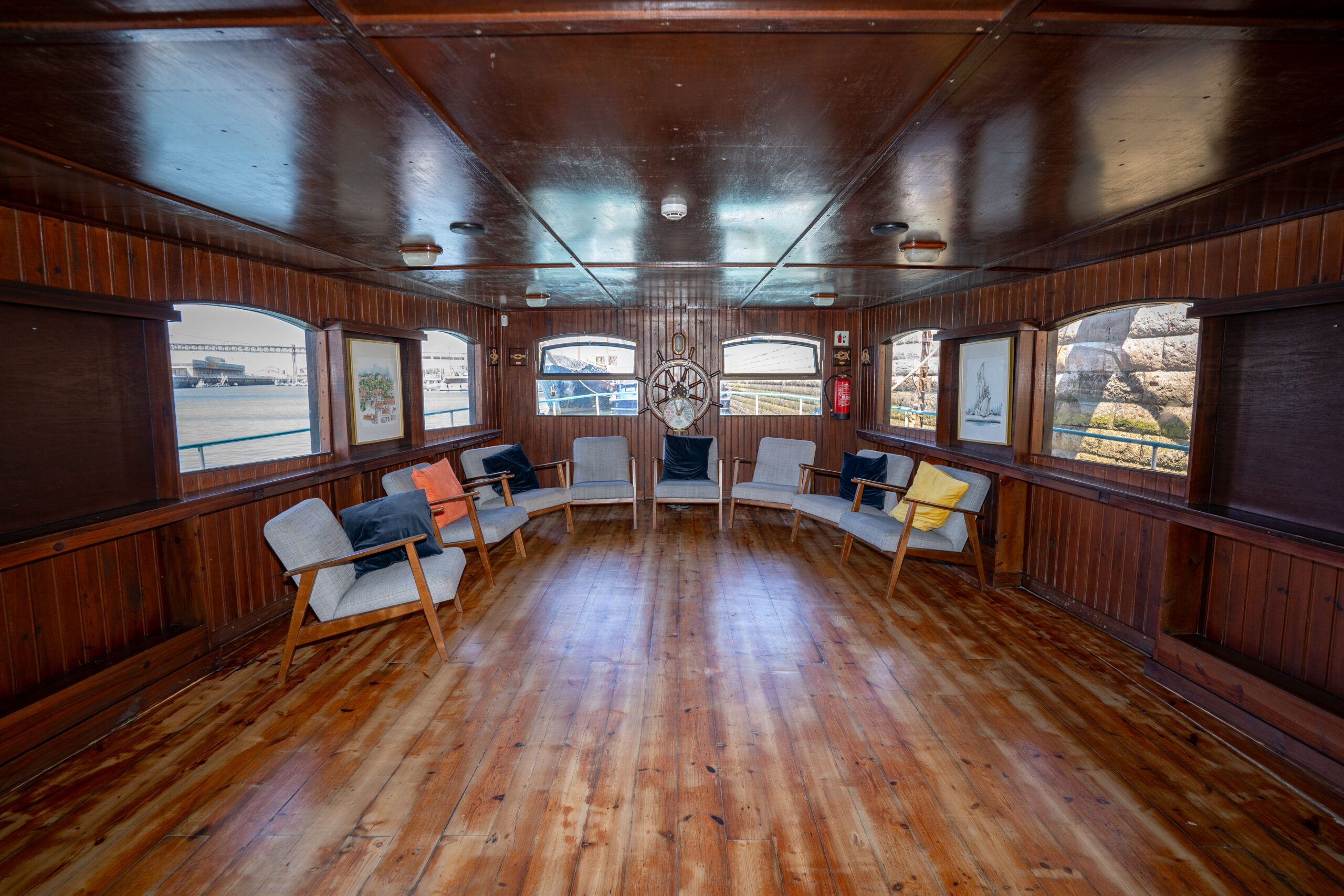
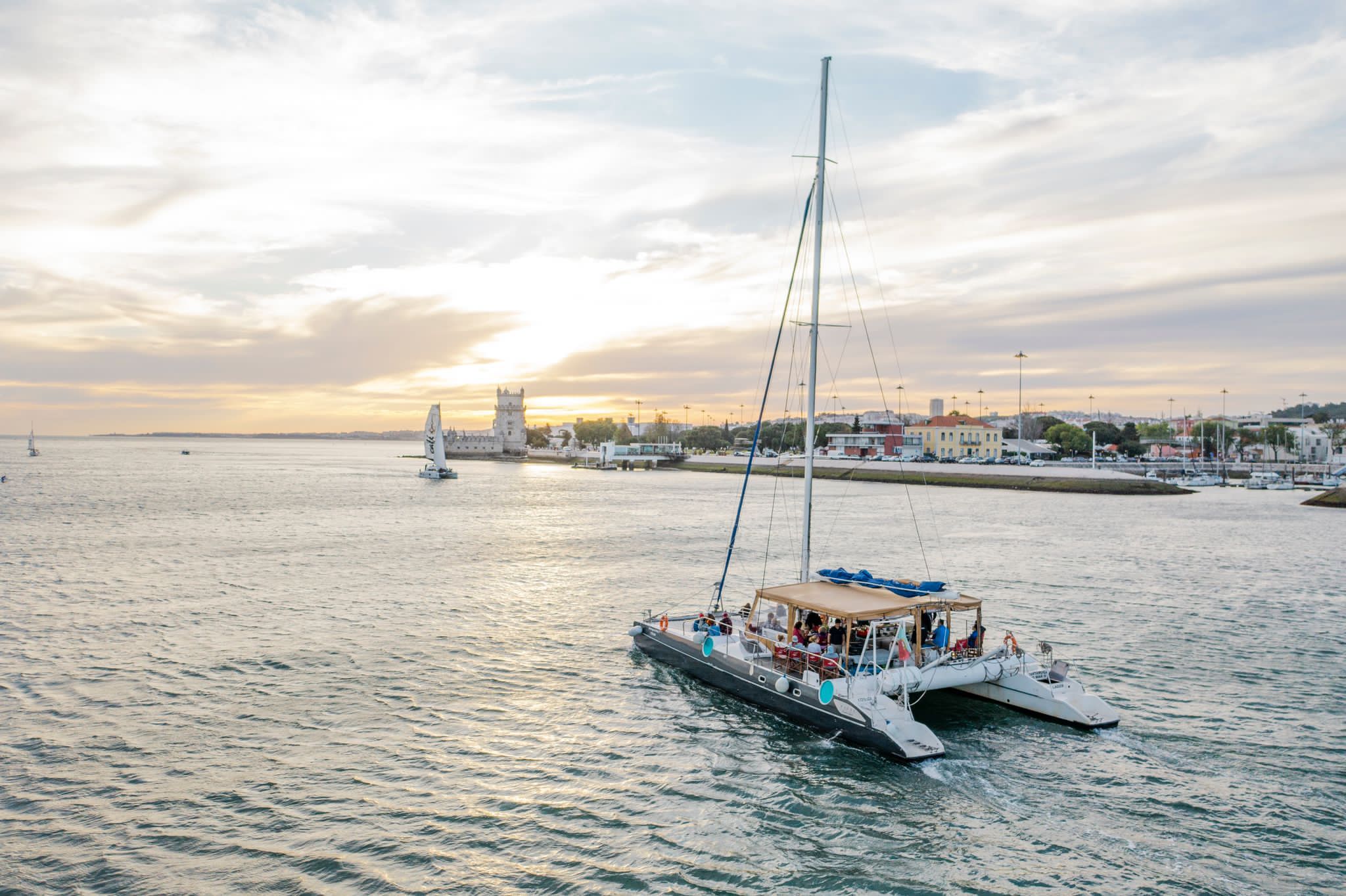
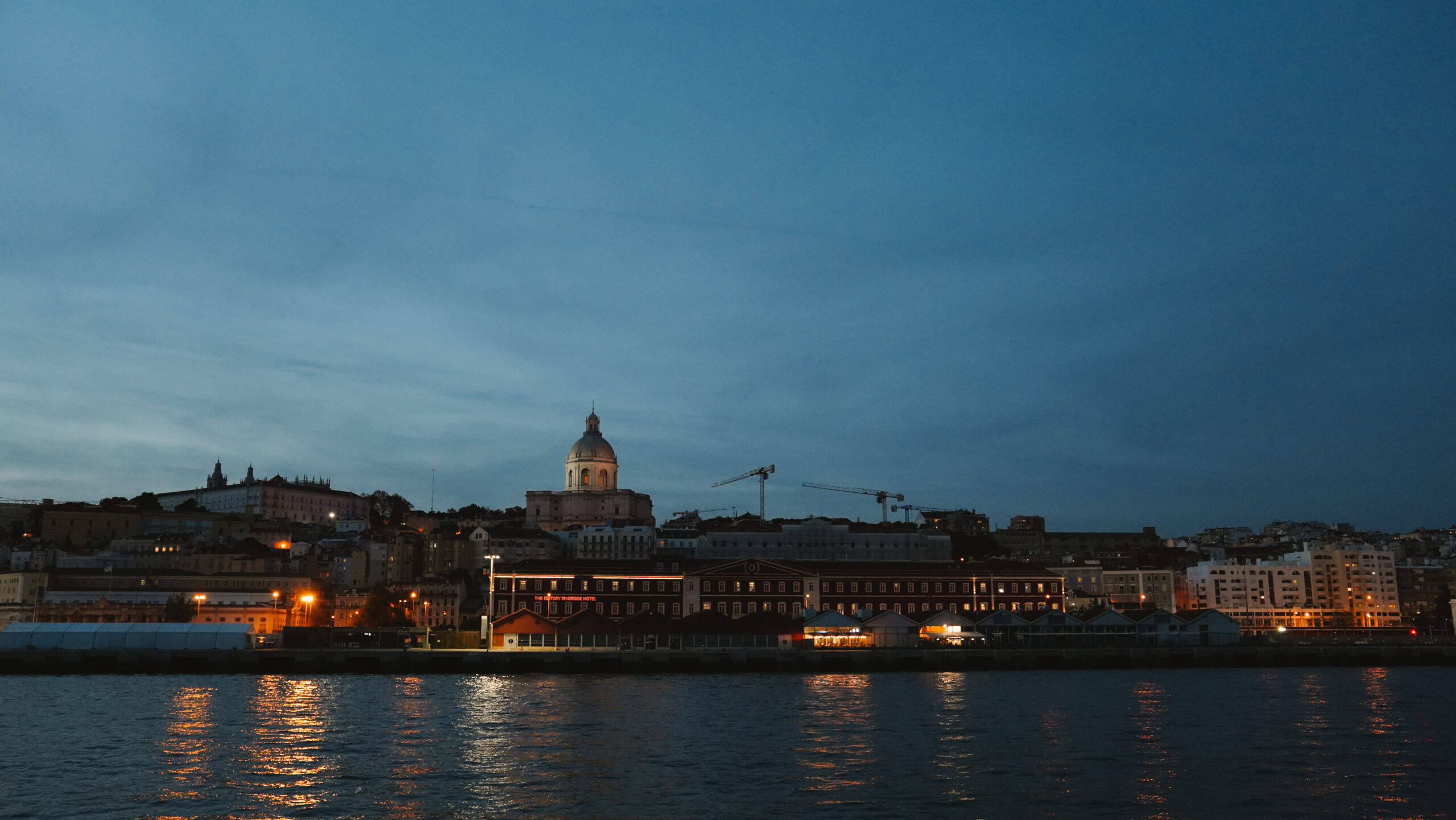
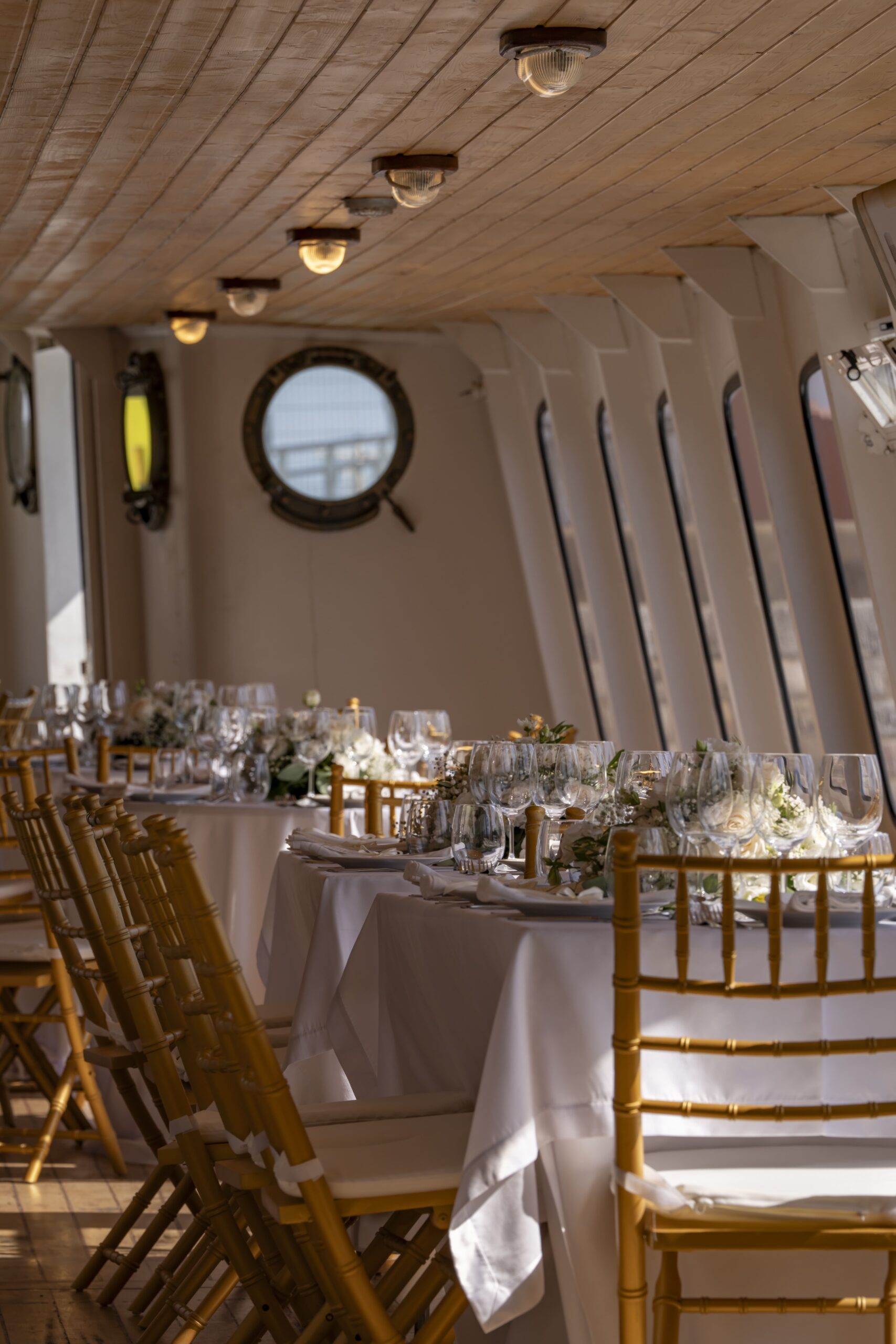
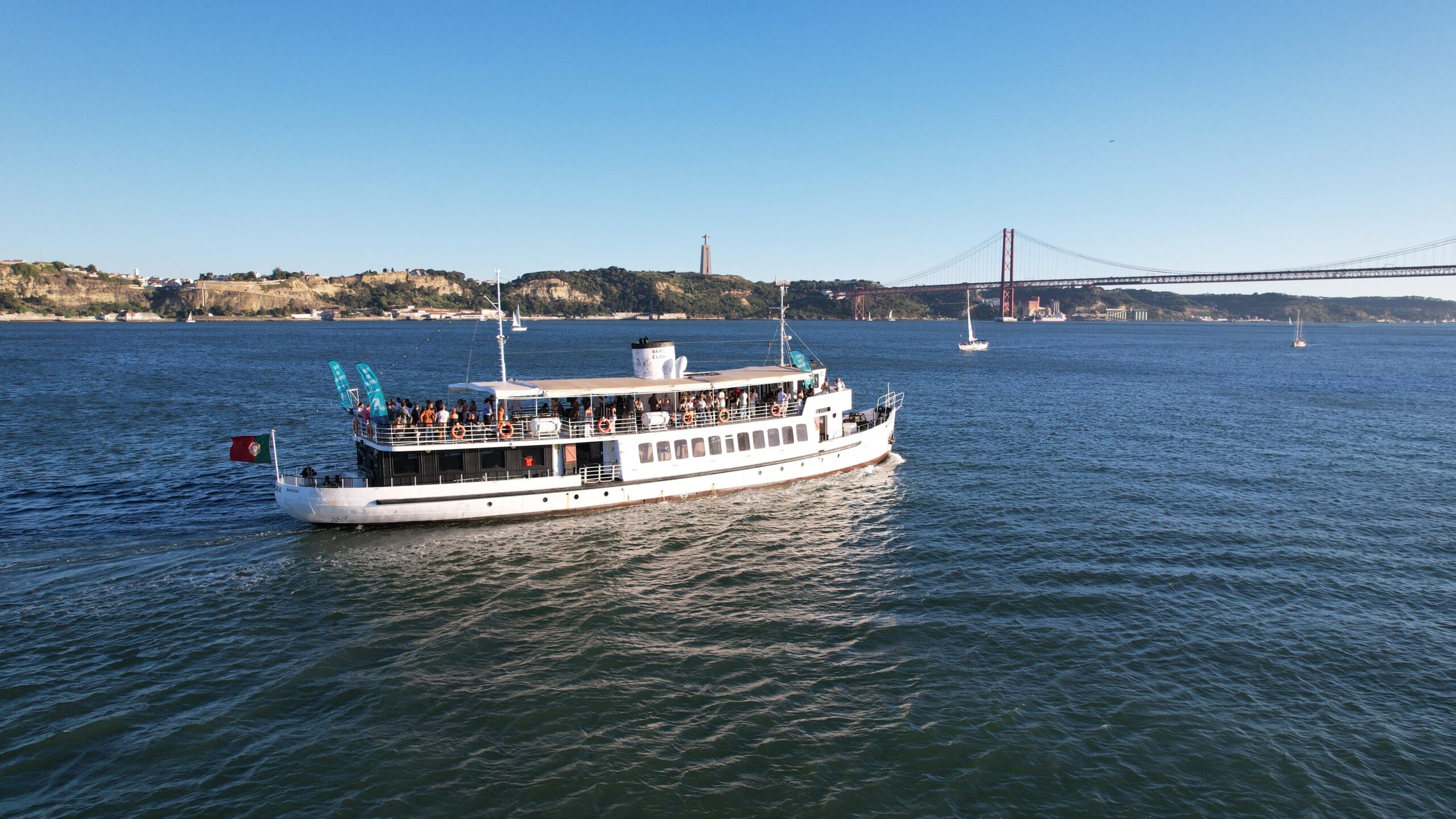
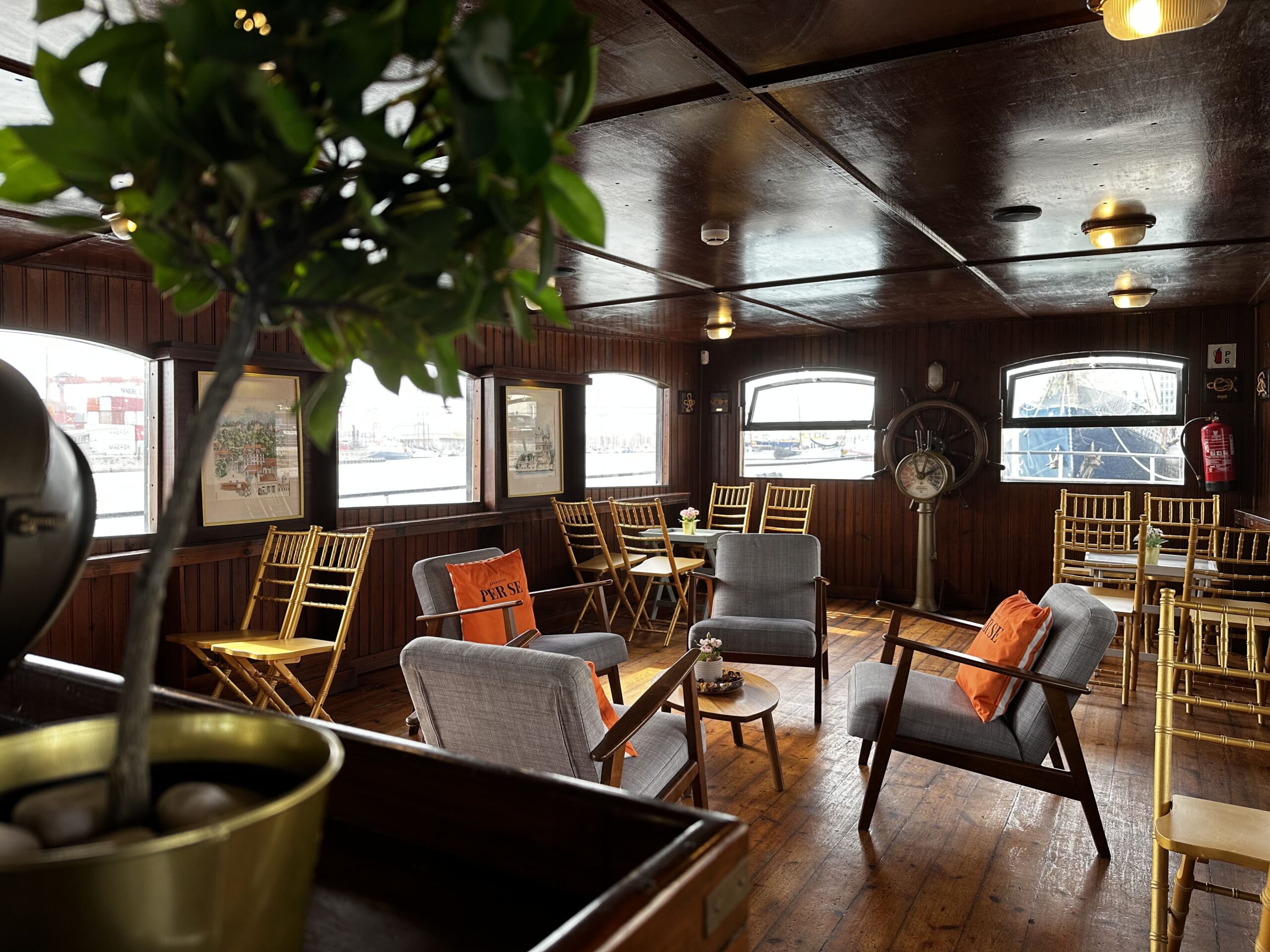
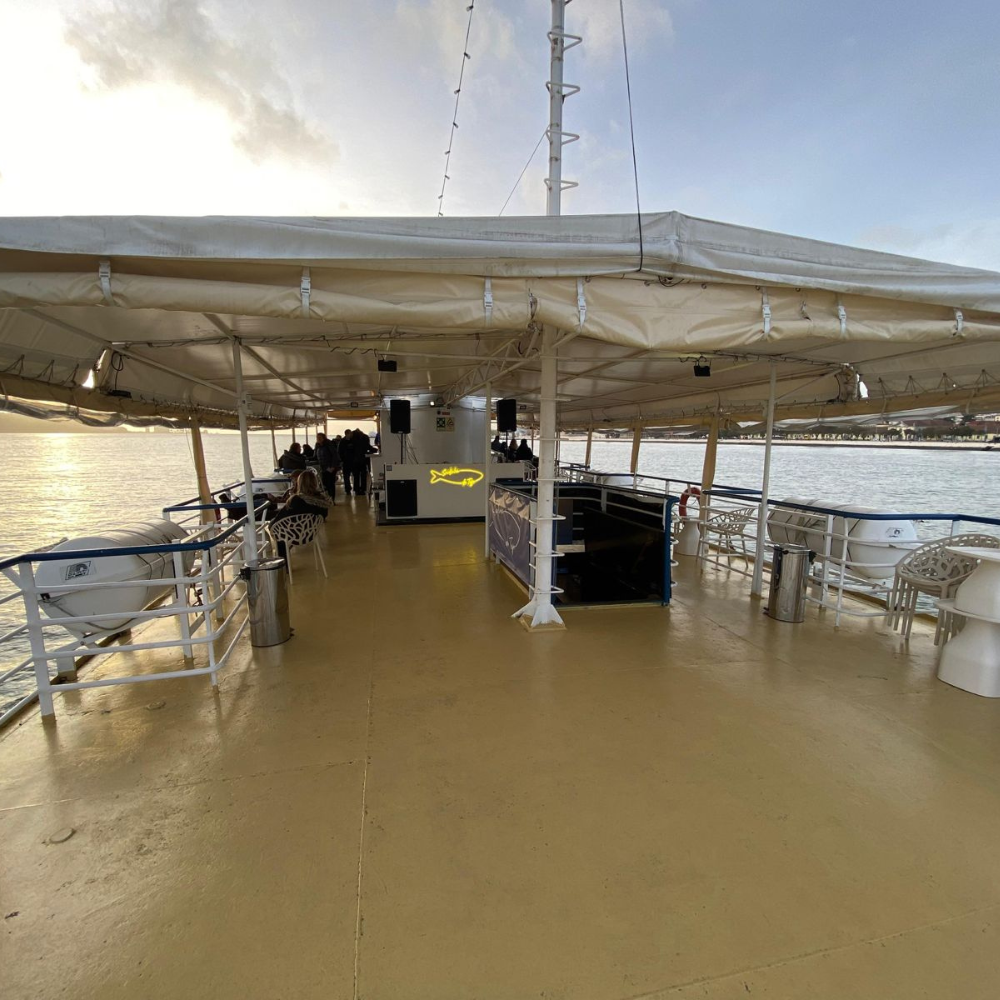
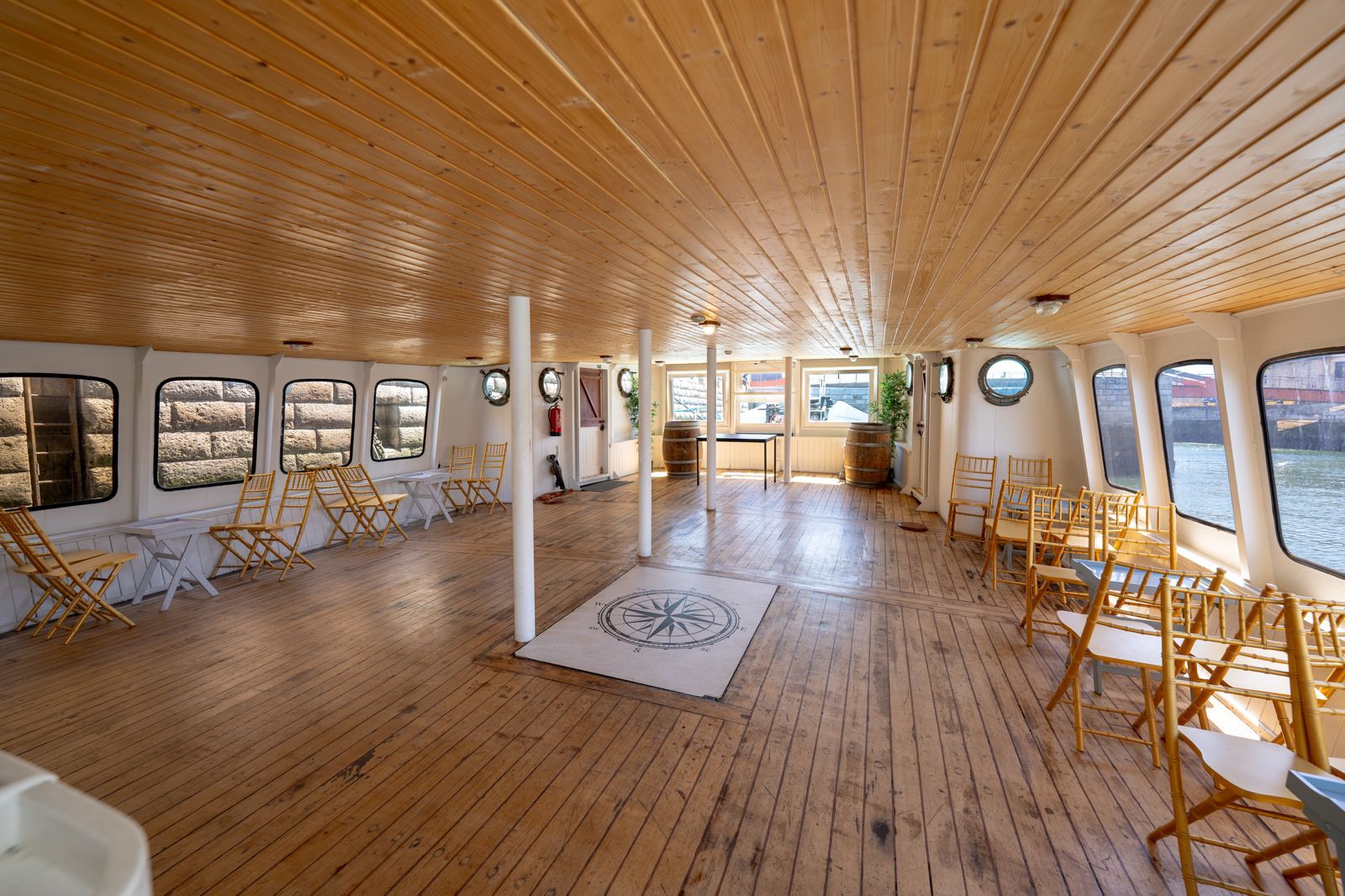
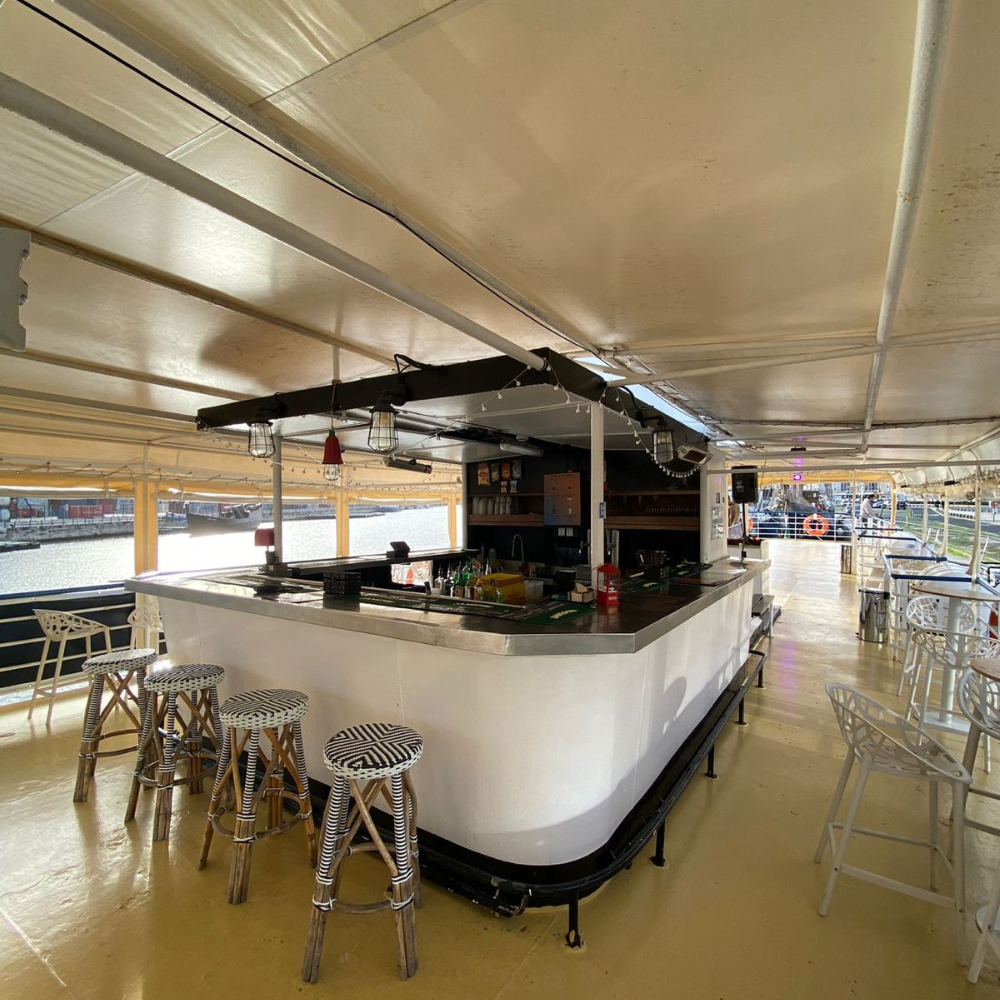
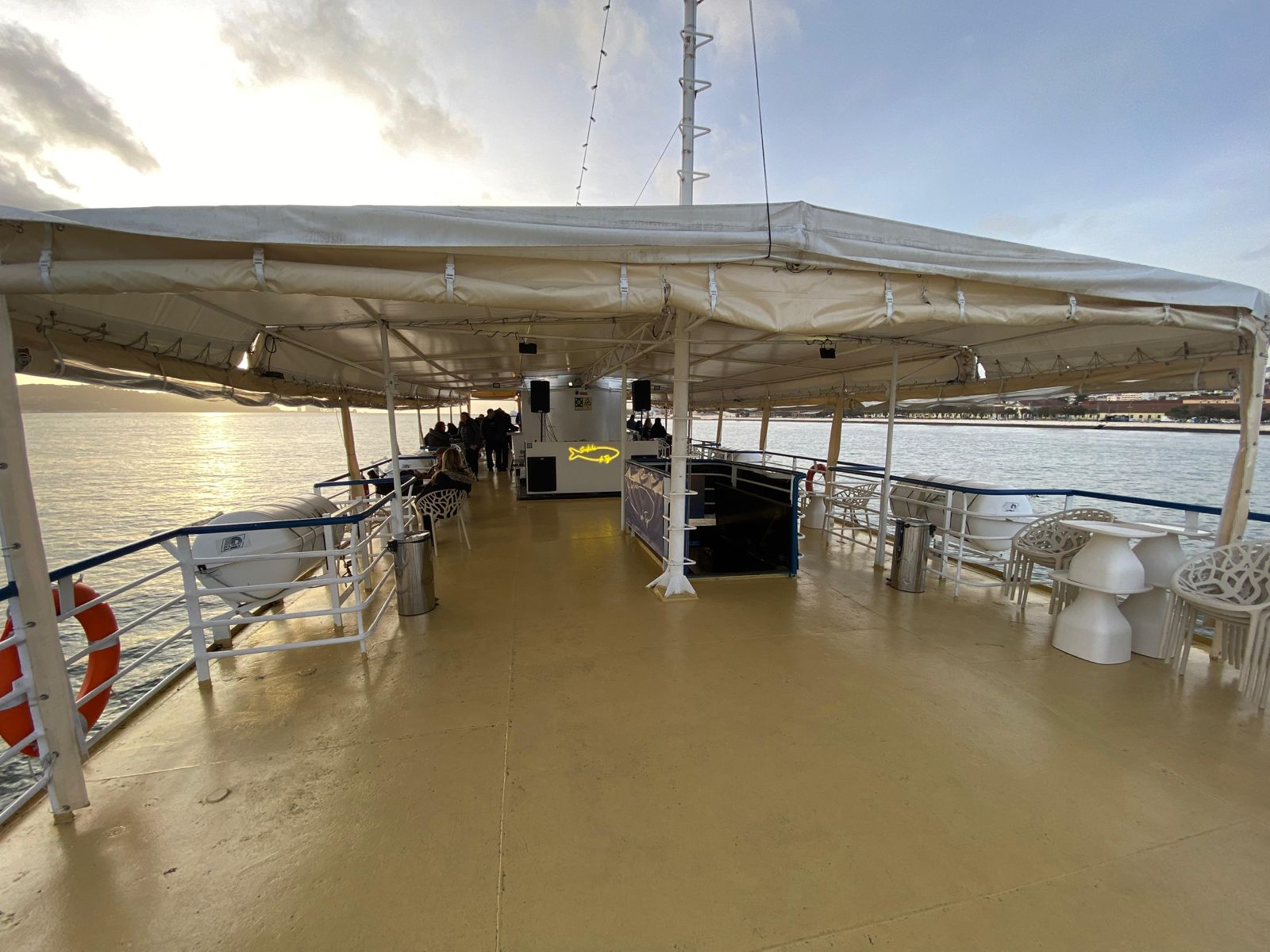
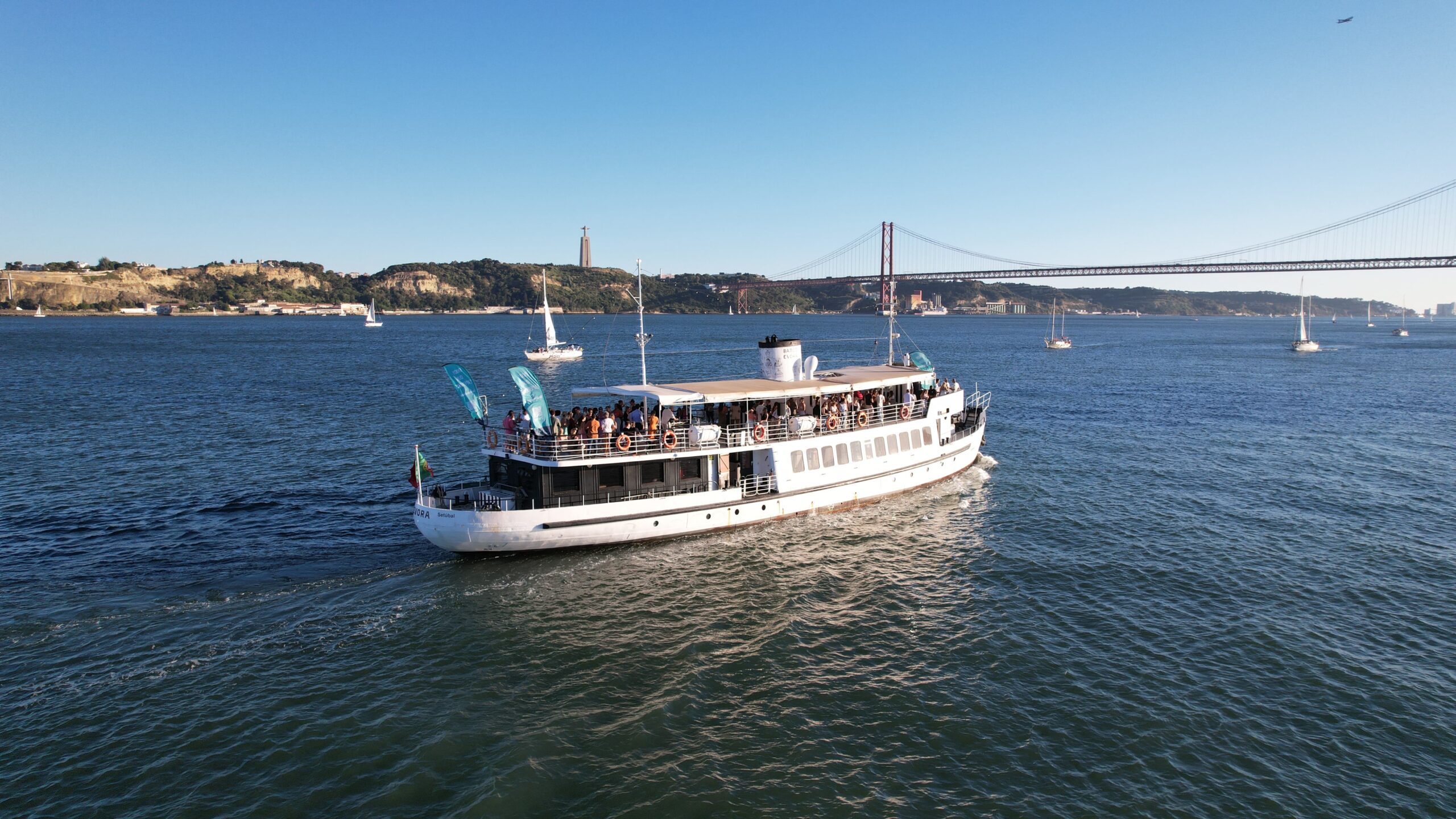
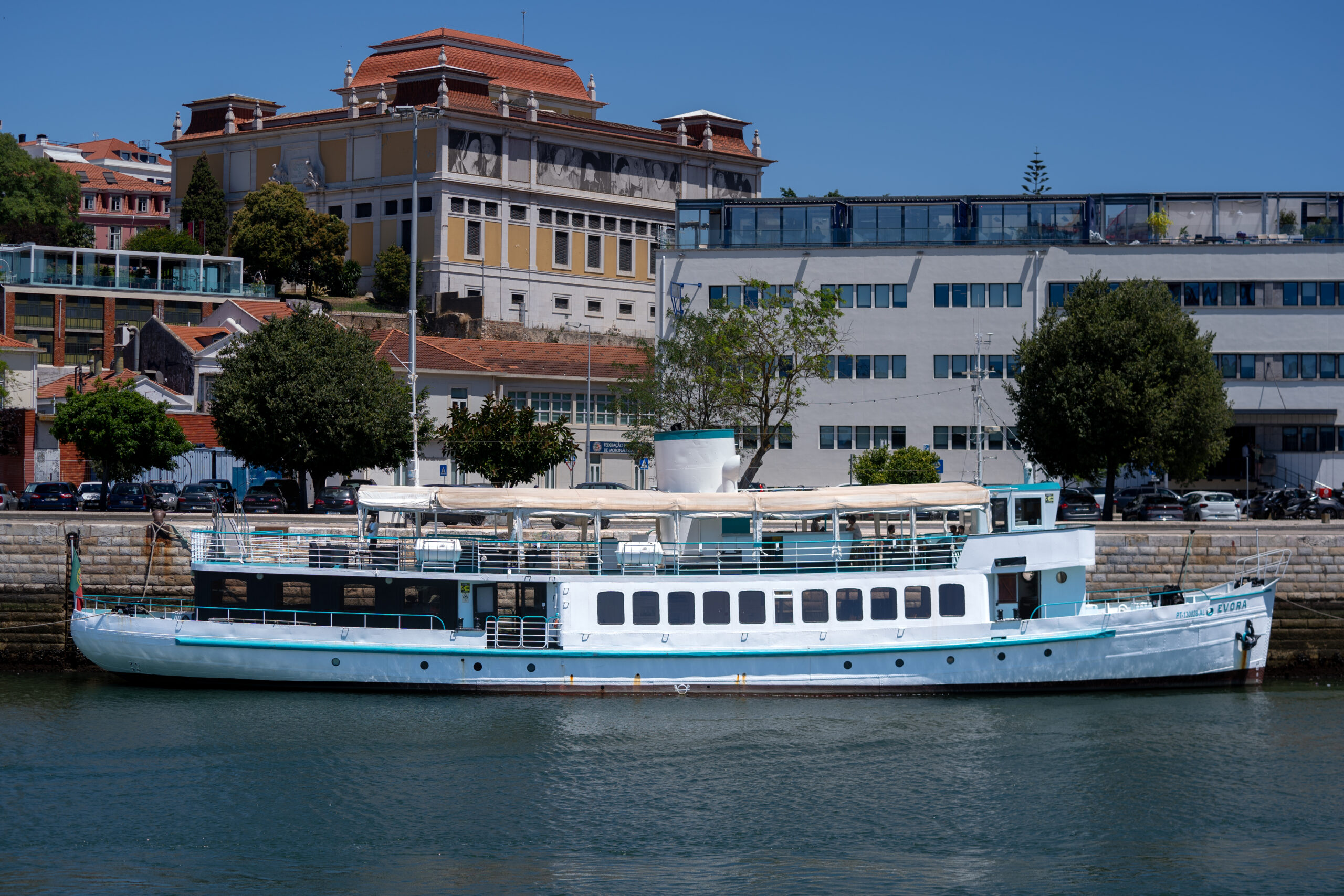
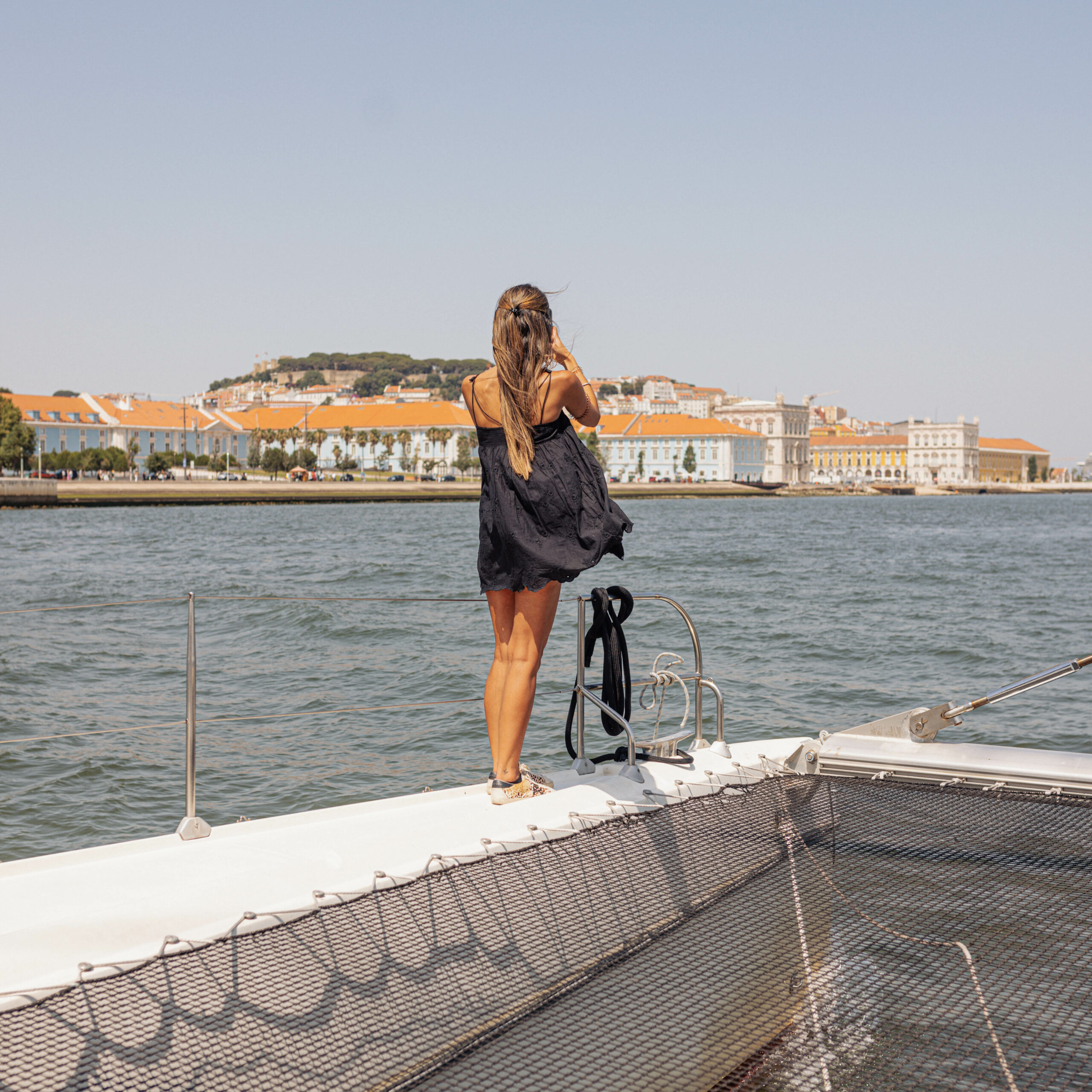
Whether you stay 2, 3 or 4 days, one choice tends to lift the experience: keeping one late afternoon free for the Tagus. Not as a forced tourist activity, but as a way to understand Lisbon from the line that actually explains it, the river. This is also where Sardinha do Tejo fits naturally. It is an authentic way to experience Lisbon from the Tagus, and it offers two very clear versions of that moment: Sunset Catamaran, which is calmer, more comfortable and more intimate, and Sunset on Barco EVORA, which is livelier, more social and more energetic.
In practical terms, the summary is simple: go in May or June, stay 3 days if you can, and use one late afternoon to see Lisbon from the river. If you prefer a more relaxed experience, the catamaran fits better. If you want a livelier sunset, with music and a more social side, EVORA is usually the right choice. It is a simple way to end the trip with the whole city in front of you, not just beside you.