Roteiros de 1, 2 e 3 dias em Lisboa, sem clichés
Most good articles about Lisbon repeat the same base structure: one day for the historic centre, one day for Belém, and a third day for Sintra or for quieter neighbourhoods. The useful part of that logic is this: Lisbon works much better when it is organised by areas. The less helpful part comes when people try to squeeze São Jorge Castle, Jerónimos Monastery and Carmo into the same block, because that creates needless zigzags, unnecessary climbs and too much time lost in transport and queues. Instead of copying a generic tourist itinerary, this guide organises Lisbon by geography and saves the end of one day for what really closes the city well, sunset on the Tagus.
There is another clear editorial decision in this article: Sintra is not included in the 3 day plan. Many articles do include it, and that is perfectly fair, but people searching for 3 days in Lisbon are often looking for 3 actual days in the city. Here, Lisbon keeps all the time, and it benefits from that.
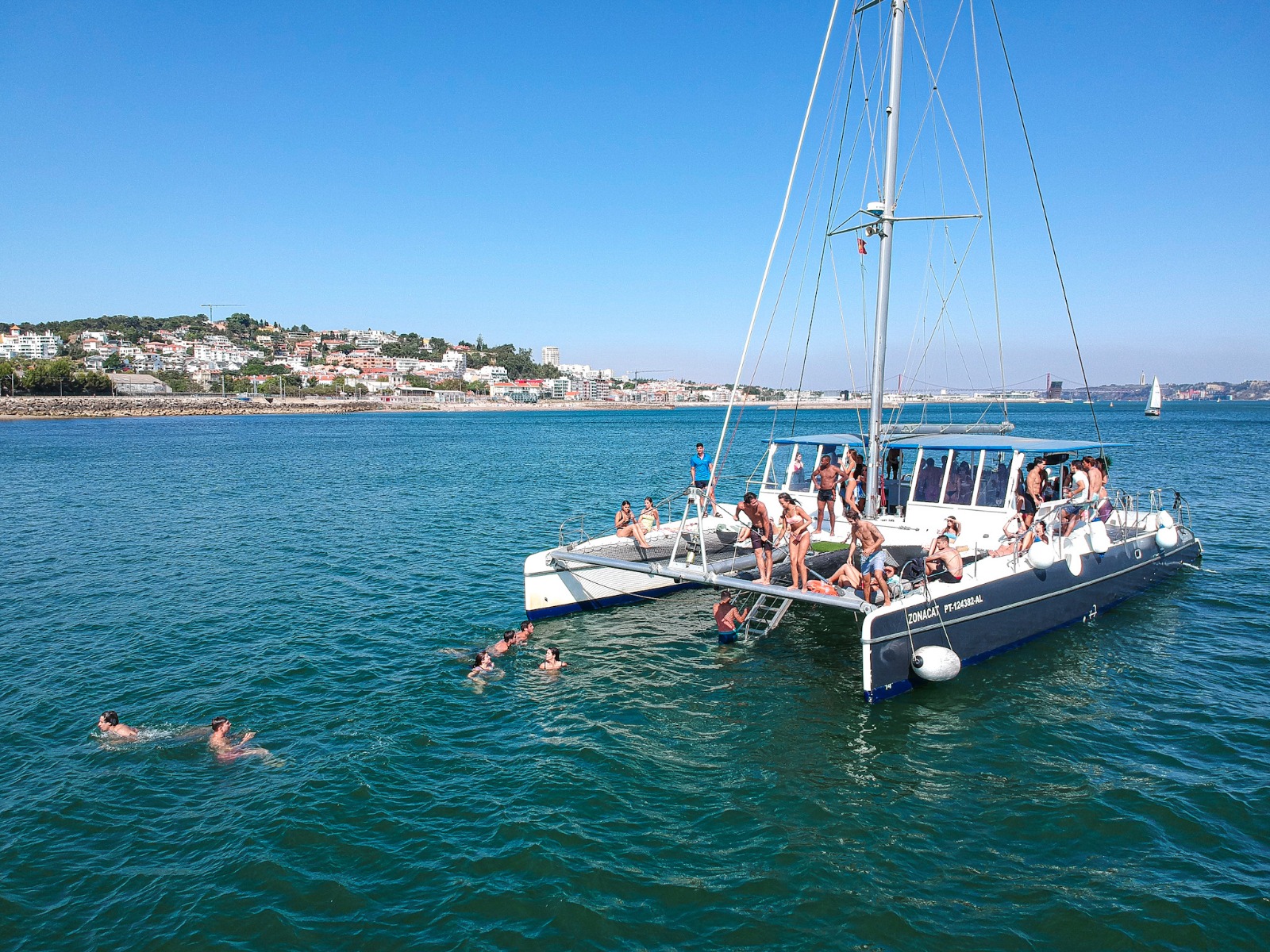
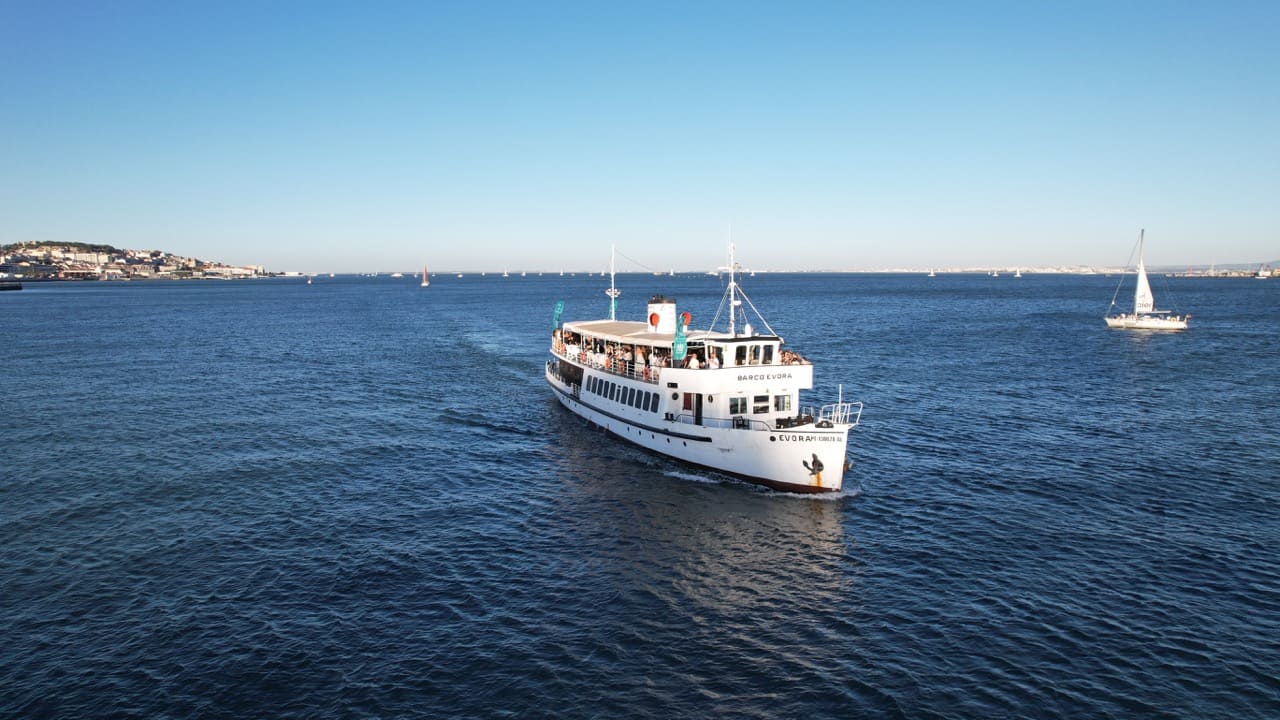
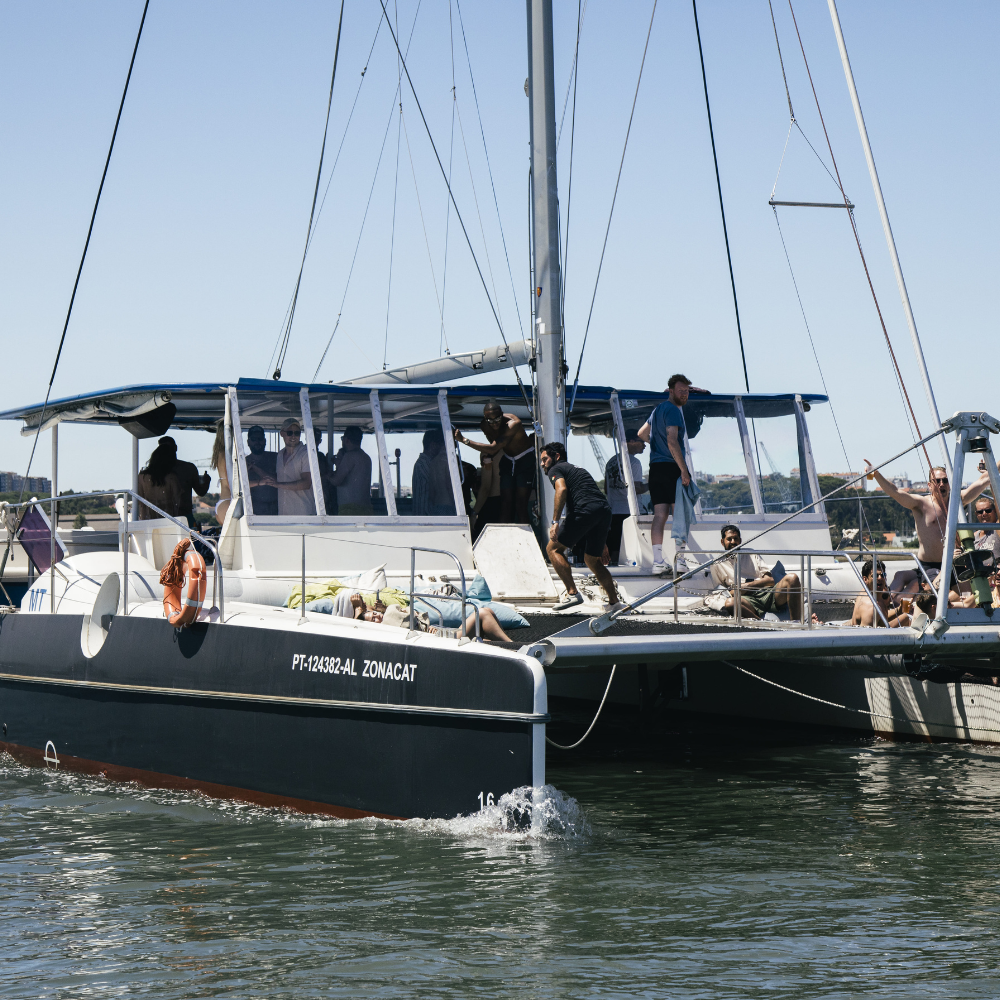
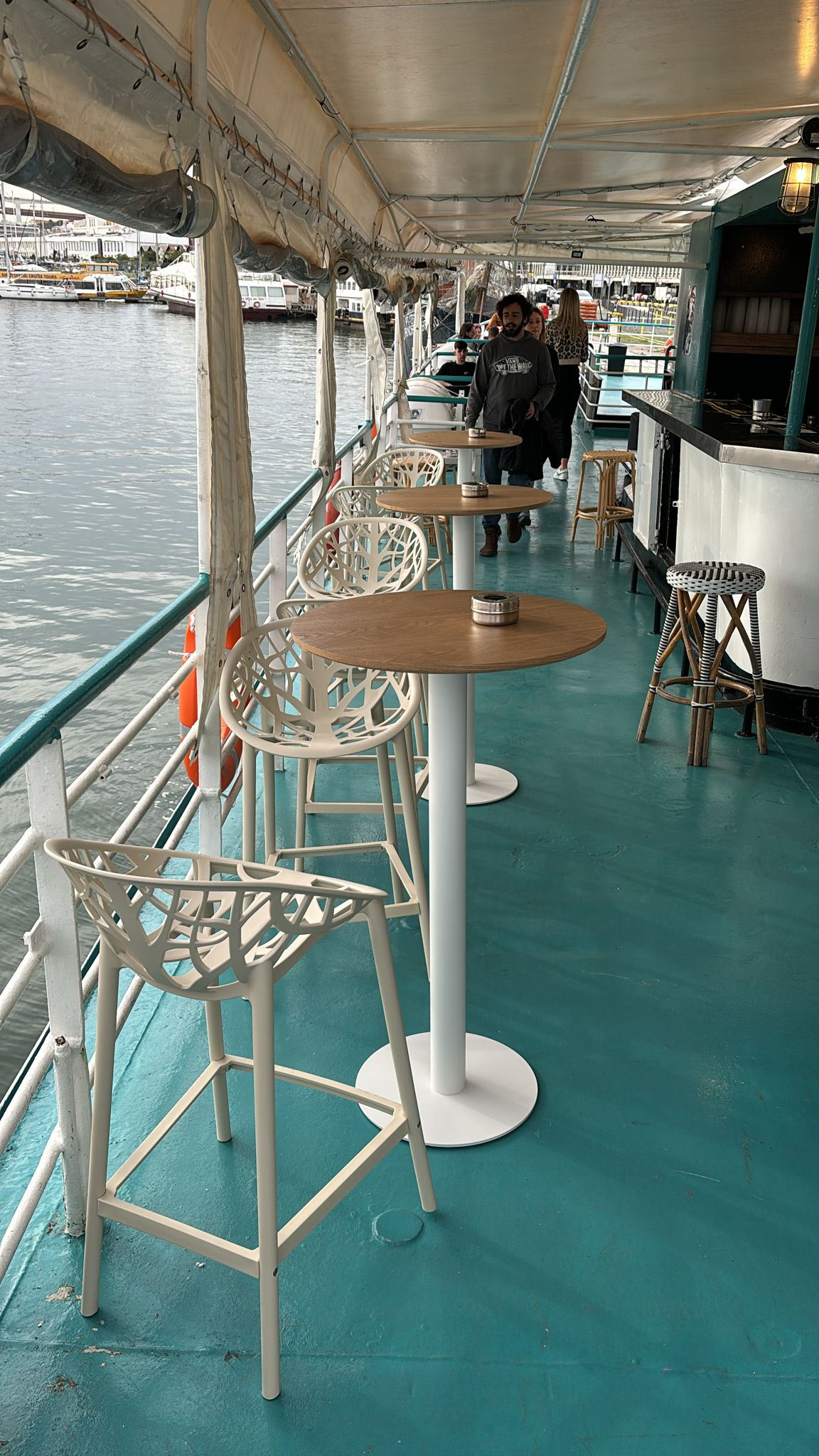
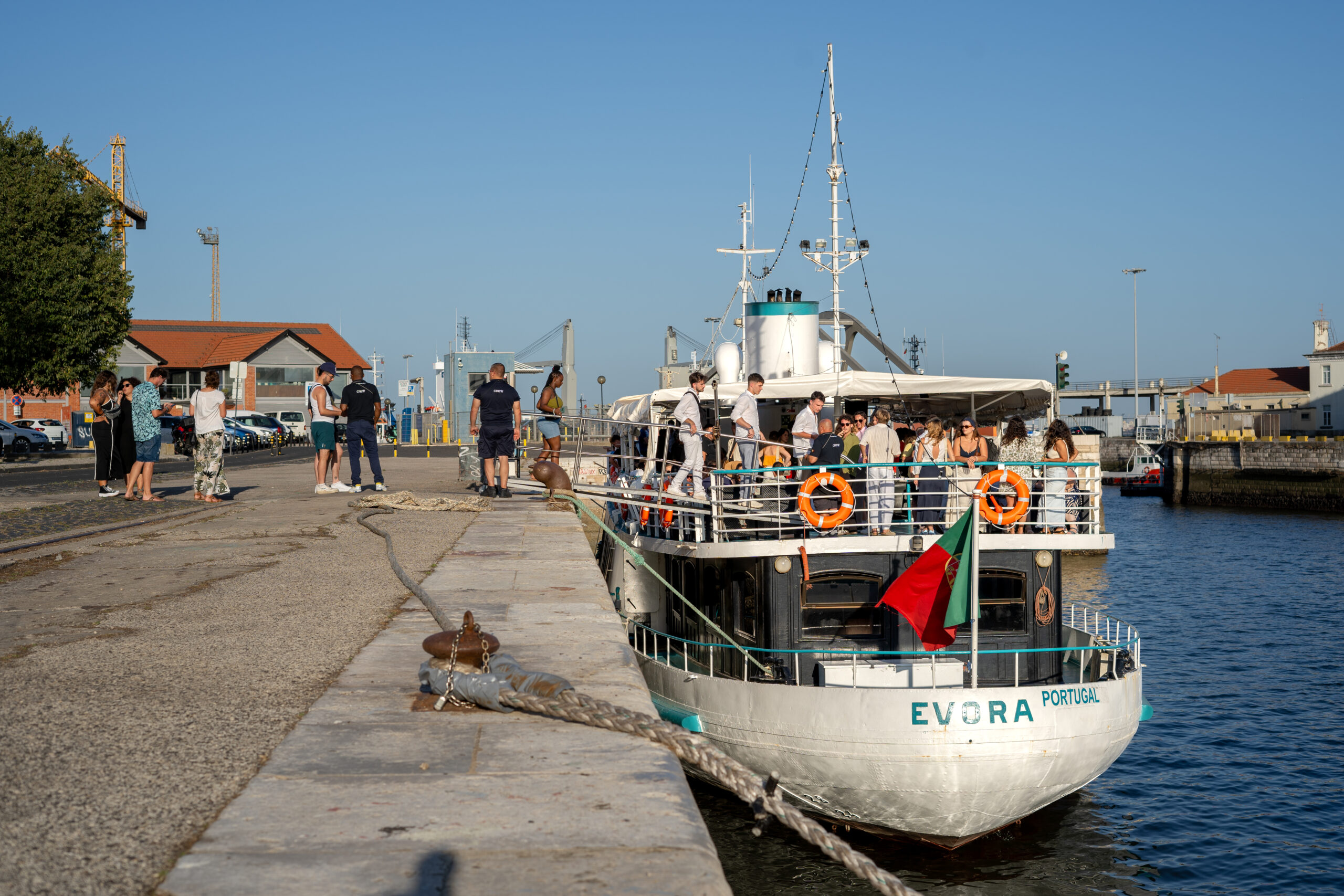
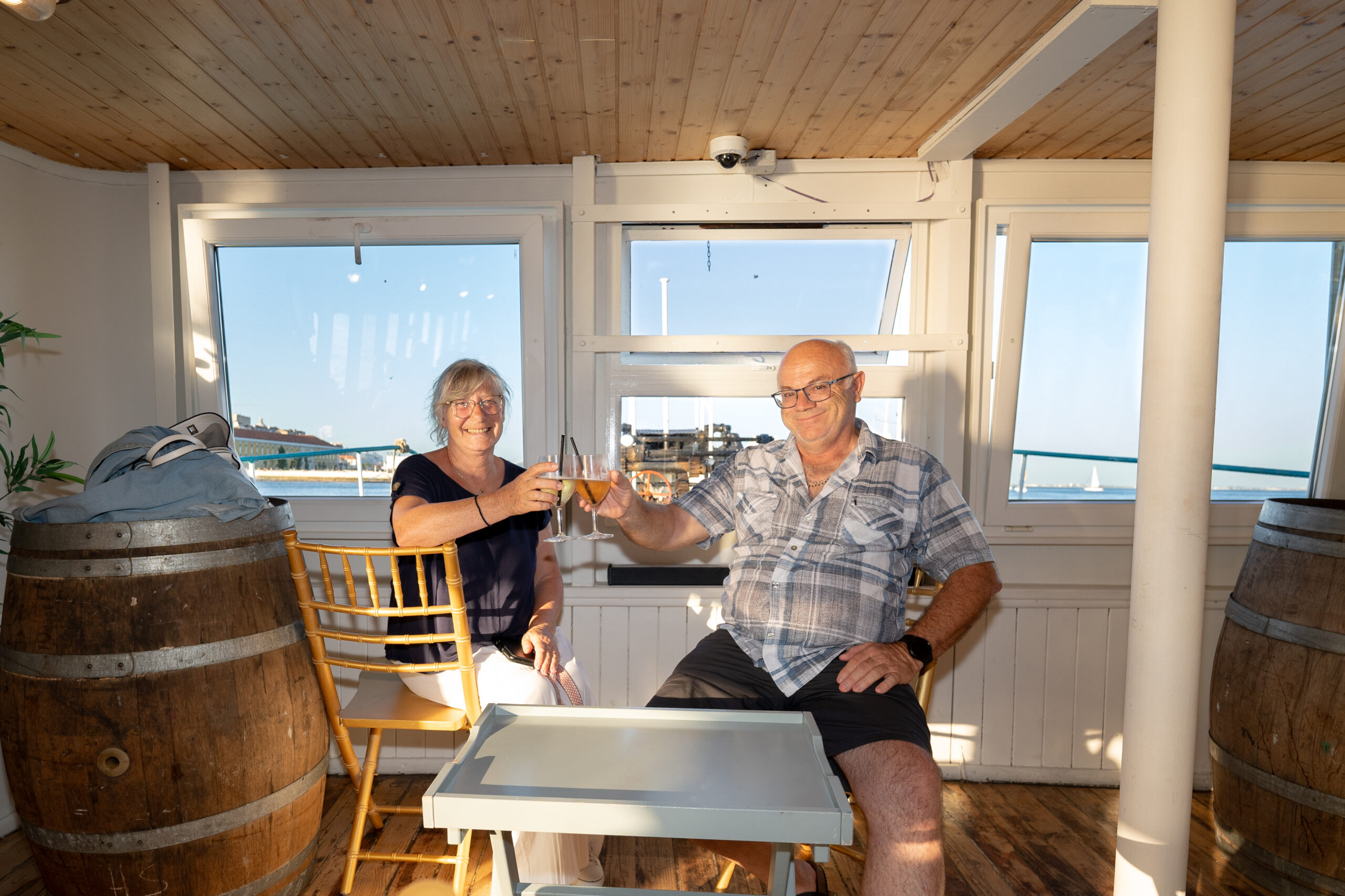
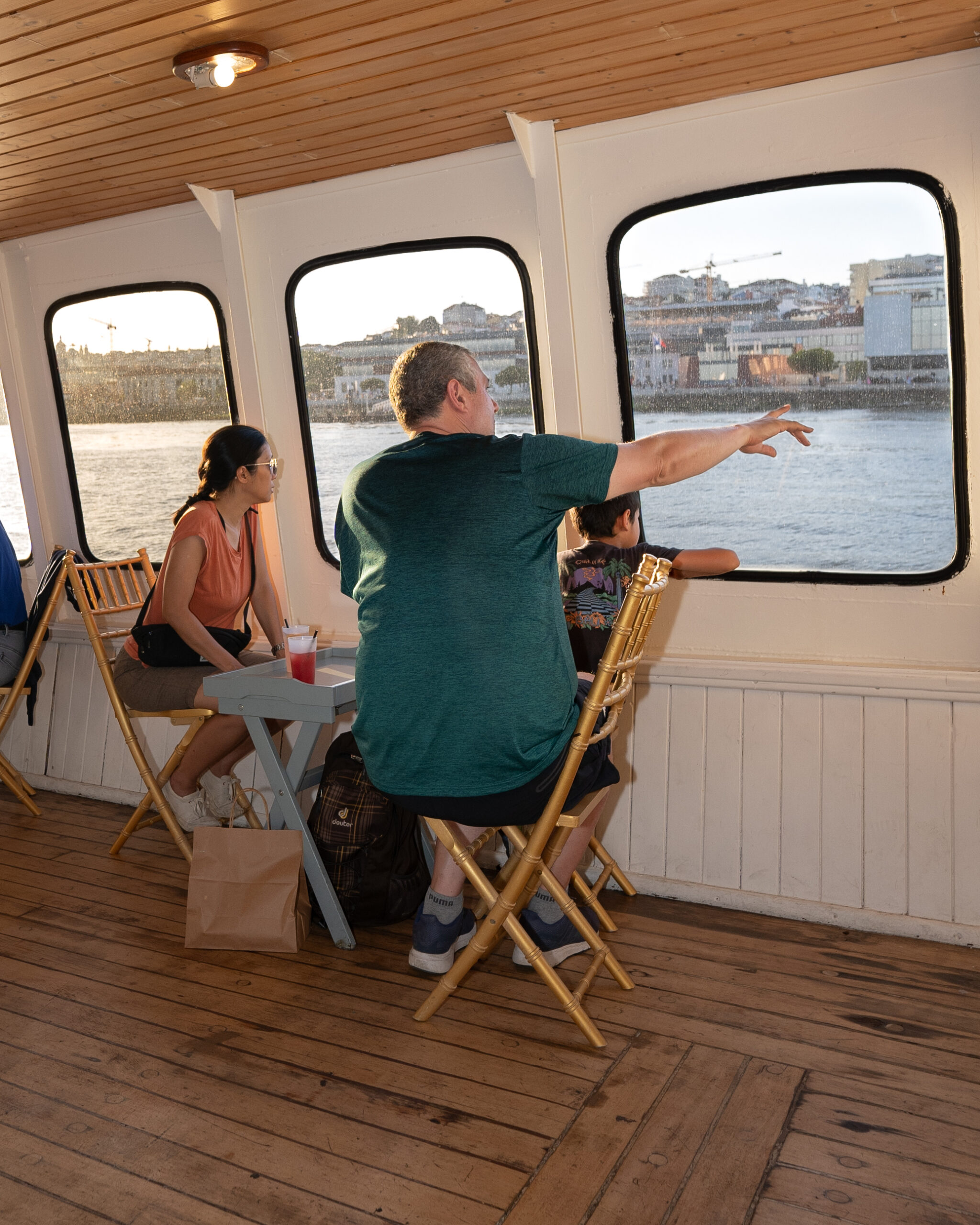
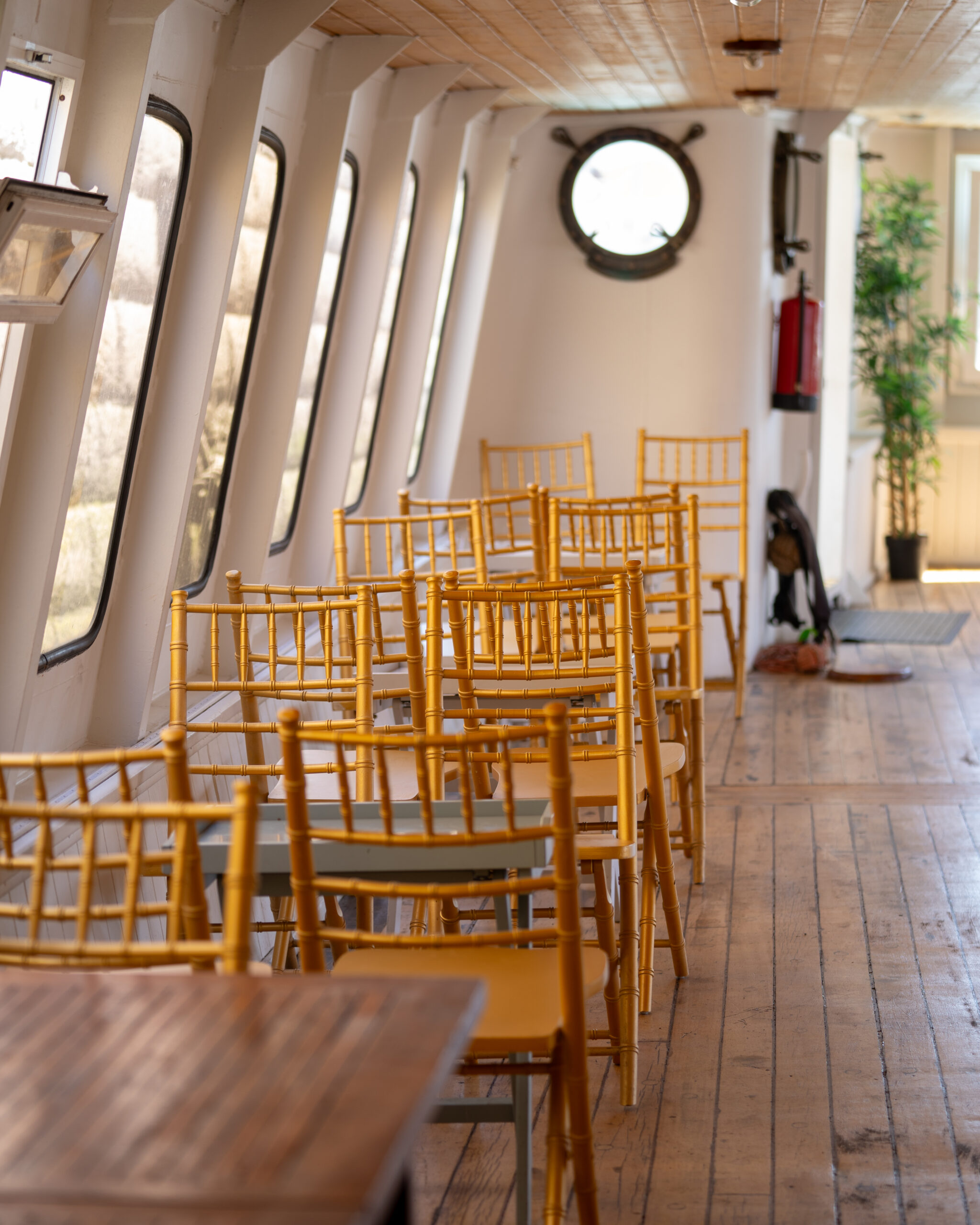
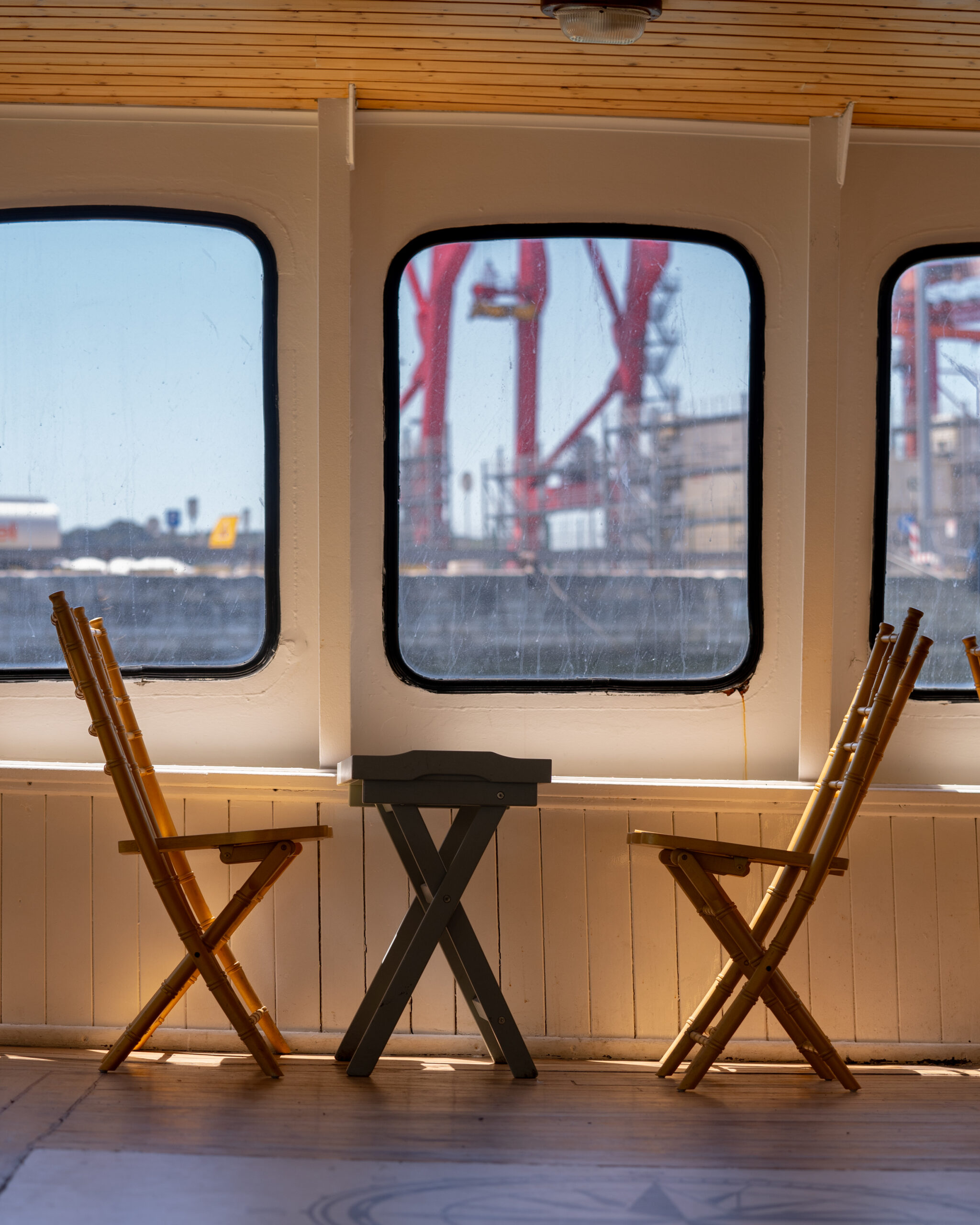
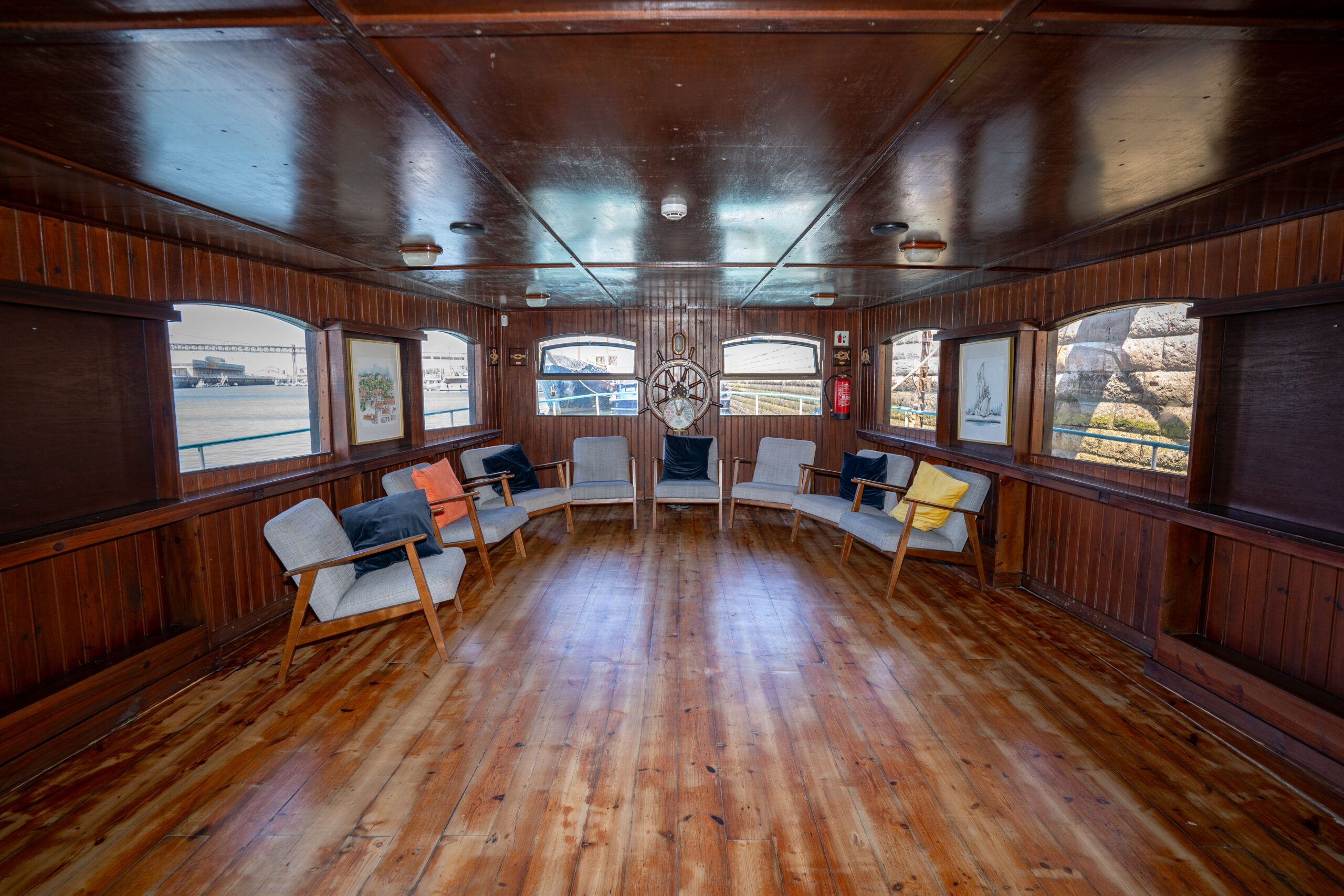
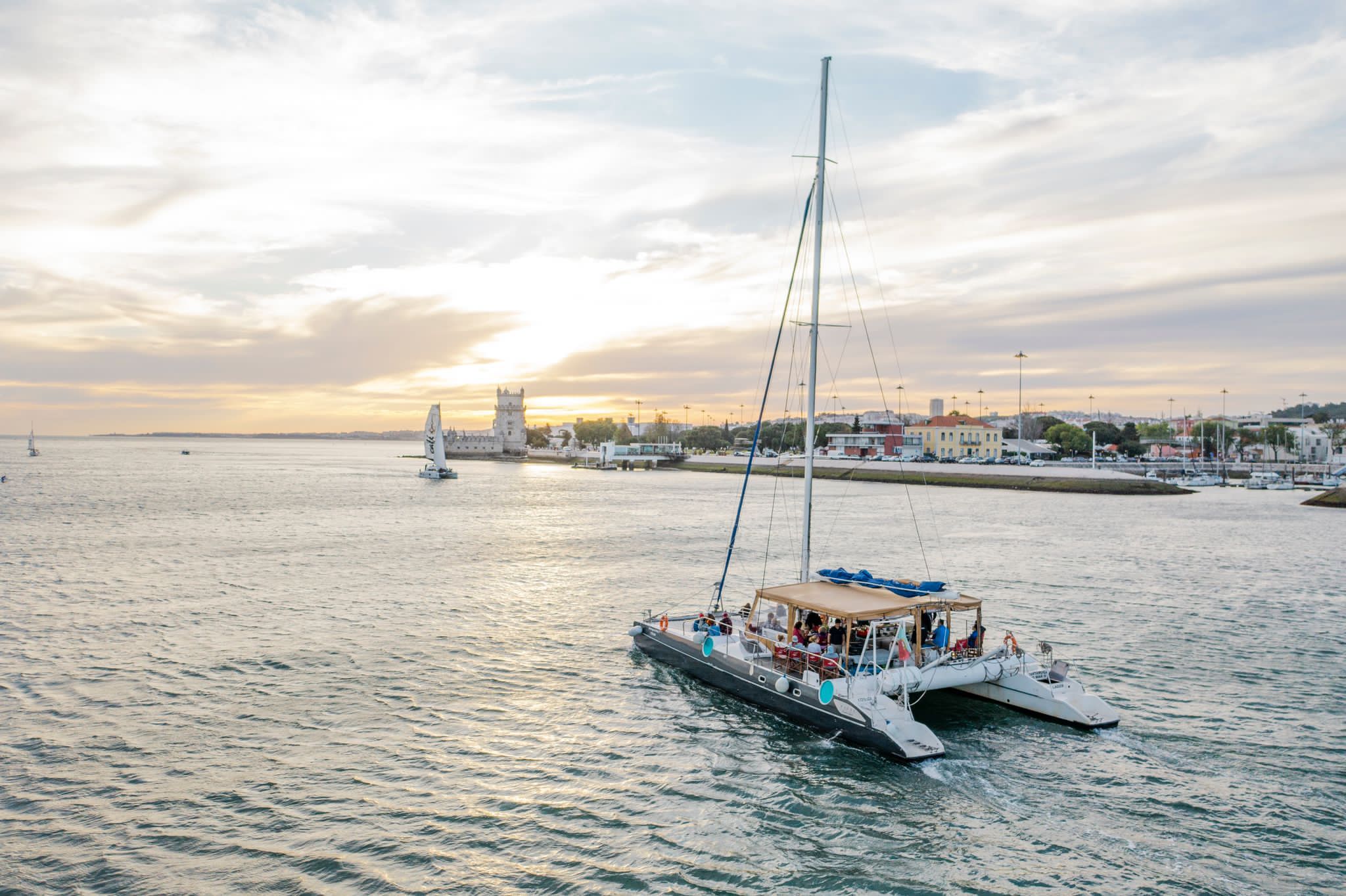
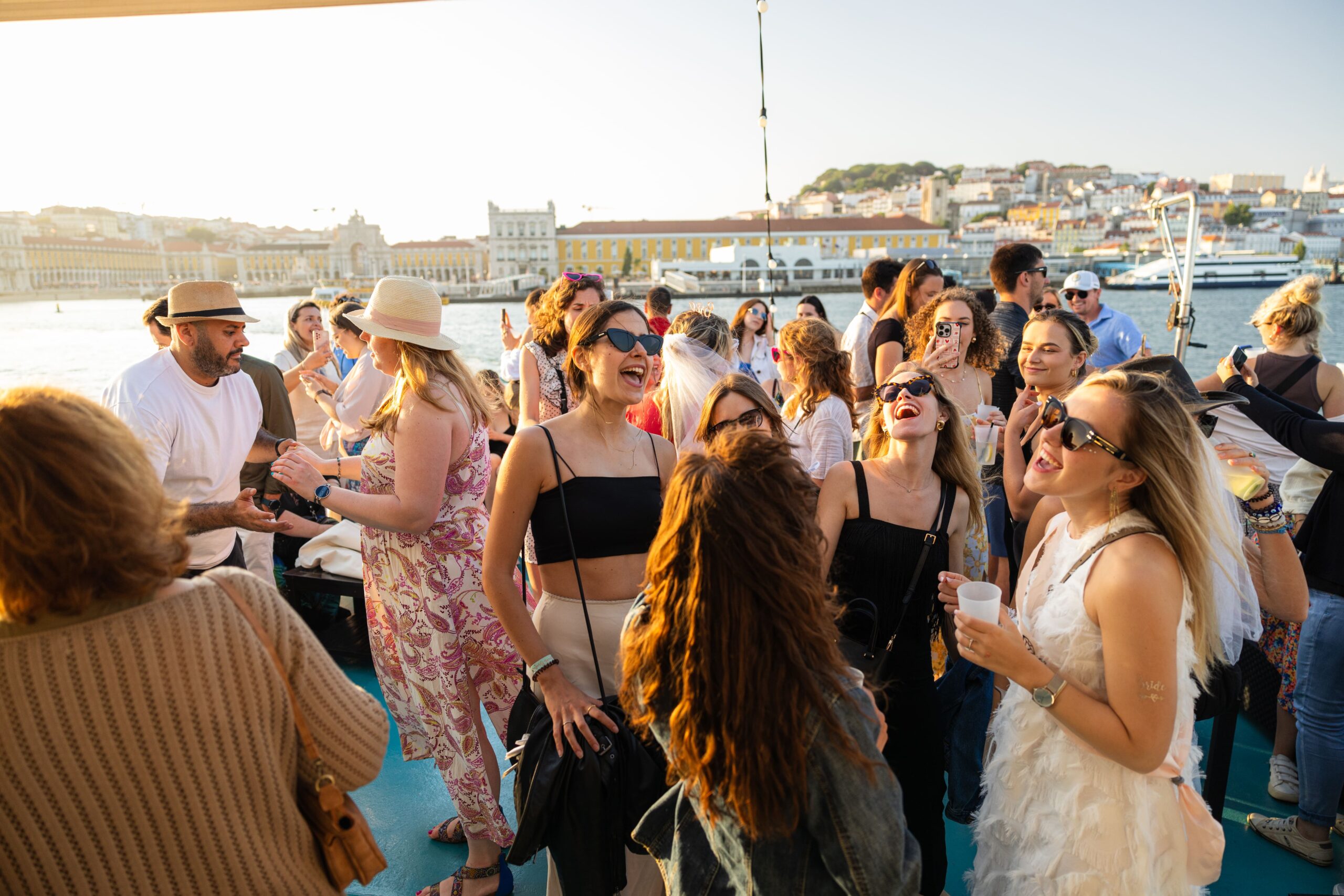
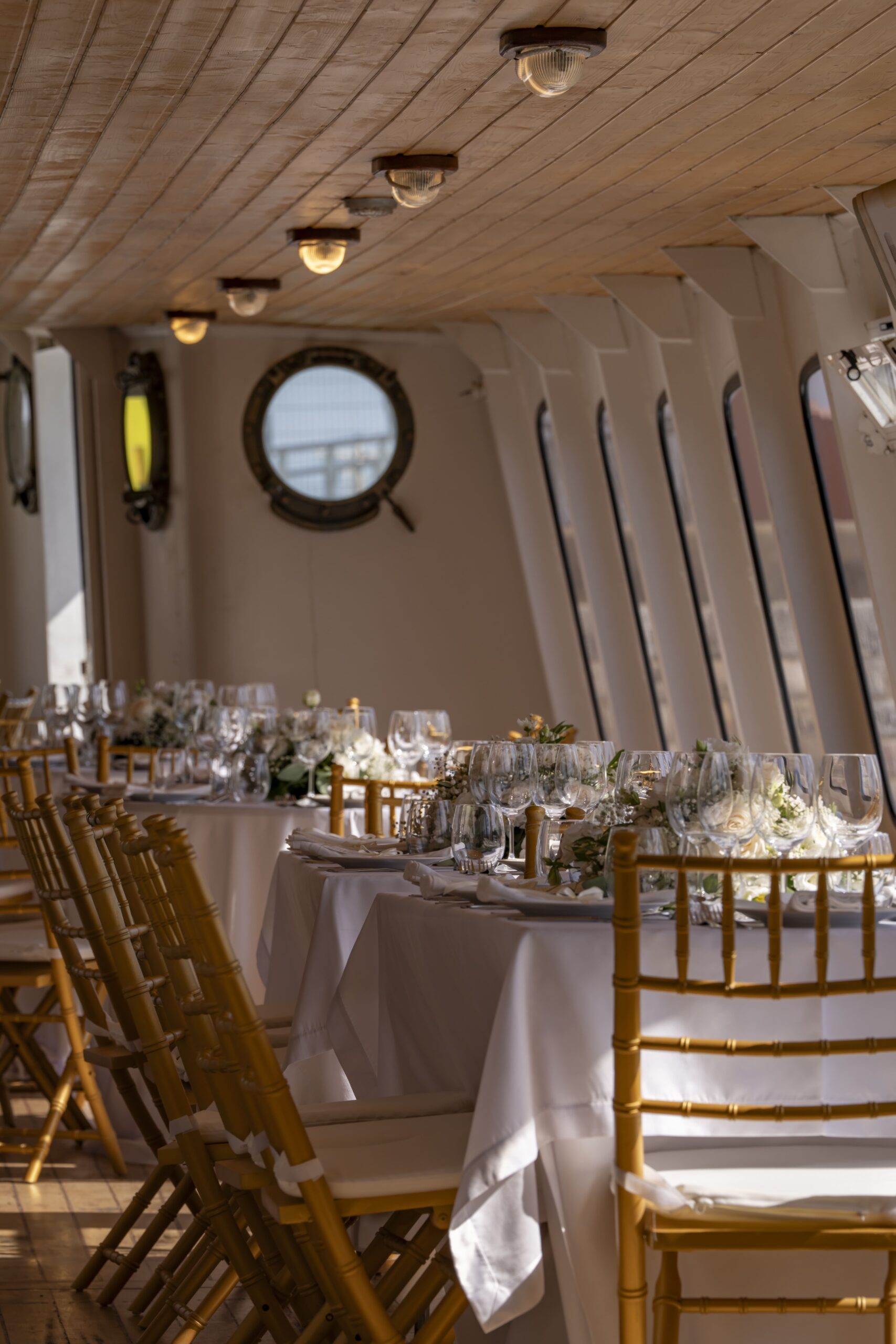
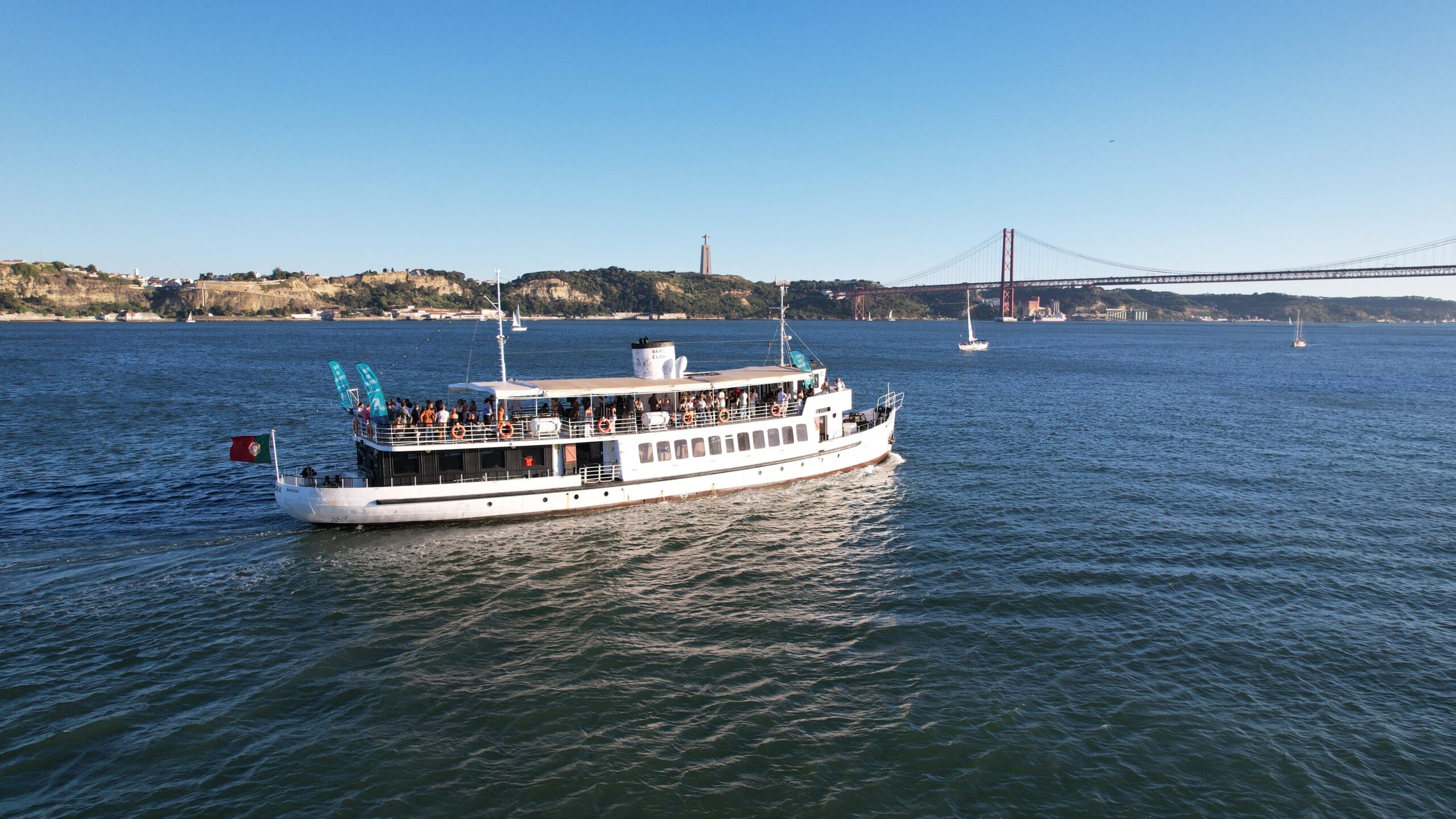
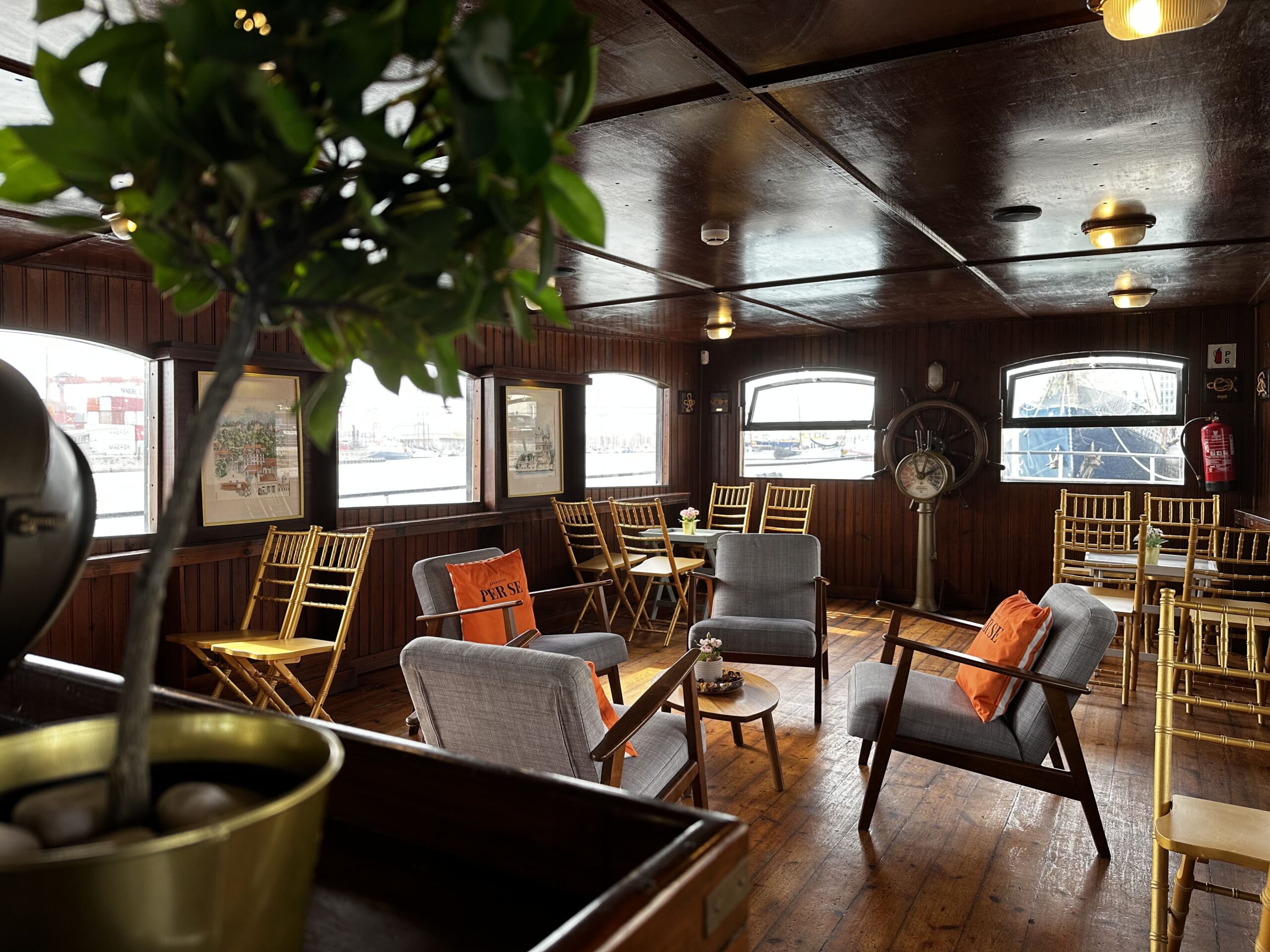
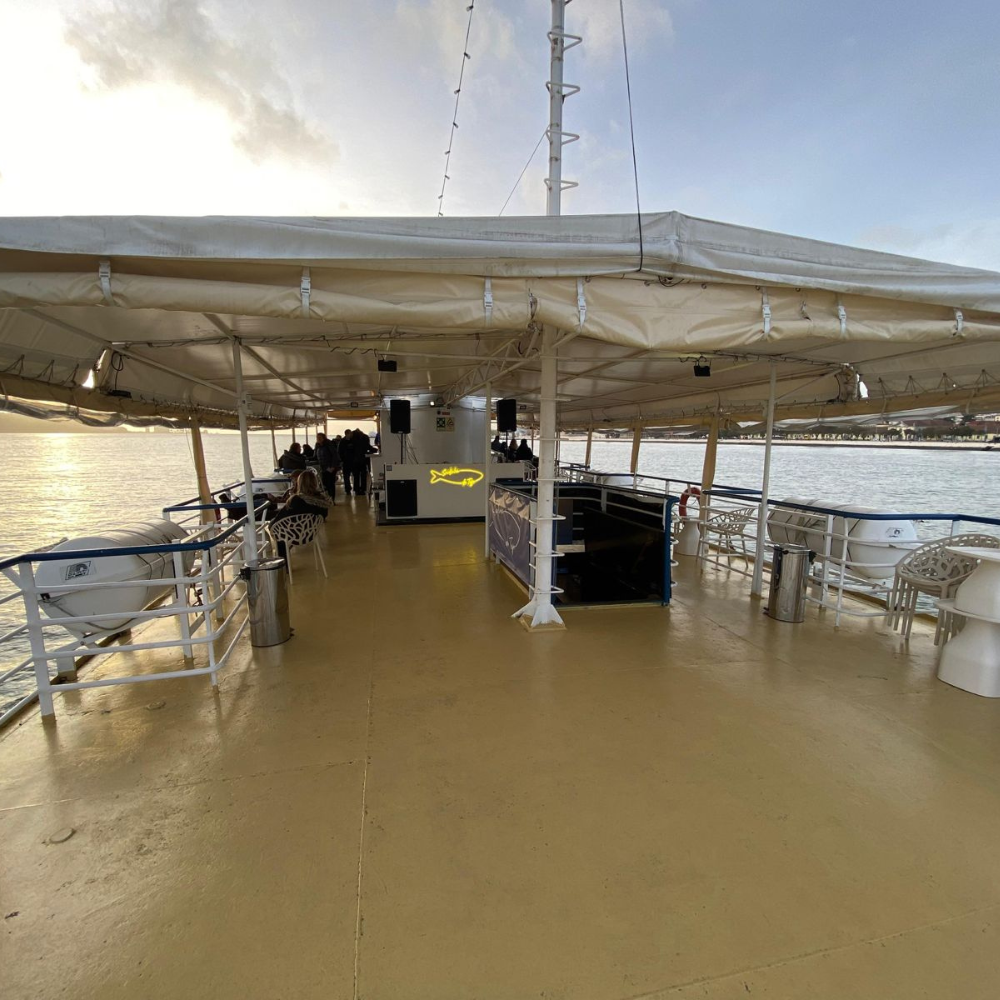
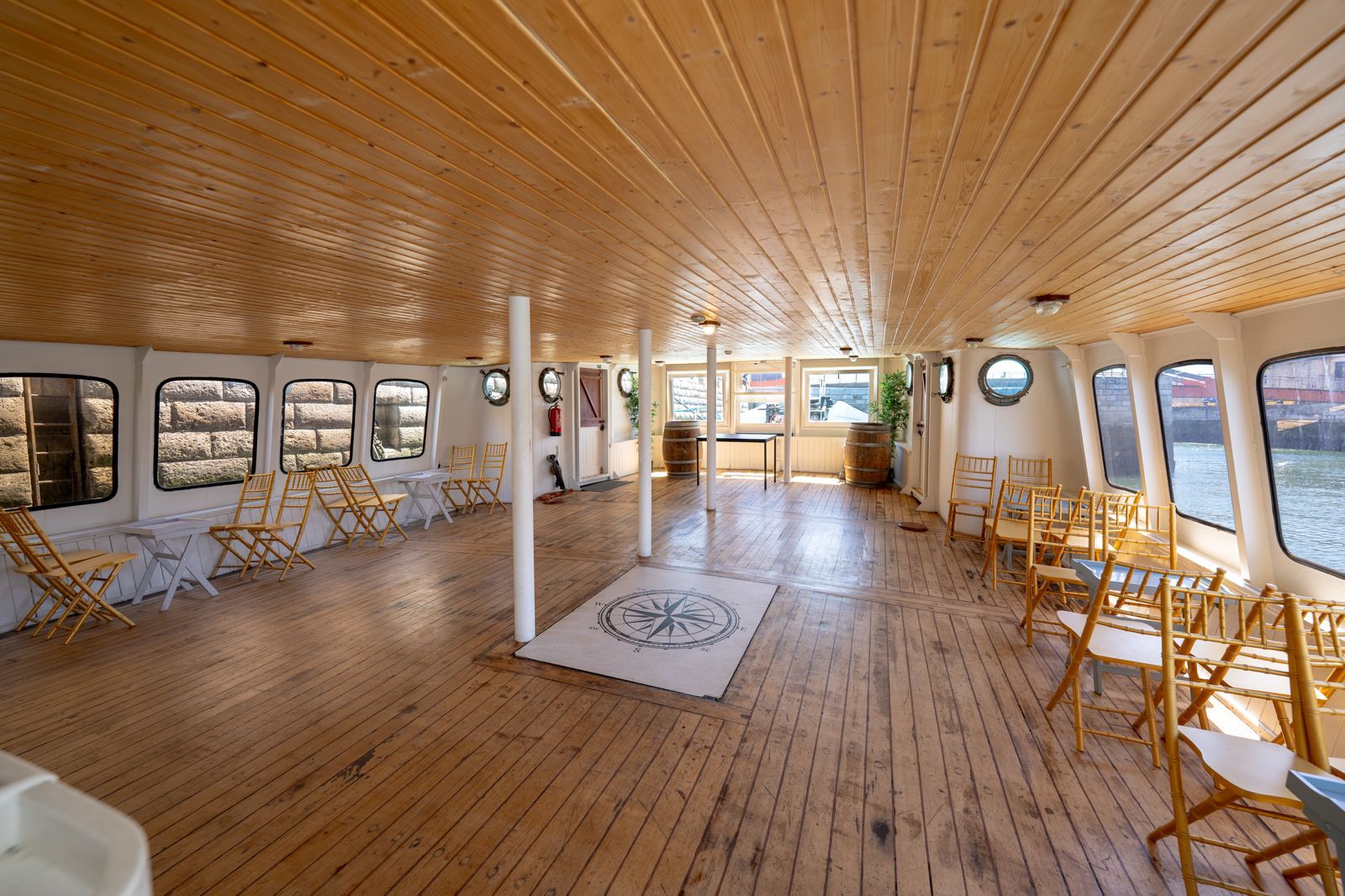
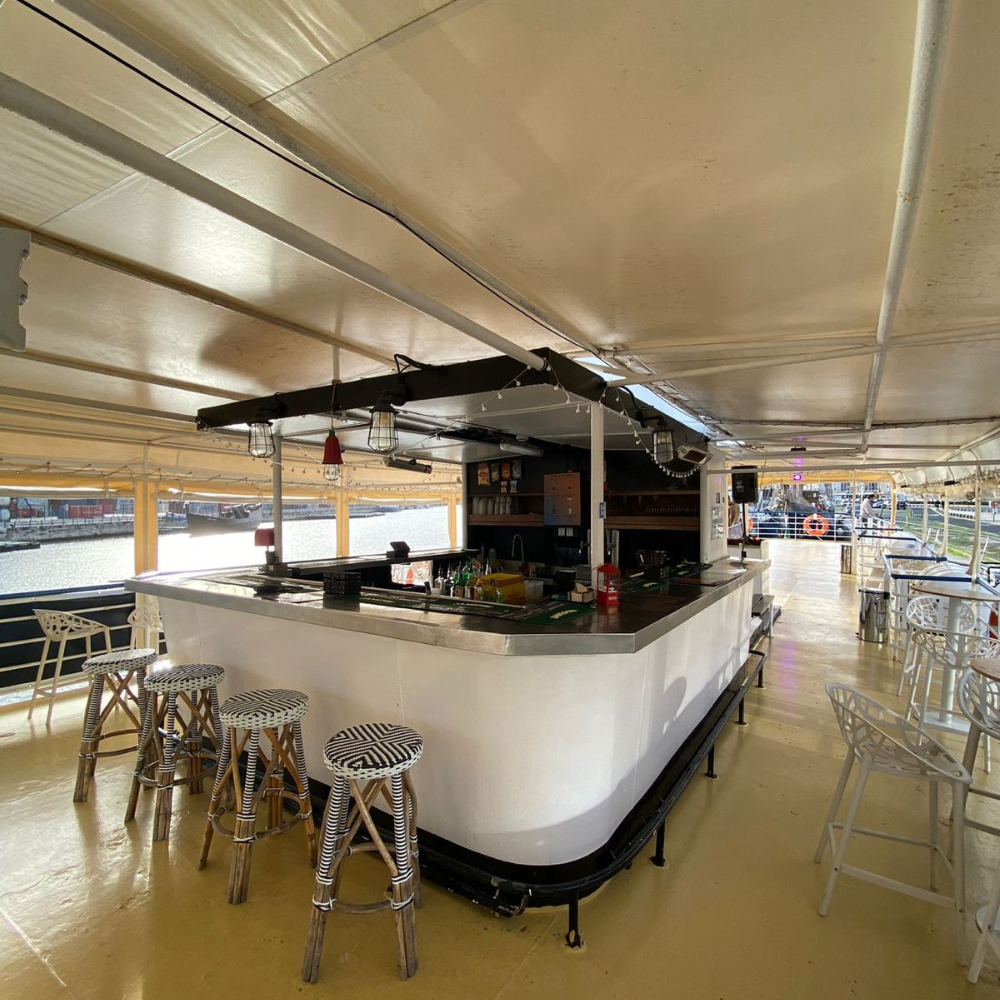
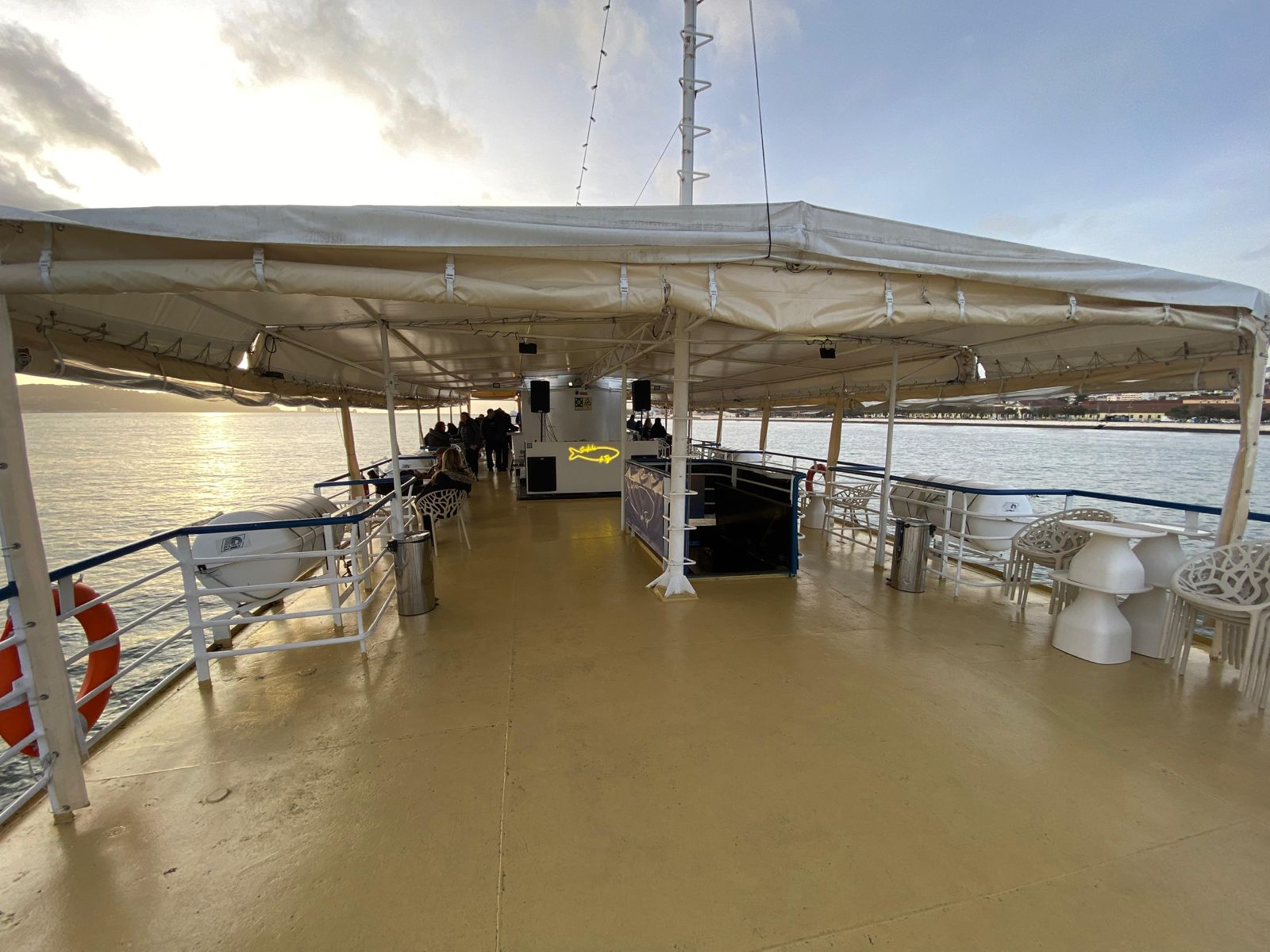
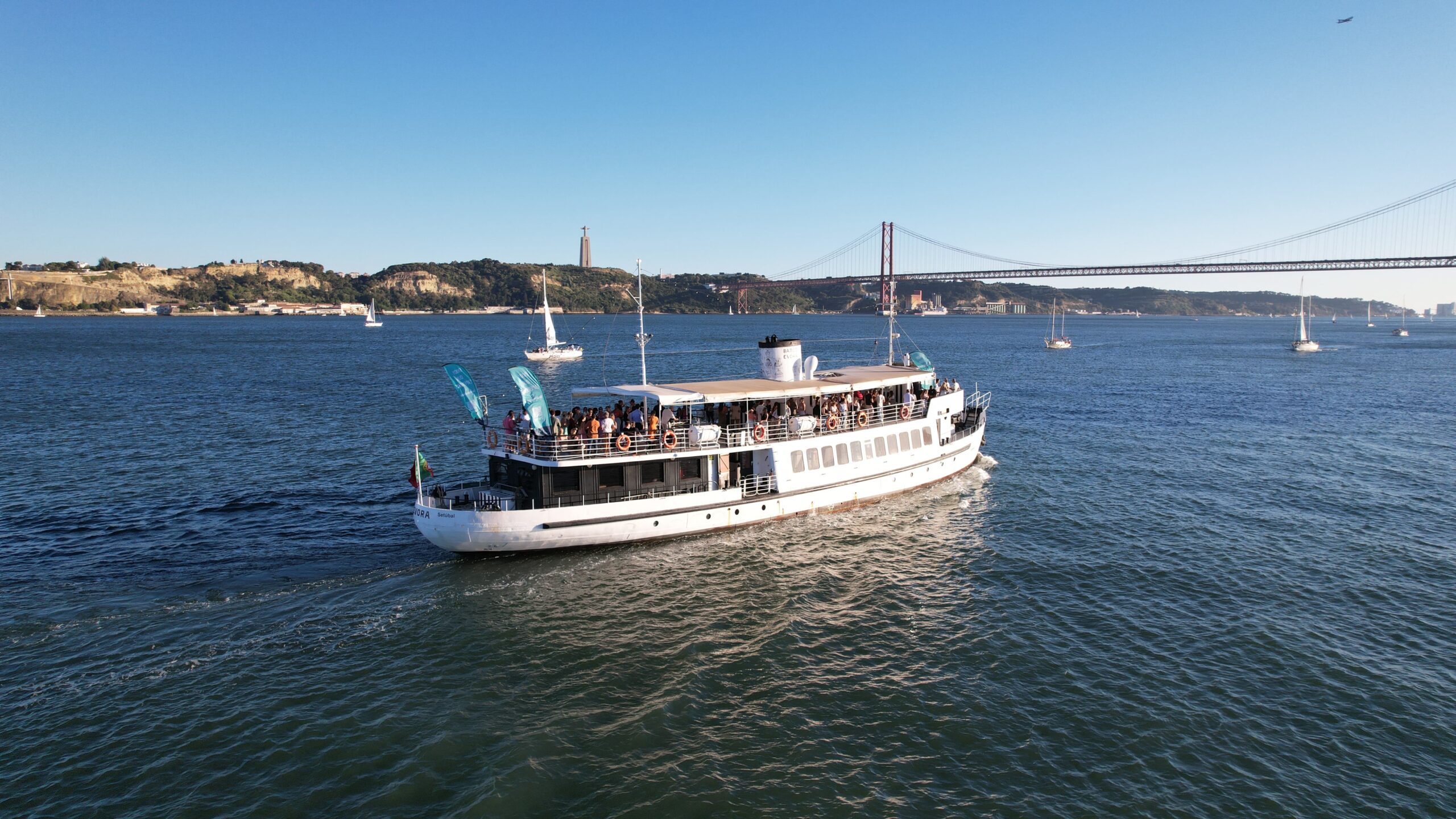
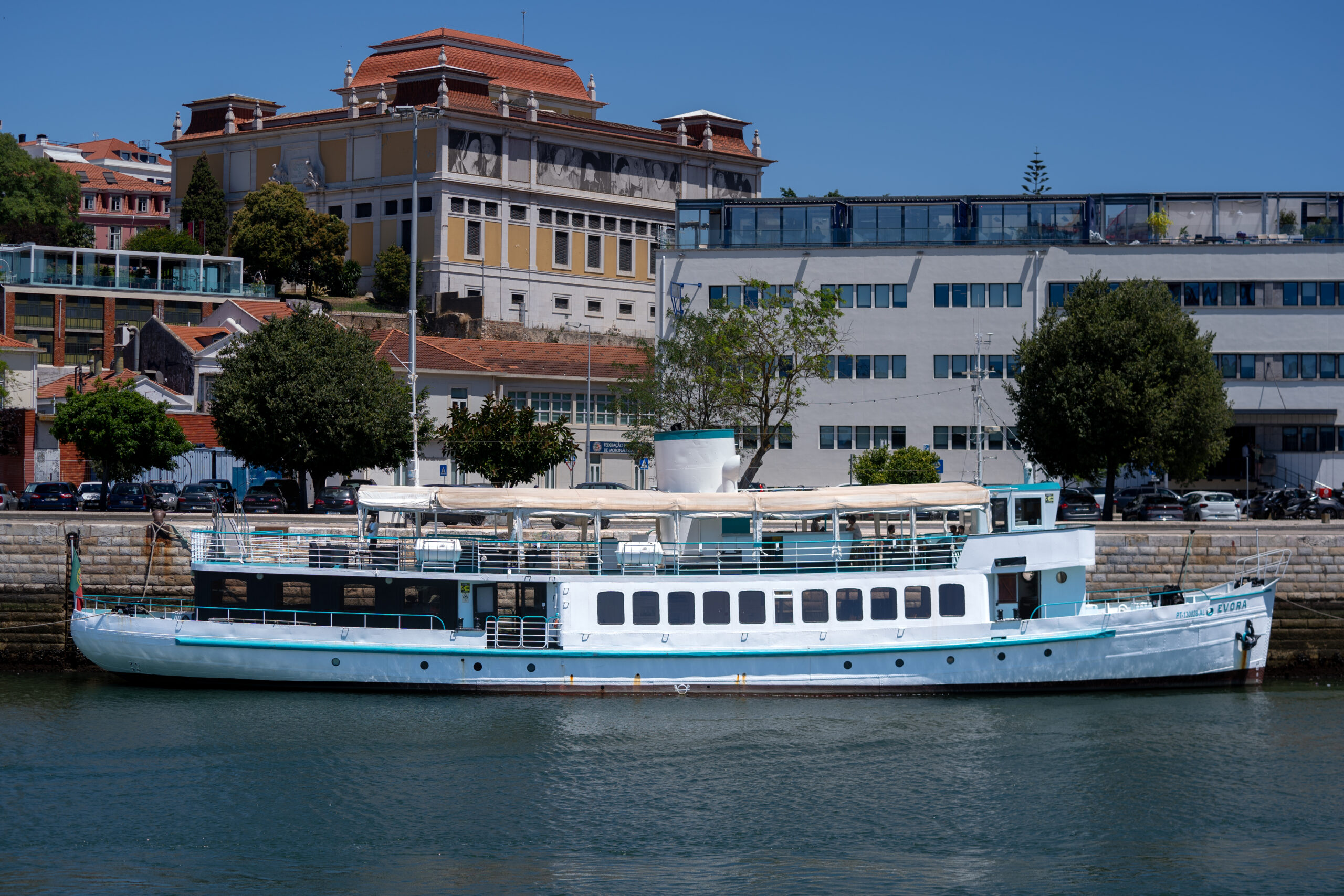
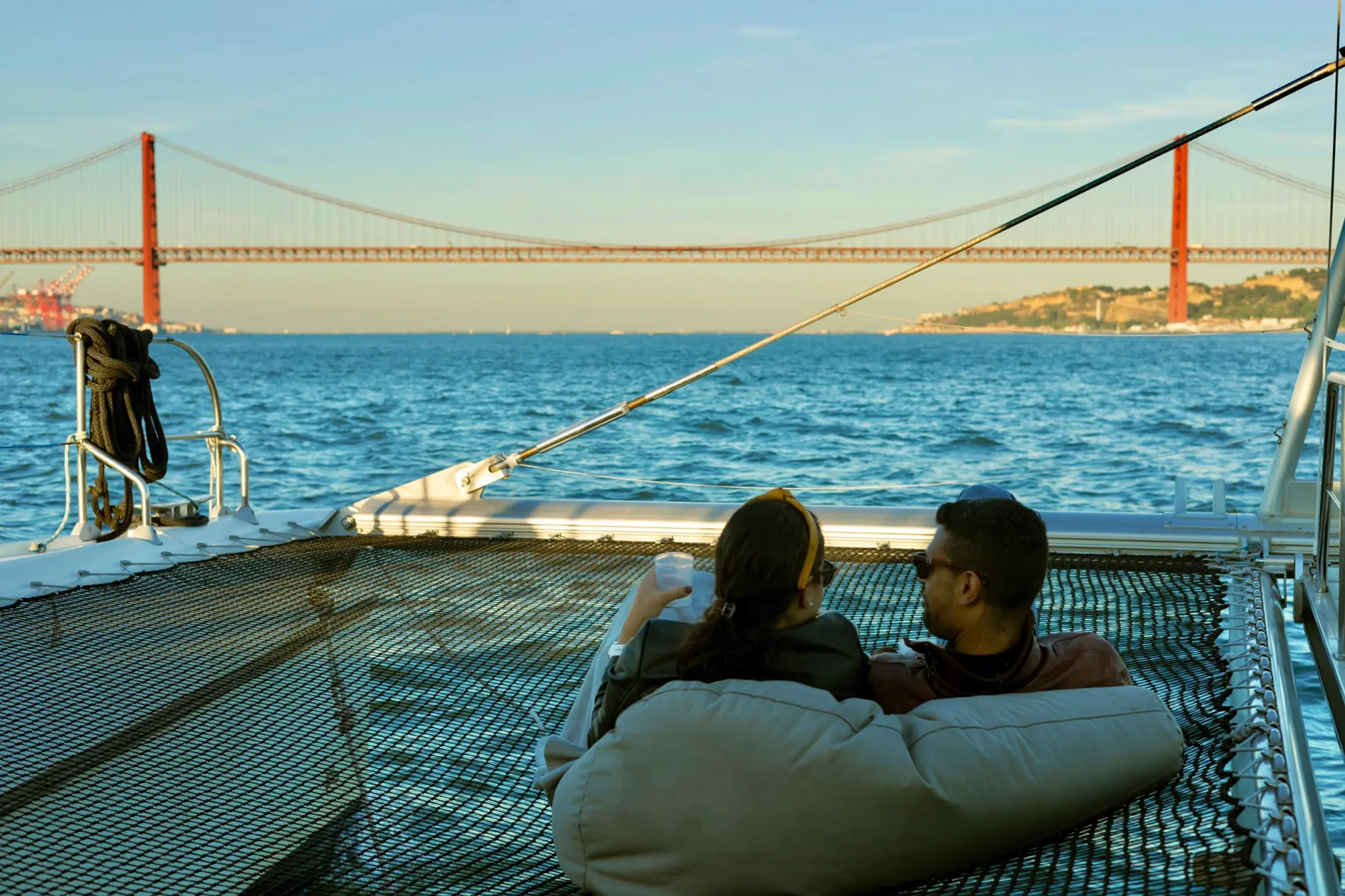
Before the itineraries, one practical rule: book the sunset cruise first and shape the rest of the day around ending near the river. At Sardinha do Tejo, Sunset Catamaran lasts 1 hour and 30 minutes and includes nets to relax on, a welcome drink, a bar, music and a bathroom on board, with a calmer and more elegant atmosphere. Sunset on Barco EVORA lasts 2 hours and also includes a welcome drink, a bar, music and a bathroom, but in a more lively and social setting on a historic boat. Catamaran suits people who want to slow down. EVORA suits people who want more energy.
1 Day Itinerary in Lisbon
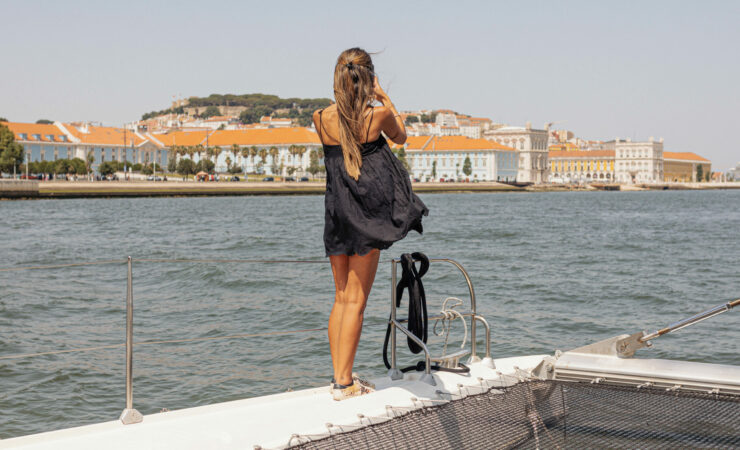
This is the route for anyone who wants to see Lisbon properly, without rushing to Belém in the middle of the morning and without eating a hurried lunch in some random Baixa street just because it appears in ten identical lists. The old city deserves time on foot, and on such a short visit Belém makes more sense from the river at the end of the day. Full Suitcase itself suggests that, when time is short, seeing Belém by boat is a smart alternative.
Morning: Graça, São Vicente and Alfama
09:00. Start high up, in Graça or Senhora do Monte. Several guides recommend beginning the day at the viewpoints because the morning light helps you read the city and avoids crowds straight away. It is the best way to understand Lisbon before stepping into it.
09:45. Head down to Campo de Santa Clara. If it is Tuesday or Saturday, this is the right moment to visit Feira da Ladra, which takes place on those two days behind São Vicente de Fora. If it is not a market day, keep the same logic and use the area to see São Vicente and its surroundings at a calm pace. It is a much better opening than going straight into Baixa.
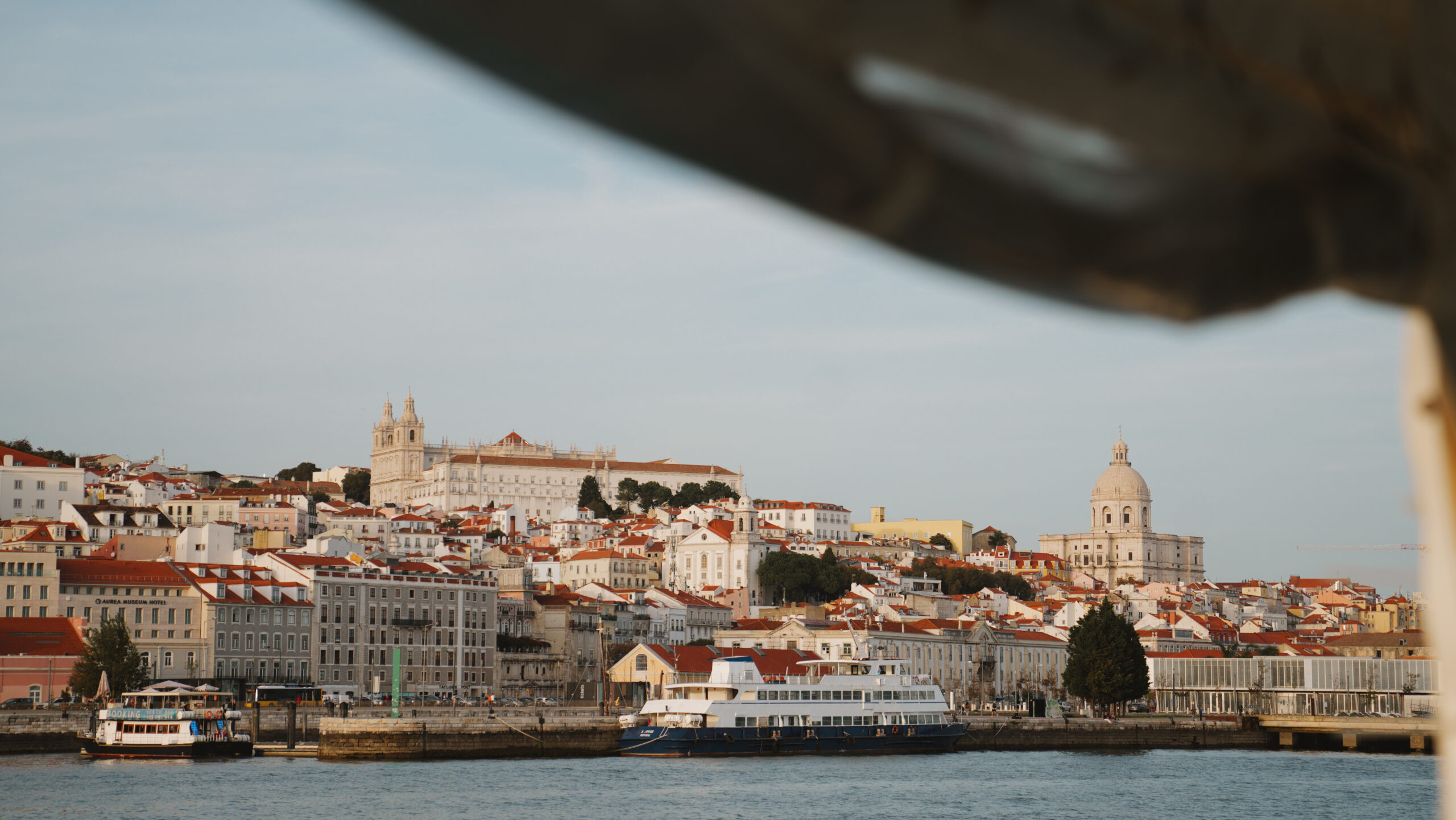
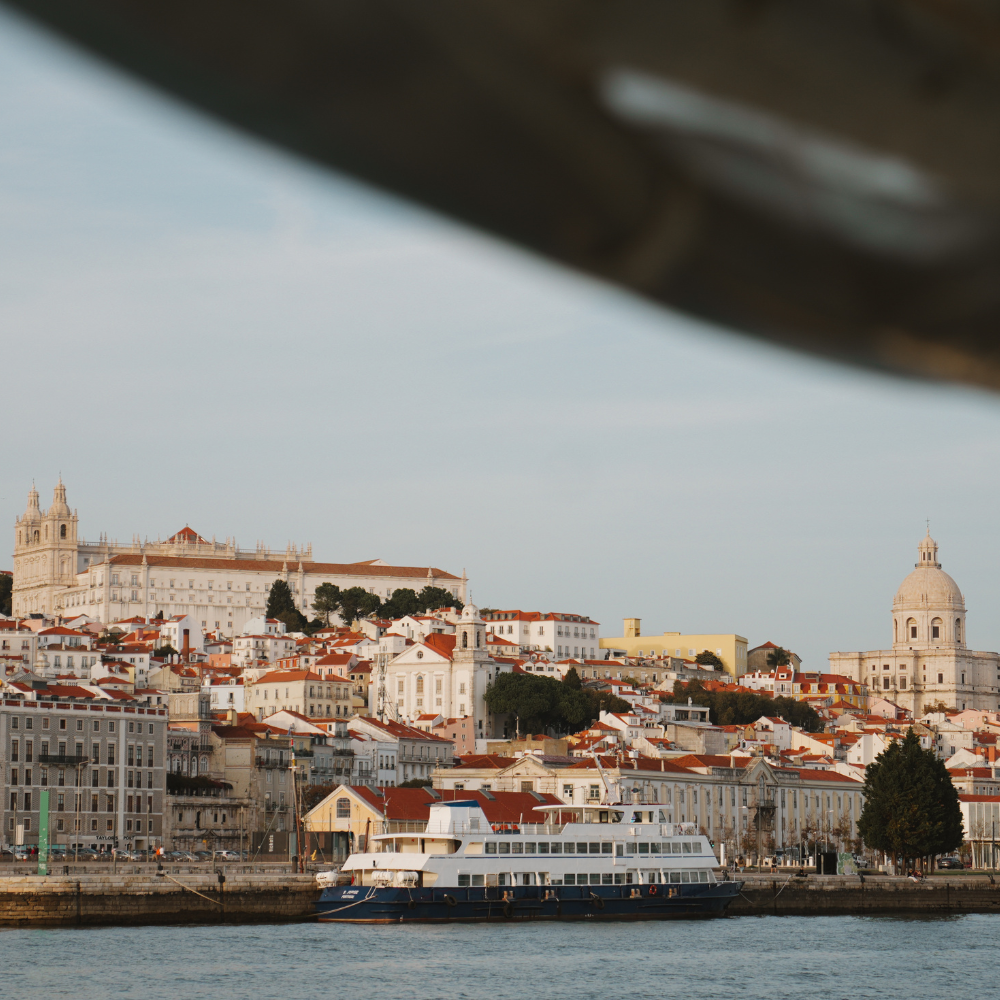
11:00. Walk into Alfama through Santa Luzia. Visit Lisboa is very clear on this point: Alfama should be discovered slowly and on foot, not rushed. Santa Luzia remains one of the most beautiful spots for understanding the neighbourhood, the rooftops and the Tagus.
Lunch and afternoon: Mouraria, Chiado and the descent to the river
13:00. Have lunch in São Vicente or Mouraria, not in Baixa. This is an editorial choice, but also a practical one: it avoids stopping too early in a zone designed for passing through and lets the day breathe better. The Lisbon itineraries that work best group neighbourhoods by proximity, not by fame.
14:30. Cross into Chiado and Carmo. Almost every major itinerary puts Baixa, Chiado and Alfama on the same day, but the trick is not to get trapped on Rua Augusta for longer than necessary. Use Baixa as a corridor, not as the centre of the day. Then head up to Chiado and, if you still have the legs for it, keep going to Príncipe Real. Go Ask A Local highlights Príncipe Real as an elegant residential district with gardens, shops and a good late afternoon atmosphere that never feels too crowded.
End of the day: sunset on the Tagus
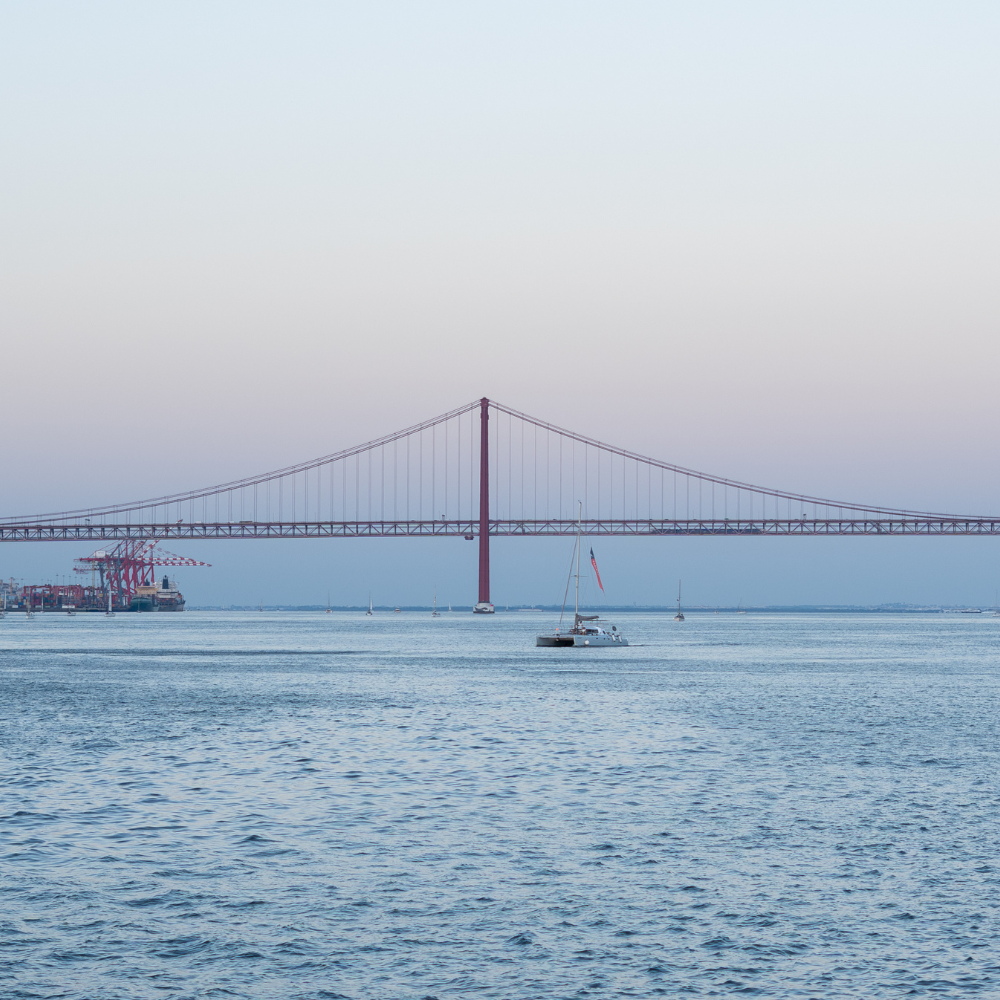
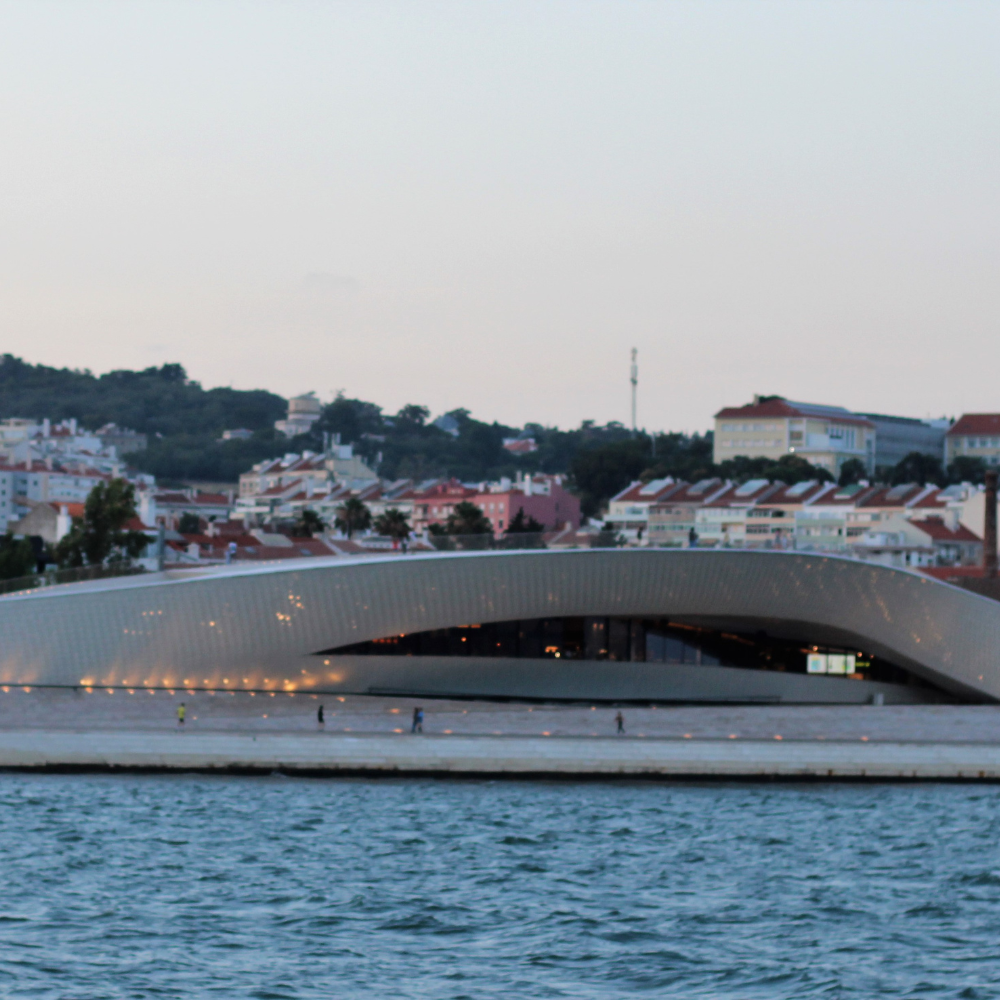
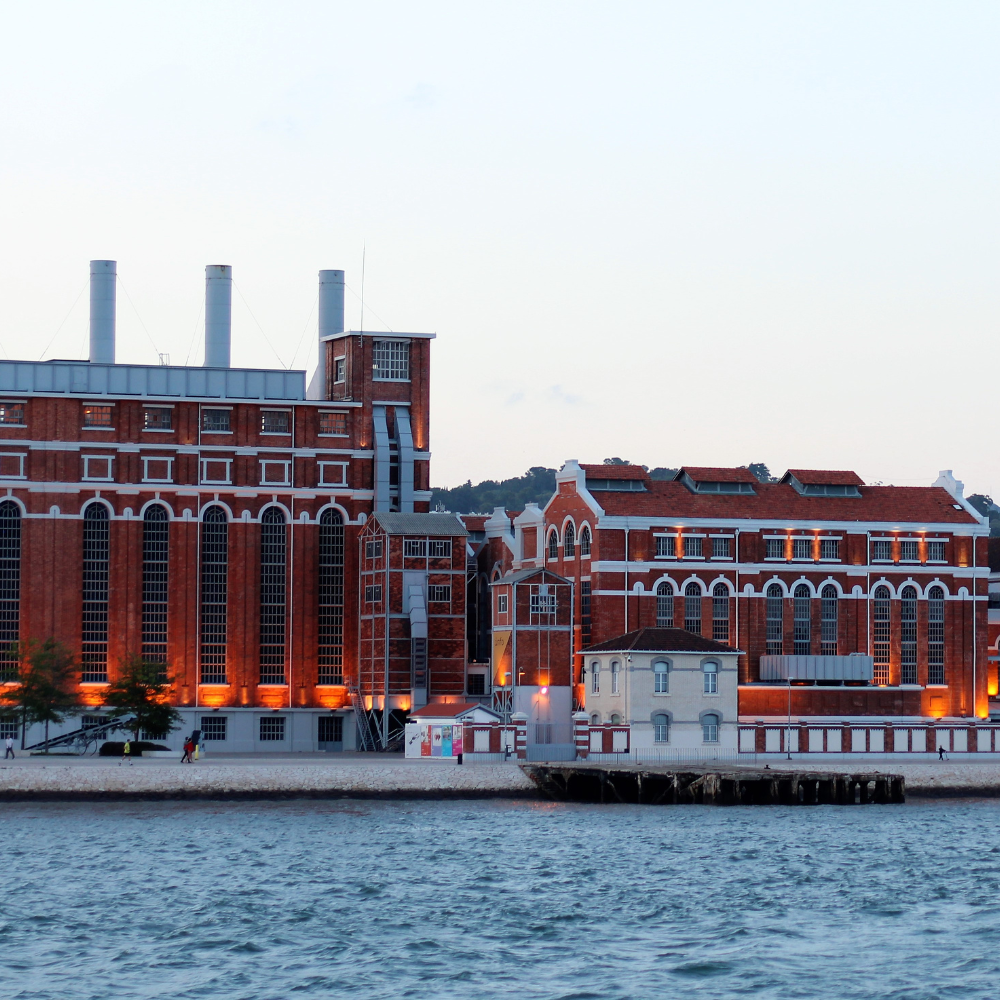
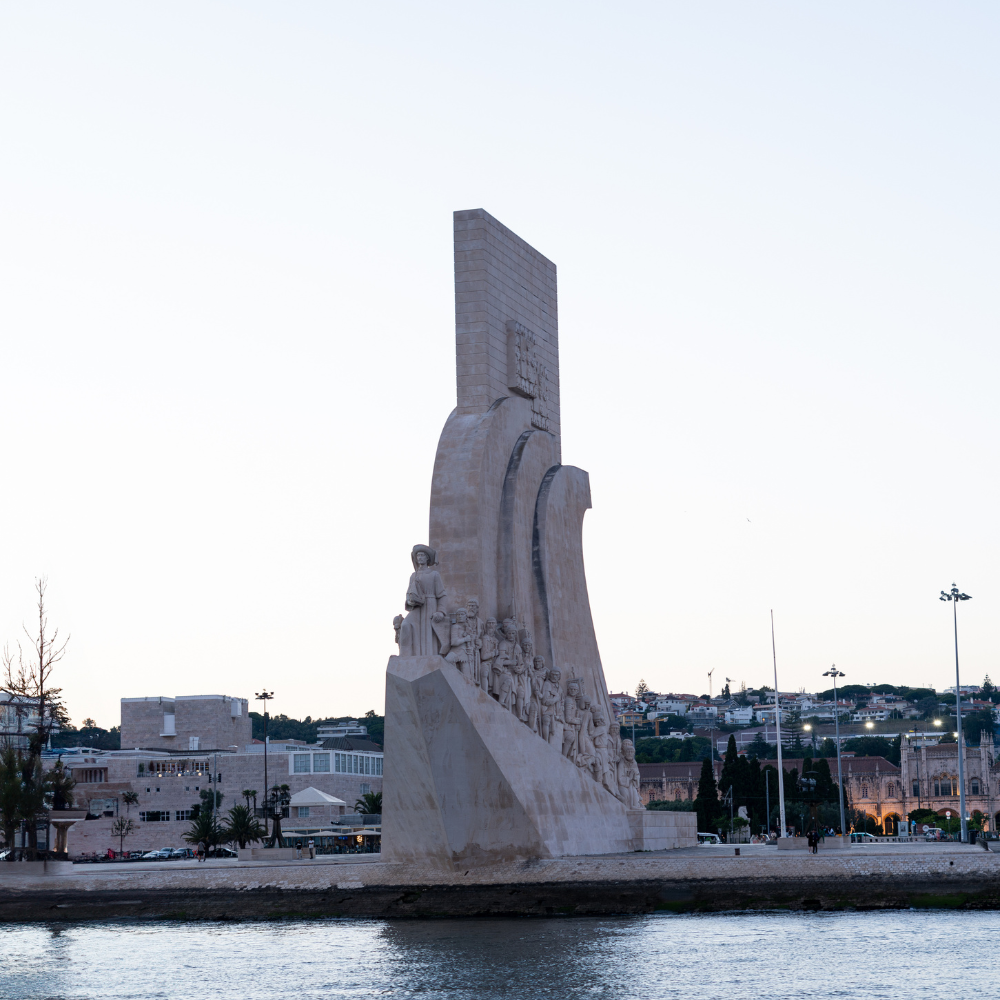
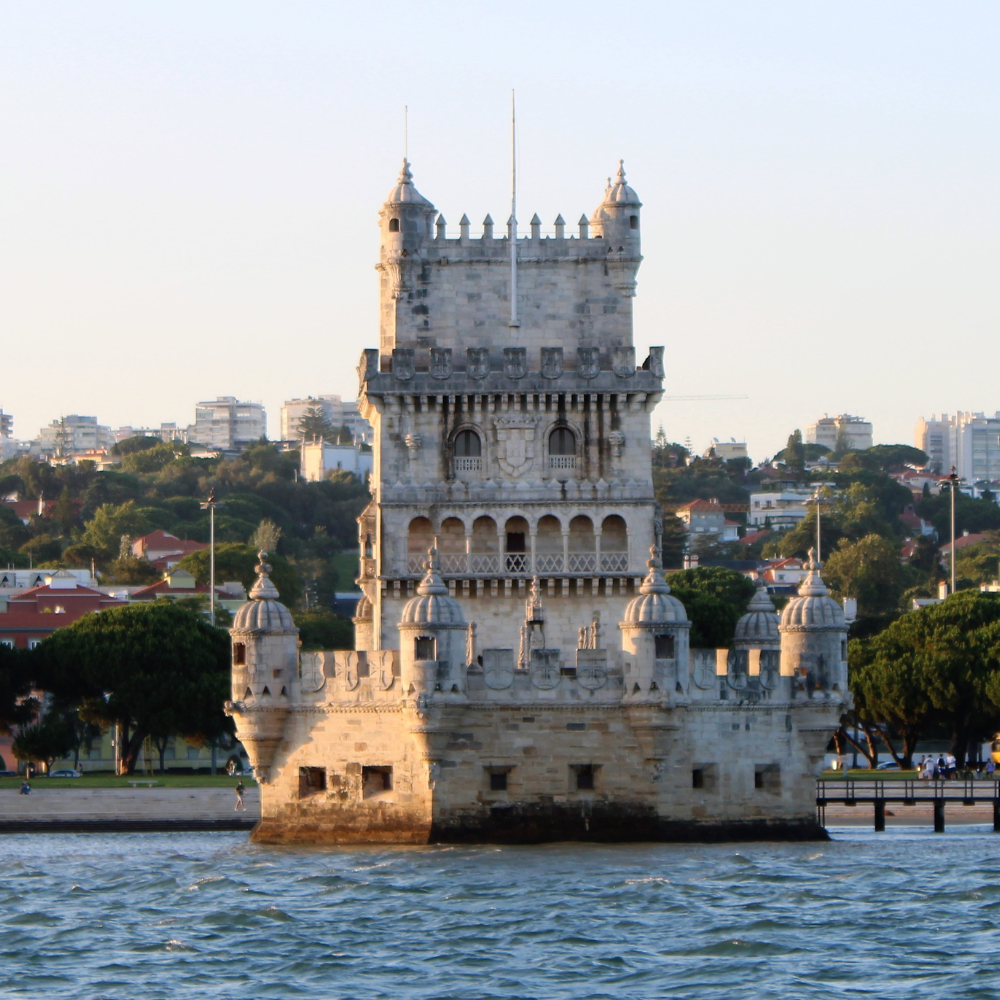
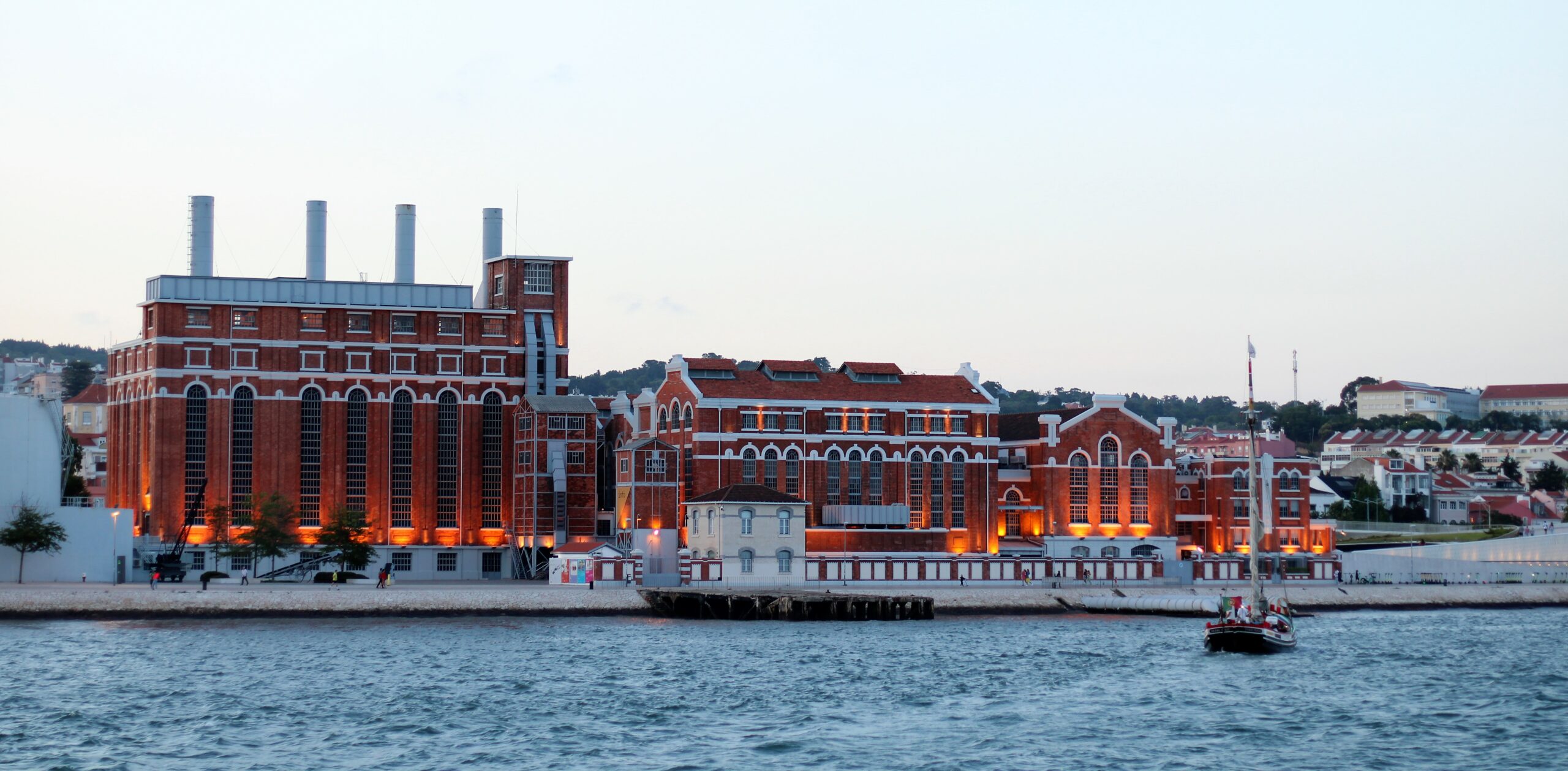
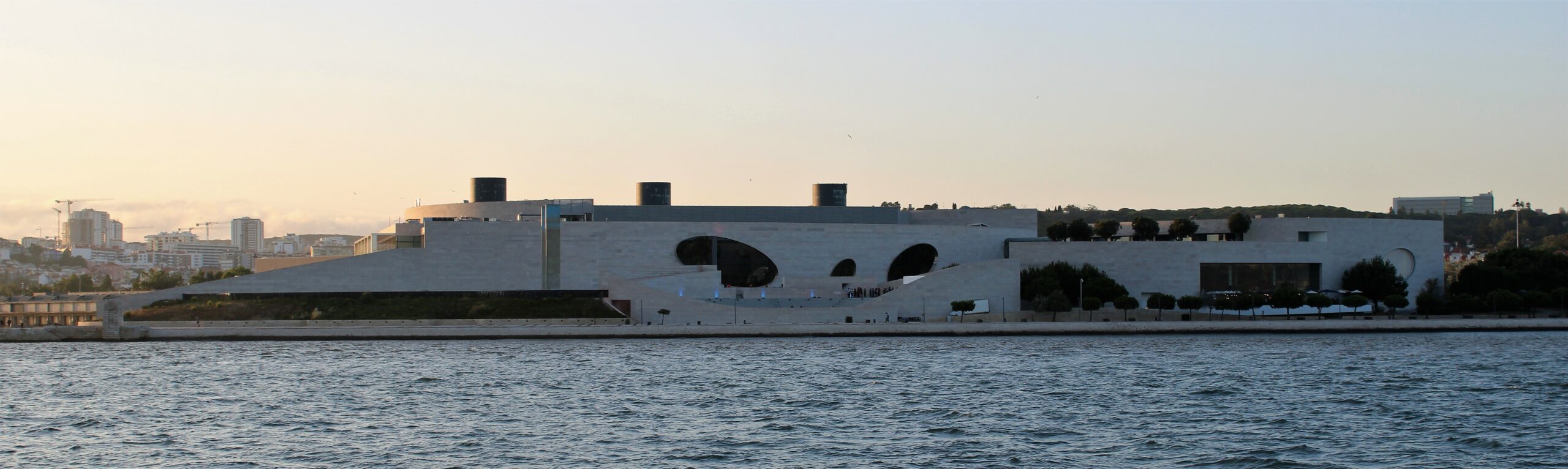
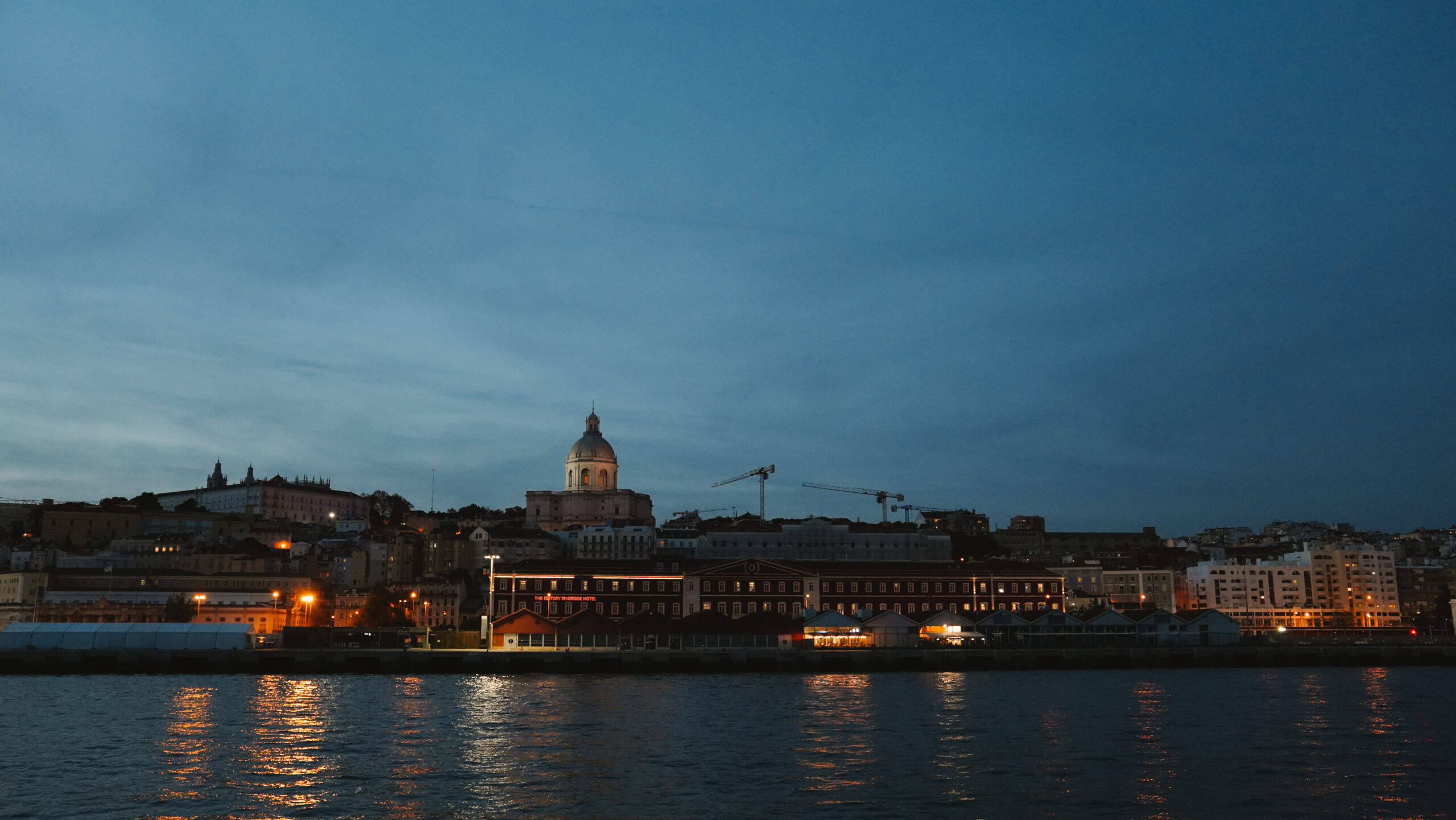
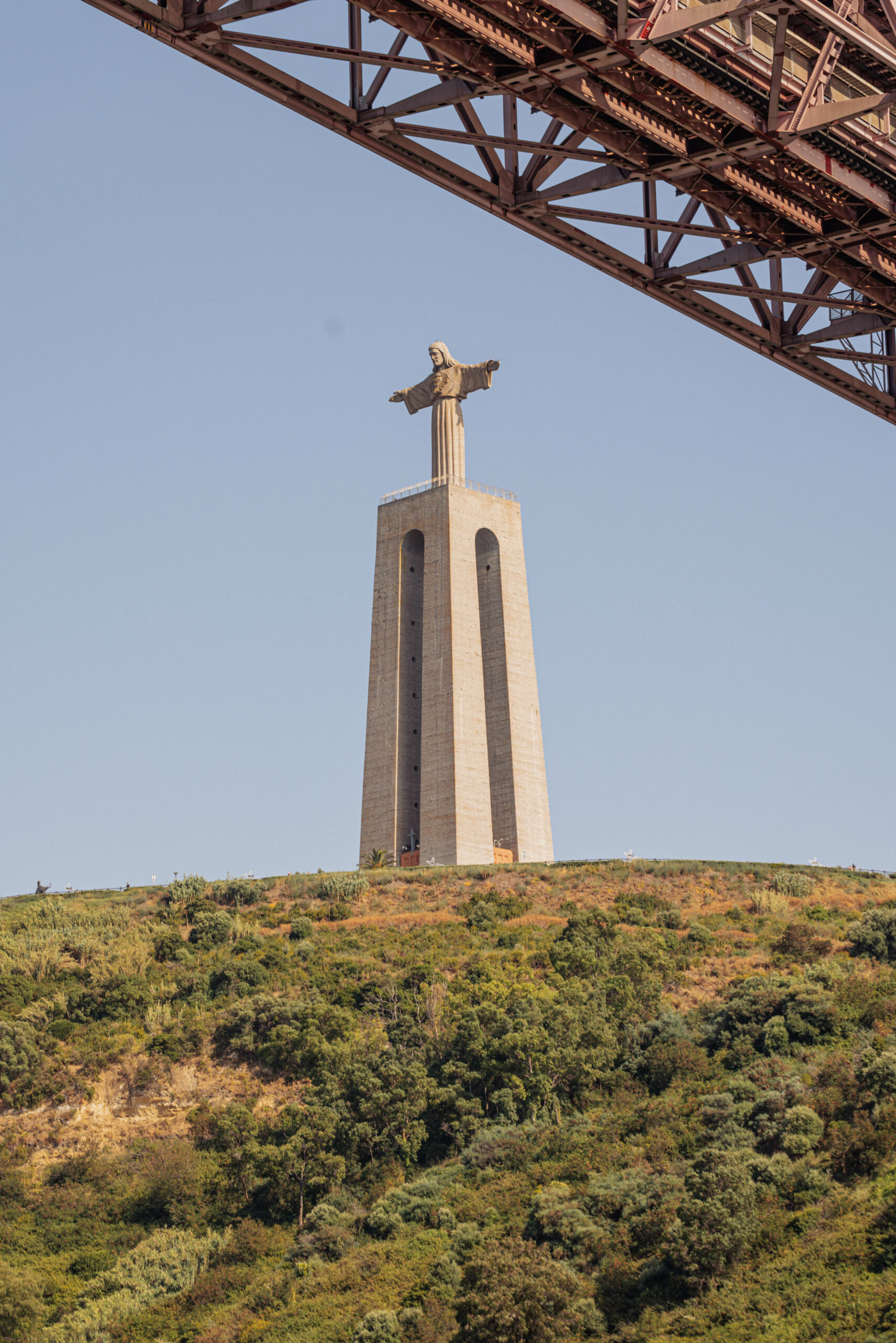
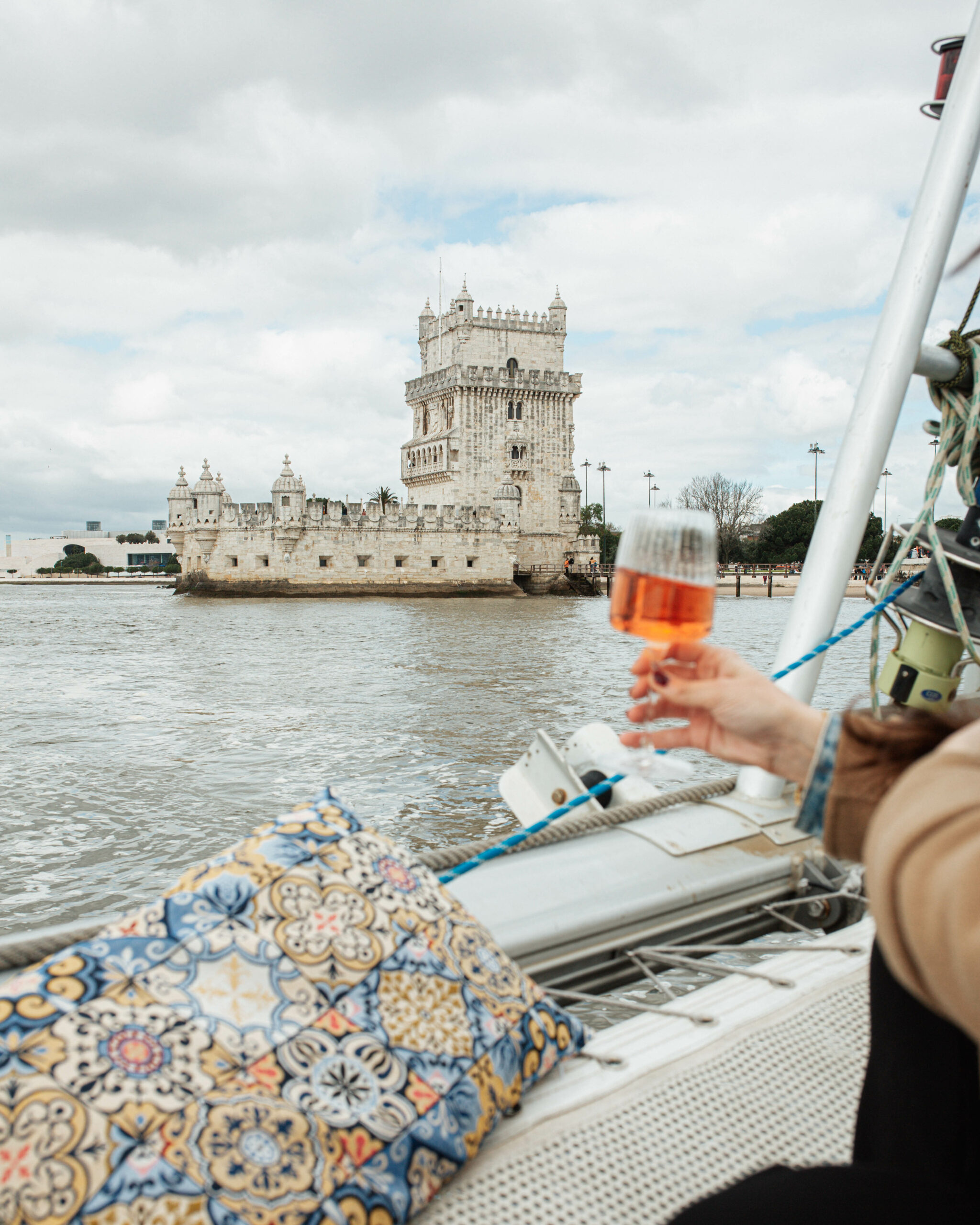
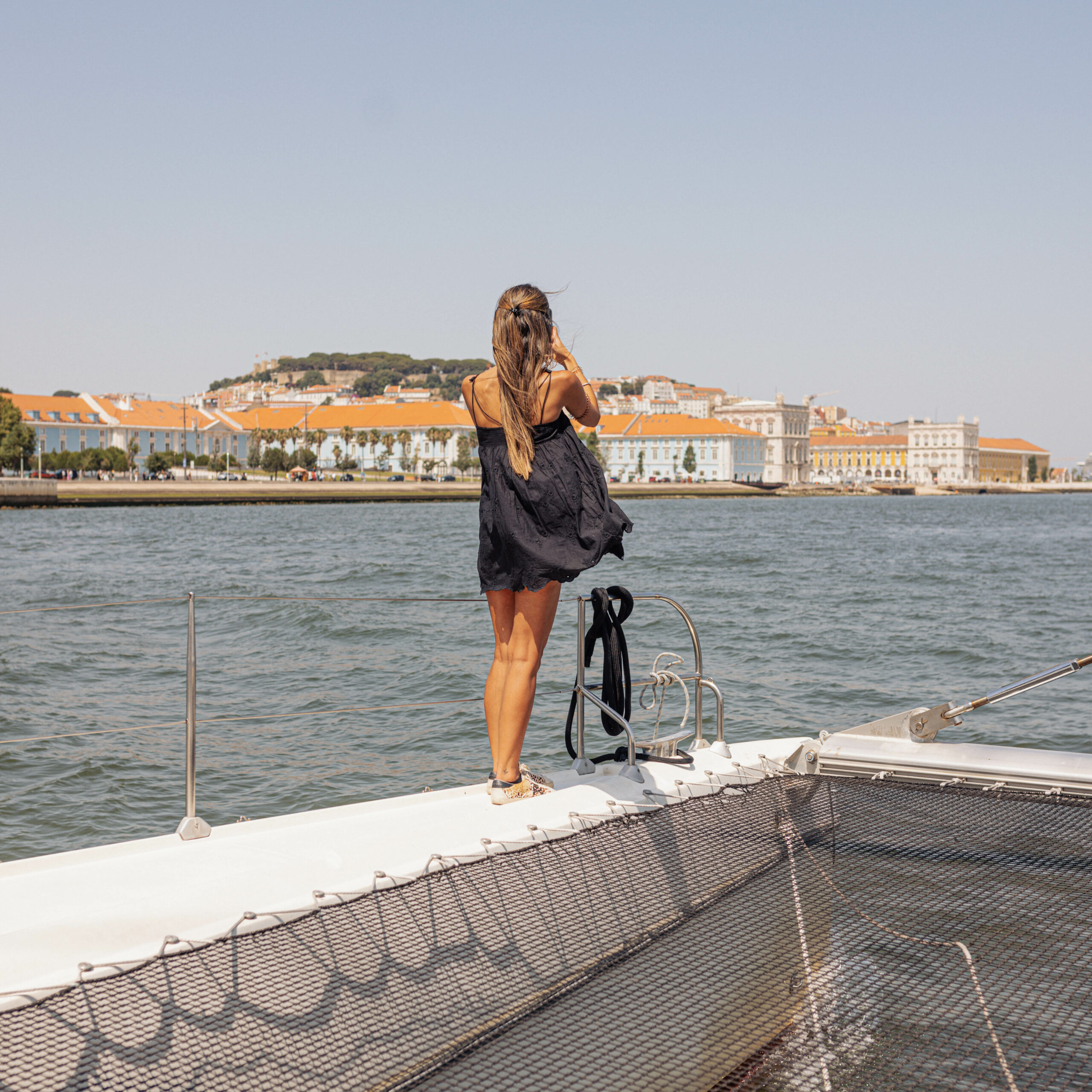
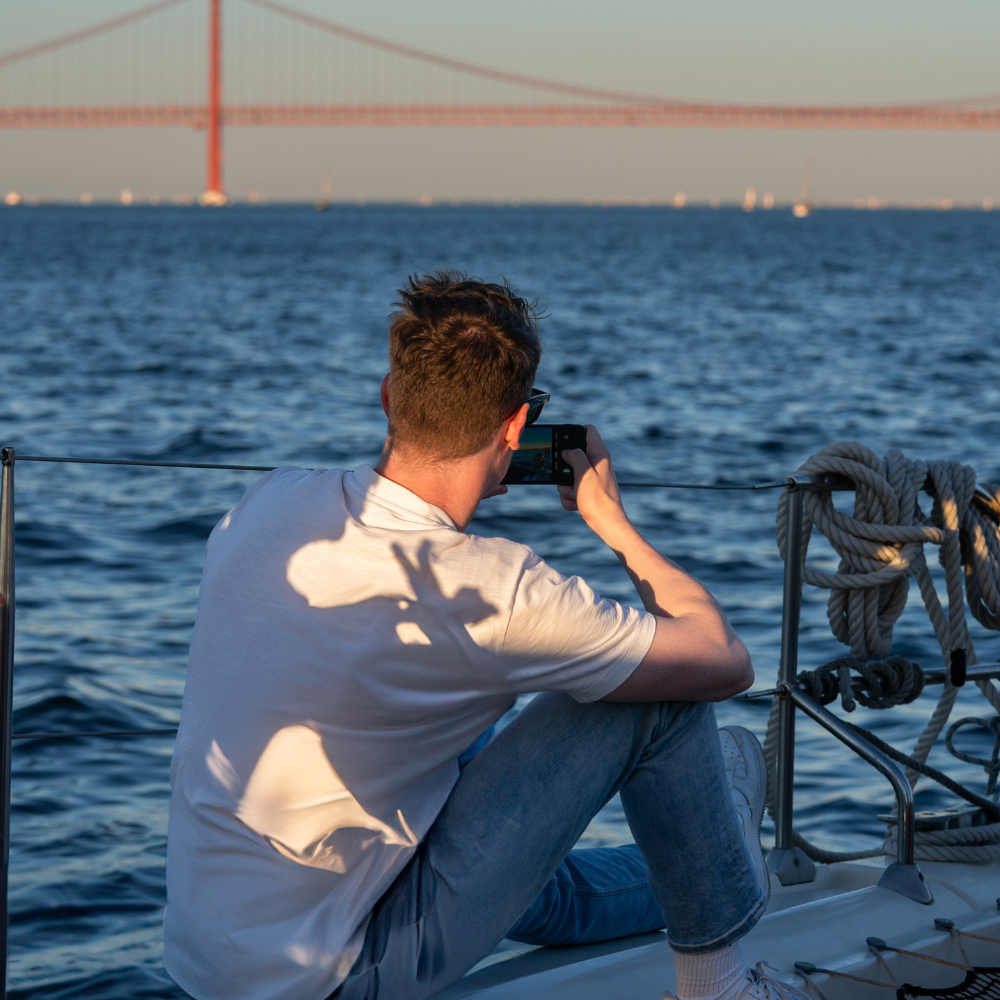
18:00 or 19:00, depending on the season. End the day on the river. With only one day in Lisbon, there is no need to force Belém in land form. Save that monumental side of the city for the Tagus at sunset, which gives you Lisbon front on. With Sardinha do Tejo, Barco EVORA passes Cais do Sodré, Ribeira das Naus, Praça do Comércio, Alfama, Cristo Rei, the 25 de Abril Bridge, Belém, Belém Tower, the Monument to the Discoveries, MAAT and the Electricity Museum. The catamaran follows a shorter and quieter route, with Cristo Rei, the 25 de Abril Bridge, Champalimaud Foundation, Belém Tower, the Monument to the Discoveries, Jerónimos Monastery, MAAT and the Electricity Museum. For a couple, or for anyone who wants a calm ending to the day, the catamaran makes more sense. For friends or groups, EVORA usually fits better.
2 Day Itinerary in Lisbon
With two days, it becomes possible to divide Lisbon into two clear blocks: the older side on one day, the more riverside and monumental side on the other. It is the minimum length at which the city starts to breathe. Several guides reach a similar conclusion: in two days you can see the great classics, as long as you do not force the route.
Day 1: old Lisbon, ending on the Tagus
09:00. Repeat the smart choice and begin in Graça or Senhora do Monte.
10:00. Campo de Santa Clara, and Feira da Ladra if it is Tuesday or Saturday.
11:30. São Vicente, Santa Luzia and Alfama on foot.
13:30. Lunch in Mouraria or São Vicente.
15:00. Chiado and Carmo, without wasting too much time in Baixa.
17:00. Walk down slowly to the riverside.
18:30 or 19:00. Sunset on the Tagus with Sardinha do Tejo. If you want a lighter, more romantic ending, choose the catamaran. If you want a looser and more festive atmosphere, choose EVORA.
Day 2: Estrela, Lapa, Ajuda and Belém
09:30. Swap Tram 28 for Tram 25. It is a better choice for anyone who wants to see elegant neighbourhoods that are less saturated. Tram 25 crosses Campo de Ourique, Estrela, Lapa, Santos, São Paulo, Cais do Sodré and Praça do Comércio, which makes it ideal for a second day that feels more urban and less predictable.
10:00. Stop at Estrela Basilica. The monument shapes the city’s skyline and, just in front of it, Estrela Garden works very well as a calm pause before more walking. The garden gets busy late in the day, but in the morning it is much lighter.
11:30. Walk down through Lapa to Santos. This area works better as a walk than as a checklist. Instead of collecting points on the map, enjoy the transition between residential Lisbon, river views and the waterfront.
13:00. Lunch in Santos, Lapa or Campo de Ourique. Here, it is usually smarter to choose a good side street than a famous address.
14:30. Head up to Ajuda. Ajuda National Palace is open from Thursday to Tuesday, from 10:00 to 18:00, and the average visit lasts around 1 hour and 45 minutes. For a 2 day itinerary, it fits far better than trying to squeeze in another museum in the centre. If your visit falls on a Wednesday, replace Ajuda with more time in Belém or at MAAT.
16:45. Walk down to Belém and spend the rest of the day in open mode: Jerónimos Monastery from outside or inside if you already have a ticket, the Monument to the Discoveries, the riverfront, Belém Tower from outside, and MAAT if it is not Tuesday. MAAT opens from Wednesday to Monday, from 10:00 to 19:00, so it makes an excellent last stop before heading back.
3 Day Itinerary in Lisbon
Three days is the point where Lisbon stops feeling like a list of things and starts feeling like a city. Many blogs use the third day for Sintra. Not here. Here, the third day is used to give space to the Lisbon that often gets left out: lived in neighbourhoods, changes of pace, good pauses and one last late afternoon on the Tagus.
Day 1: Graça, São Vicente, Alfama and Mouraria
09:00. Start at Senhora do Monte or Graça, so the day begins with a view and a sense of orientation.
10:00. Campo de Santa Clara, with Feira da Ladra if it is Tuesday or Saturday.
11:30. São Vicente, Santa Luzia and a longer walk through Alfama.
13:30. Lunch in Mouraria.
15:00. Continue through Mouraria without rushing. Go Ask A Local highlights this area and Largo da Severa as a strong way to understand the Lisbon of fado and tight streets without getting trapped in the most obvious route.
17:30. End the day in Graça or with an easy walk through Bairro Alto.
Day 2: Ajuda, Belém and the western riverside
09:30. Ajuda National Palace. Save close to two hours for it, because the official average visit is 1 hour and 45 minutes and it is worth doing properly.
11:45. Walk down to Belém.
12:15. Pass through Jerónimos Monastery and the monumental area with time to look, not only to take photos.
13:30. Lunch between Ajuda, Restelo or Junqueira, which is usually a more sensible choice than staying glued to the busier part of the waterfront.
15:00. Continue through the Monument to the Discoveries and the Belém Tower area.
17:00. End at MAAT if it is not Tuesday, or simply stay by the river watching the light change over the bridge and the water.
Day 3: Estrela, Lapa, Santos, Chiado and sunset on the Tagus
09:30. Use Tram 25 again, this time as the thread that ties the day together. It is one of the best ways to see Estrela, Lapa and Santos without falling into the cliché of taking Tram 28 simply because everyone else does.
10:00. Estrela Basilica and Estrela Garden. This pairing works especially well on the last day because it brings together monument, shade, neighbourhood and pause.
11:30. Walk through Lapa towards Santos. Here Lisbon is already in a different register, more residential and less performative.
13:00. Lunch in Santos or Campo de Ourique.
14:30. Continue to Chiado and then Príncipe Real. Major international guides almost always keep Chiado and Bairro Alto in their own block, and Go Ask A Local identifies Príncipe Real as one of the best neighbourhoods for an easy walk, good cafés and a strong late afternoon mood. That is exactly what makes sense here.
17:30. Walk down through São Pedro de Alcântara, Bica or São Paulo towards the river.
18:30 or 19:00. End with the Sardinha do Tejo sunset cruise. In a 3 day stay, this ending stops being just beautiful and starts doing something more useful: it helps organise the city in your head. After walking hills, neighbourhoods and viewpoints, you see everything from the right side. The Tagus gives Lisbon its scale back. This is also where the difference between the two cruises becomes most meaningful: the catamaran for people who want a calm ending, EVORA for people who want to finish on a higher note.
Which of these itineraries makes more sense for you?
If you only have one day, do not try to see everything. See old Lisbon in the morning, a good neighbourhood in the afternoon, and leave Belém for the river. If you have two days, use the second one for Estrela, Ajuda and Belém, and the city already starts to make sense. If you have three, Lisbon rewards you even more once you stop hunting points on a map and start moving through coherent blocks. That is when the city stops looking like a postcard and starts feeling real.
To develop this theme further within the Sardinha do Tejo site, the most natural internal links are Boat Tours in Lisbon, Sunset Catamaran in Lisbon, Sunset on Barco EVORA and About Us. Before you leave the house, it is also worth checking the official opening times of Ajuda National Palace and MAAT, because they are two excellent stops in these itineraries, but they do depend on the day of the week.